
Functions of Bus Mobile Toilets
Bus mobile toilets offer a variety of functions, covering basic toilet use, intelligence, humanization, efficient operation, and environmental protection.
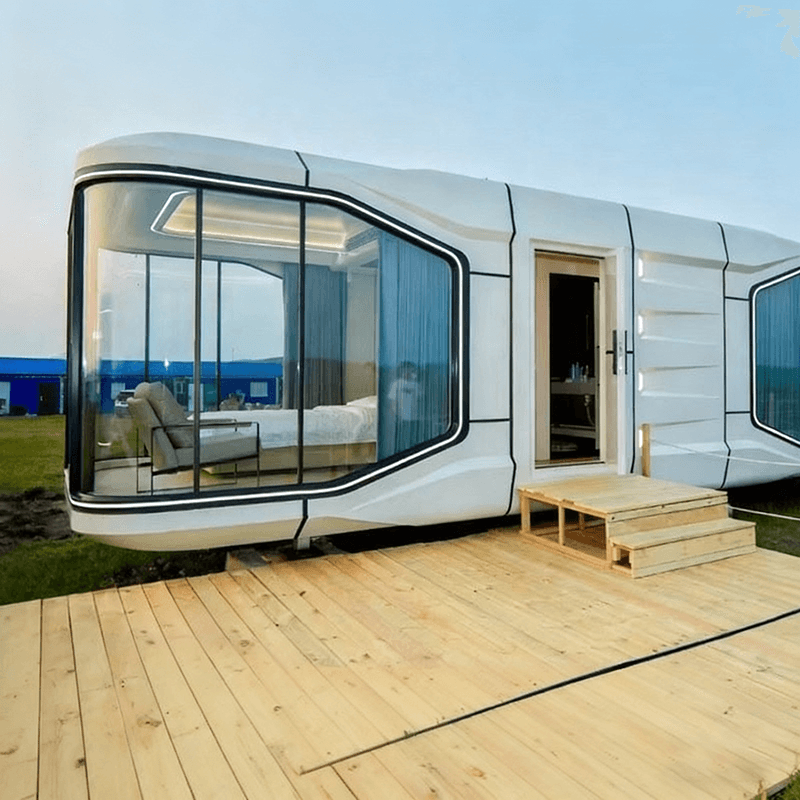
Basic Toilet Functions: The interior configuration of bus mobile toilets is similar to that of ordinary toilets, featuring a water-flushing toilet design that can accommodate multiple users simultaneously. For example, a coach-style mobile toilet can accommodate up to 7 people at once, effectively alleviating toilet pressure in public places and improving usage efficiency.
Intelligent Equipment: The vehicle body integrates exhaust, lighting, water supply, and temperature control systems to ensure a comfortable internal environment. Essential facilities such as coat hooks, storage shelves, handrails, and USB charging ports are well-equipped to meet diverse user needs. Some models are equipped with GPS positioning systems, allowing users to quickly locate toilet positions through mobile apps or map navigation. The intelligent integration system can monitor foot traffic, temperature, water and electricity usage, and toilet availability in real-time, providing data support for operation and management. It also features functions such as voice reminders for forgotten items and automatic flushing upon door opening, enhancing user convenience.
Humanized Functions: Details such as automatic sensor flushers, safety handrails, one-touch emergency buttons, and deodorizing and fragrance-emitting devices enhance usage safety and comfort. Disposable toilet seat covers and disinfectants ensure hygiene conditions. The provision of a third toilet offers convenience for special groups, including a foldable baby changing table, child-specific toilets, child seats, and adult folding seats to meet family care needs. Elderly and child-friendly facilities such as canes and wheelchairs, along with barrier-free design, reflect care for the elderly and those with mobility impairments. Hot water handwashing and high-low handwashing stations further optimize the user experience.
Efficient Operation Functions: Bus mobile toilets are operated by a single driver, with a short time required from transportation to deployment. They can be quickly relocated to demand points and dynamically adjusted according to foot traffic density to ensure continuous resource availability, adapting to sudden or temporary demand scenarios.
Environmental Protection Functions: Some models adopt water-saving technologies (such as vacuum suction flushing) or biodegradation treatment systems to reduce sewage discharge and odor generation, minimizing interference with the surrounding environment and aligning with green environmental protection concepts.



