
Bus Mobile Public Toilet
A bus mobile public toilet is a portable toilet facility modified from a bus, suitable for various public places such as stations, docks, and tourist attractions.
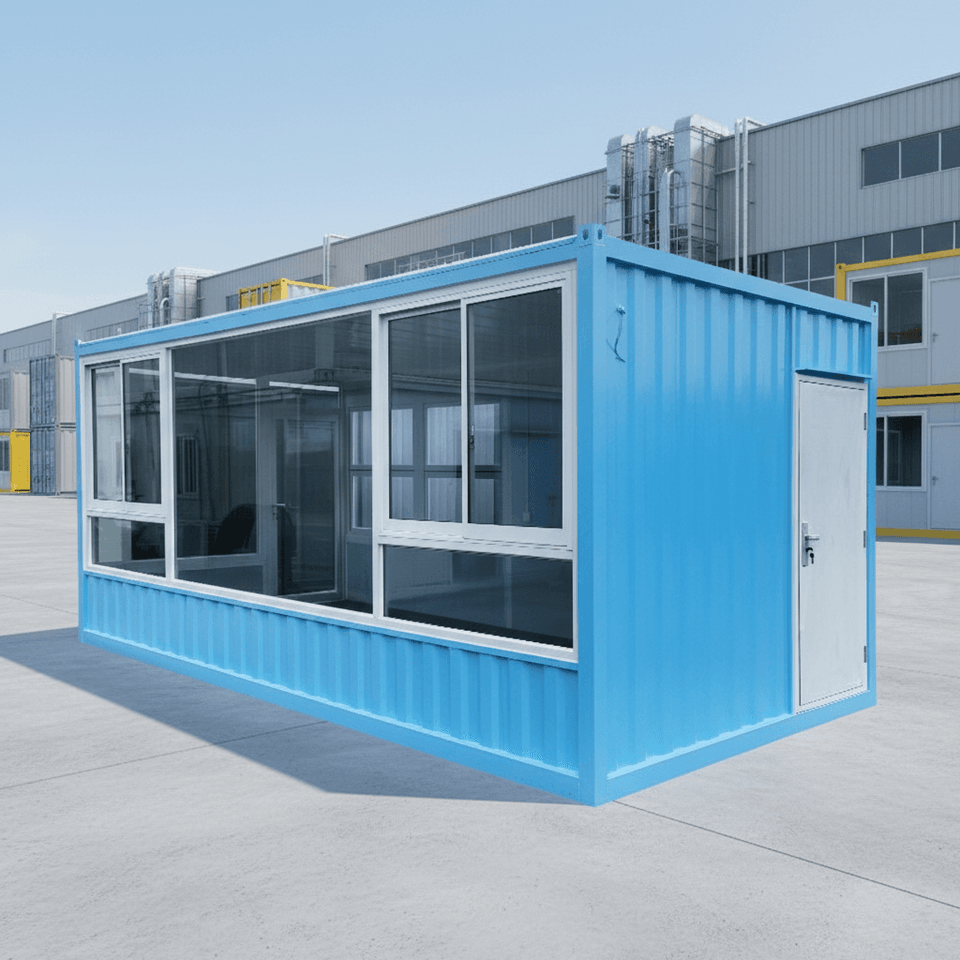
Material and Structural Characteristics
The materials used in bus mobile public toilets have evolved from wood to new materials such as fiberglass and polyethylene. Fiberglass and polyethylene are corrosion-resistant, lightweight, and easy to clean, making them more suitable for public facilities. Their structural forms are divided into two categories: monolithic structures and composite structures. Monolithic structures are typically independent units, facilitating rapid deployment; composite structures are composed of multiple functional modules, offering high scalability. Based on mobility, they can be classified as hoisting and handling types and powered and towed types. The former relies on external equipment (such as cranes) for position adjustment, while the latter is equipped with a power system or towing device, enabling autonomous movement or transfer via vehicle traction, providing greater flexibility.
Sewage Treatment Methods
According to technological differences, the sewage treatment methods for bus mobile public toilets are divided into the following three categories:
- Water-flush and waterless suction types: Water-flush types complete flushing through water tank supply, with sewage requiring regular pumping and treatment; waterless types use vacuum suction or chemical degradation technology to reduce water consumption but require dedicated collection containers.
- Recirculating water-flush type: This method purifies sewage through biological degradation or physical filtration technology, enabling water resource recycling, suitable for water-scarce areas or long-term fixed use scenarios.
- Dry packing type: Feces and urine are directly packed with special materials (such as biodegradable plastic bags), eliminating the need for flushing. After treatment, they can be recycled as organic fertilizer, highlighting environmental friendliness.
Advantages and Application Scenarios
The core advantages of bus mobile public toilets lie in their mobility and reusability. Their modular design allows for rapid assembly and disassembly, enabling flexible layout adjustments based on foot traffic changes, particularly suitable for temporary events (such as music festivals, sports events) or densely populated areas with weak infrastructure (such as large construction sites, disaster areas). Additionally, their transportation costs are lower than those of traditional fixed toilets, and they have lower ground condition requirements, eliminating the need for complex construction.
Market Brands and Prices
Currently, mainstream brands in the market include Kelaiya, Yushijie, and Xiamen Golden Dragon. Kelaiya's products are mostly priced at 1,800 yuan per set, targeting the economic market; Yushijie's brand is priced at 157,000 yuan per unit, offering more comprehensive functions; Xiamen Golden Dragon's high-end vehicle-mounted mobile toilets cost 800,000 to 900,000 yuan per vehicle, integrating environmental protection technology and intelligent management systems, suitable for large international events. Price differences primarily stem from material selection, sewage treatment technology, and the configuration of additional features (such as air conditioning and deodorization systems).



