
Volver al blog
Artículo
Build Your Own Container Mobile House
Admin 15 de septiembre de 2026
Building your own container mobile house requires comprehensive consideration of factors such as purchase, design, construction, and maintenance. Reasonable planning and strict adherence to technical standards are essential to ensure the safety, durability, and functionality of the house.
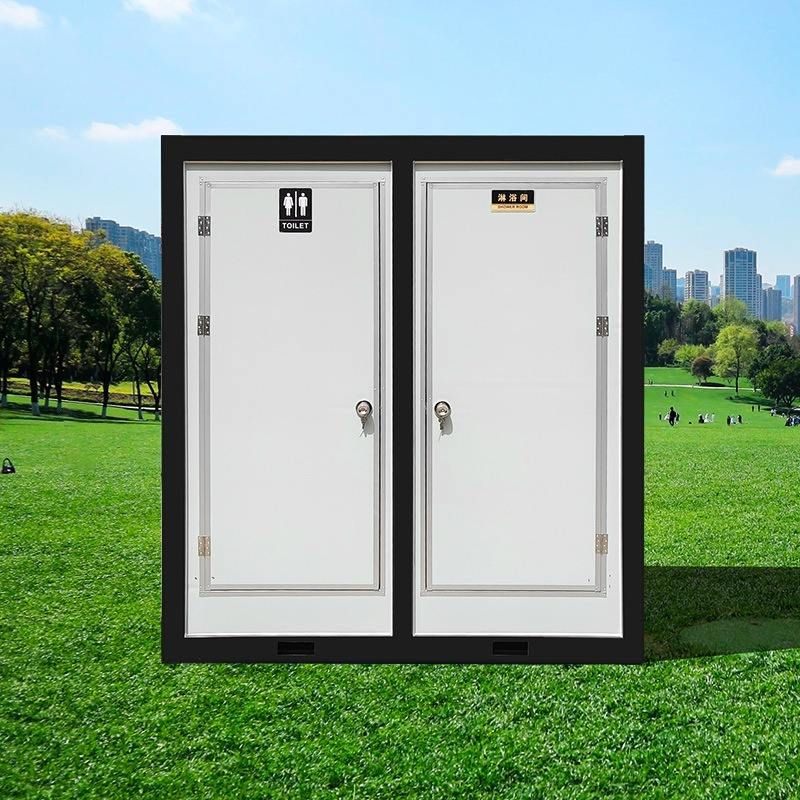
I. Purchase Phase
Choose the structural type based on the usage scenario:
- Welded Integral Container: Factory-welded as a whole, with a direct load path and strong resistance to deformation, suitable for scenarios requiring frequent lifting and moving (such as temporary housing on construction sites).
- Bolt-Connected Modular Container: Composed of standard panels connected by bolts, with a focus on checking the steel wall thickness of columns and bottom beams (common specifications range from 1.5 to 3 millimeters). Thicker walls provide greater load-bearing redundancy but also increase the self-weight.
II. Design and Construction Phase
- Structural Design: Follow the principle of "load transfer path" to ensure that roof loads are transferred through side wall columns to the bottom beams and then evenly distributed to the ground. If using a multi-story stacked combination, reinforce the corners with steel frames and construct concrete piers at the bottom to enhance wind and earthquake resistance.
- Foundation Treatment: The container should be elevated on pile foundations to avoid direct contact with the ground for moisture and insect prevention, while ensuring site flatness to prevent later tilting.
- Waterproof Sealing: Use glass curtain wall waterproof sealant for sealing around doors and windows, container body joints, and roof gutters, and replace it regularly (every 5-7 years); clean leaves from the roof and prohibit water accumulation to prevent steel plate corrosion.
- Insulation and Lighting: Install internal insulation layers on walls and roofs, and choose triple-glazed windows to enhance thermal insulation performance; installing large floor-to-ceiling windows, roof skylights, or glass partitions can improve indoor lighting.
III. Maintenance Phase
- Rust Prevention: All cut and welded edges must be polished and coated with epoxy primer + topcoat; inspect welds, corners, and bottom areas annually, and immediately polish and repaint any rust spots found; determine the repainting cycle based on environmental humidity (8-12 years in inland dry areas, 7-10 years in southern humid areas, and 3-5 years in coastal areas).
- Regular Inspection: Check the sealing of doors and windows, the safety of electrical wiring, and the structural stability, and replace aging components in a timely manner.
Relacionados



