
Materials of Box-Type Portable Toilets
The materials of box-type portable toilets vary depending on their type and design. Common materials include steel, color-steel sandwich panels, aluminum or fiberglass-reinforced plastic (FRP), high-pressure laminate (HPL) or PVC扣板 (PVC trim panels), aluminum alloy or plastic-steel, etc. Details are as follows:
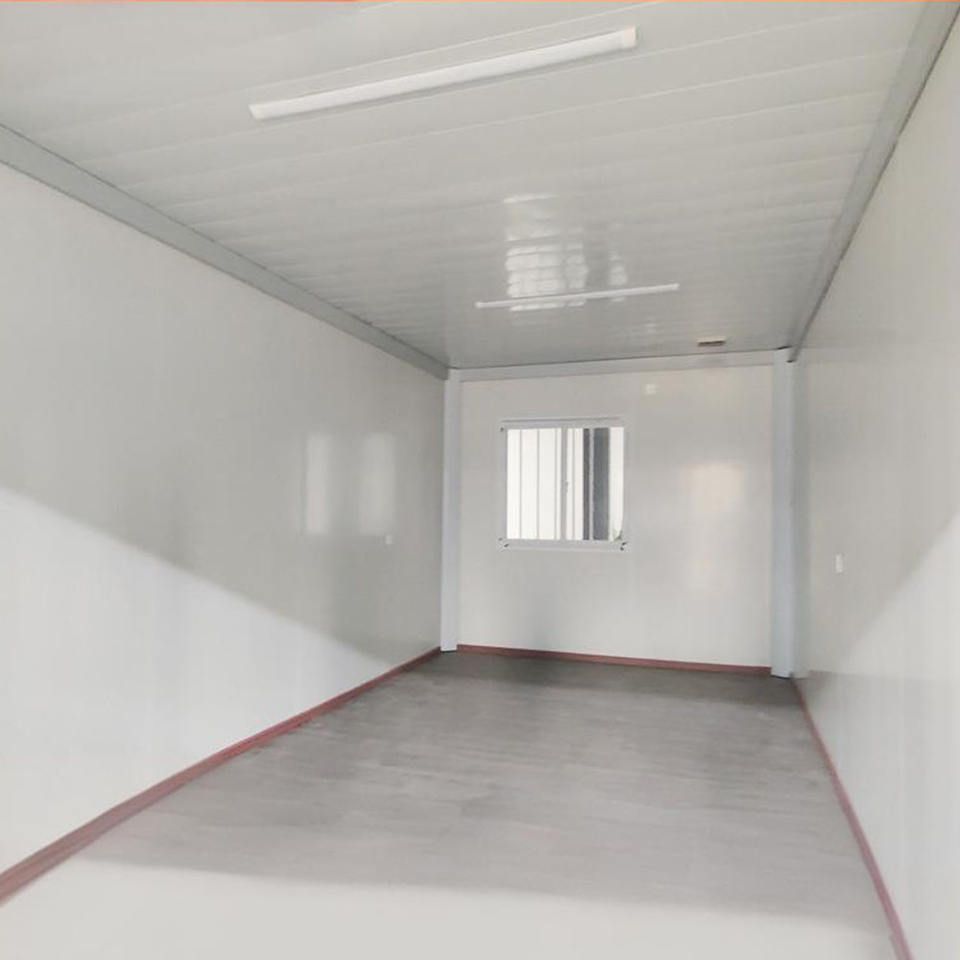
Main Structure Materials
The main frame of box-type portable toilets is typically made of hot-rolled or cold-formed Q235B or Q345B grade steel, with wall thicknesses ranging from 1.5mm to 3.0mm. This type of steel offers high strength and durability, enabling it to withstand external forces during transportation, installation, and use. Some eco-friendly portable toilets opt for galvanized steel structures, which enhance corrosion resistance through galvanization, extending service life, especially in humid or rainy environments.Wall and Roof Materials
The mainstream material is color-steel sandwich panels, consisting of two layers of colored coated steel sheets (thickness 0.4mm-0.6mm) with insulation material sandwiched in between. Depending on the usage scenario, the sandwich material can be categorized into three types:
- Polyurethane (PU): Low thermal conductivity, excellent insulation performance, suitable for cold regions;
- Rock wool: High fire rating (up to Class A non-combustible), heat-resistant, suitable for public places or environments with strict fire safety requirements;
- Polystyrene (EPS): Lower cost but weaker fire resistance, mostly used in temporary or low-risk settings.
- Floor Materials
Floor design must balance slip resistance, corrosion resistance, and ease of cleaning. Common practices include:
- Slip-resistant patterned aluminum sheets: Thickness 2.0mm-3.0mm, with embossed surfaces to enhance friction and prevent slipping;
- Fiberglass-reinforced plastic (FRP) floors: Lightweight and strong, resistant to chemical corrosion, suitable for chemical or coastal areas;
- SMC composite material chassis: Used in high-end products, molded as a single piece without seams, offering excellent waterproof performance and easy maintenance.
Additionally, some eco-friendly toilets use reinforced concrete bases to further enhance structural stability.
- Interior Wall and Partition Materials
Interior walls and partitions must meet requirements for water resistance, impact resistance, and ease of cleaning. Common materials include:
- High-pressure laminate (HPL): Made by high-pressure lamination, thickness 6mm-12mm, with a dense, pore-free surface that resists moisture, scratches, and chemical corrosion;
- PVC trim panels: Lower cost, easy to install, fixed with clips, suitable for temporary projects with limited budgets.
- Door Panel Materials
Door panel design must balance light transmission and privacy. Common combinations include:
- Aluminum alloy frame + acrylic/tempered glass core: The aluminum alloy frame is lightweight and corrosion-resistant, while the acrylic or tempered glass provides light transmission and privacy protection;
- Plastic-steel material: Primarily composed of PVC resin with stabilizers and fillers added, lower cost but slightly inferior weather resistance compared to aluminum alloy.
- Other Materials
Some simple box-type toilets may use metal or plastic shells, with a rectangular cuboid structure and basic sanitary facilities (such as toilets and sinks) installed inside, suitable for temporary events or emergency scenarios.



