
Biomass Mobile Toilet
Biomass mobile toilets generally refer to mobile toilets that utilize biotechnology to treat excrement. Common types include microbial degradation mobile toilets or biodegradation mobile toilets, which reduce environmental pollution by decomposing excrement through microorganisms or enzymes, offering advantages such as environmental protection and convenience.
Core Principles and Structure
The core component of a microbial degradation mobile toilet is the fermentation degradation tank, filled with microbial strains and carriers. Excrement is thoroughly mixed with the strain filler through mechanical transmission devices (such as intermittent forward and reverse transmission). Under the regulation of a constant temperature and humidity control device, microorganisms decompose the excrement into compliant gases such as carbon dioxide and water, which are then expelled through exhaust pipes and fans. Biodegradation mobile toilets rely on specific microbial communities within the degradation chamber to convert organic matter into carbon dioxide, water, and a small amount of biomass under suitable temperature and humidity conditions. Some models are equipped with urine separation devices to further optimize treatment efficiency.
Types and Functional Differences
- Microbial Degradation Type: Mechanical stirring is used to promote contact between the microbial strains and excrement, emphasizing the controllability of the degradation process, making it suitable for high-frequency usage scenarios. Its electrical PLC constant temperature and humidity control device can precisely adjust environmental parameters to ensure microbial activity.
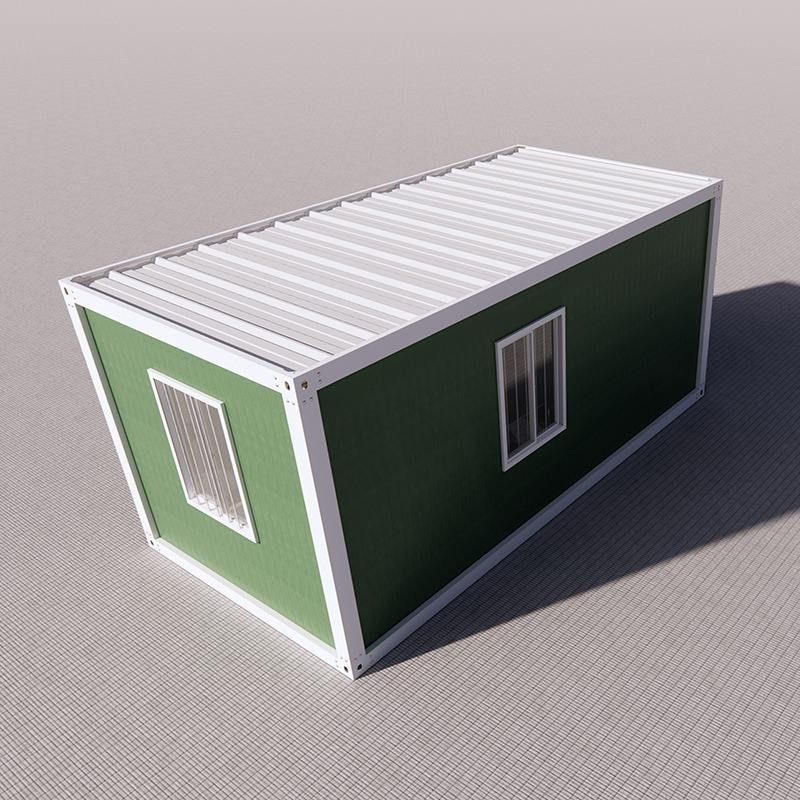
- Biodegradation Type: More emphasis is placed on the natural decomposition process, with a simplified degradation chamber design that relies on the self-regulation ability of microbial communities. The outer shell is often made of renewable materials (such as plastic or metal), with integrated basic modules such as toilets and ventilation systems inside, making it suitable for low-maintenance requirement scenarios.
Application Scenarios and Advantages
Both types of toilets do not require connection to a sewer system and are suitable for outdoor activities (such as music festivals, camping), temporary venues (such as post-disaster reconstruction areas, construction sites), or areas with limited resources (such as remote scenic spots). Their core advantages include:
- Environmental Protection and Energy Conservation: Reducing water consumption and avoiding chemical pollution from traditional toilets;
- Water-Free Flushing and No Need for Excrement Removal: Excrement is degraded on-site, reducing transportation costs;
- Pollution-Free Discharge: The final products are harmless gases and a small amount of biomass, meeting ecological cycle requirements.
Technical Limitations
The microbial degradation effect is significantly influenced by temperature and humidity, requiring auxiliary heating or moisture retention measures in extreme environments; the biodegradation type has high requirements for the adaptability of microbial strains, necessitating regular supplementation or replacement of microbial communities to maintain efficiency.



