
Binhai Container Renovation House
Binhai container renovation houses are formed by using retired containers as basic materials, through structural reinforcement, functional transformation, and appearance beautification, creating movable and recyclable modular buildings. They are widely applied in cultural tourism, commercial, residential, and temporary engineering scenarios in coastal areas.
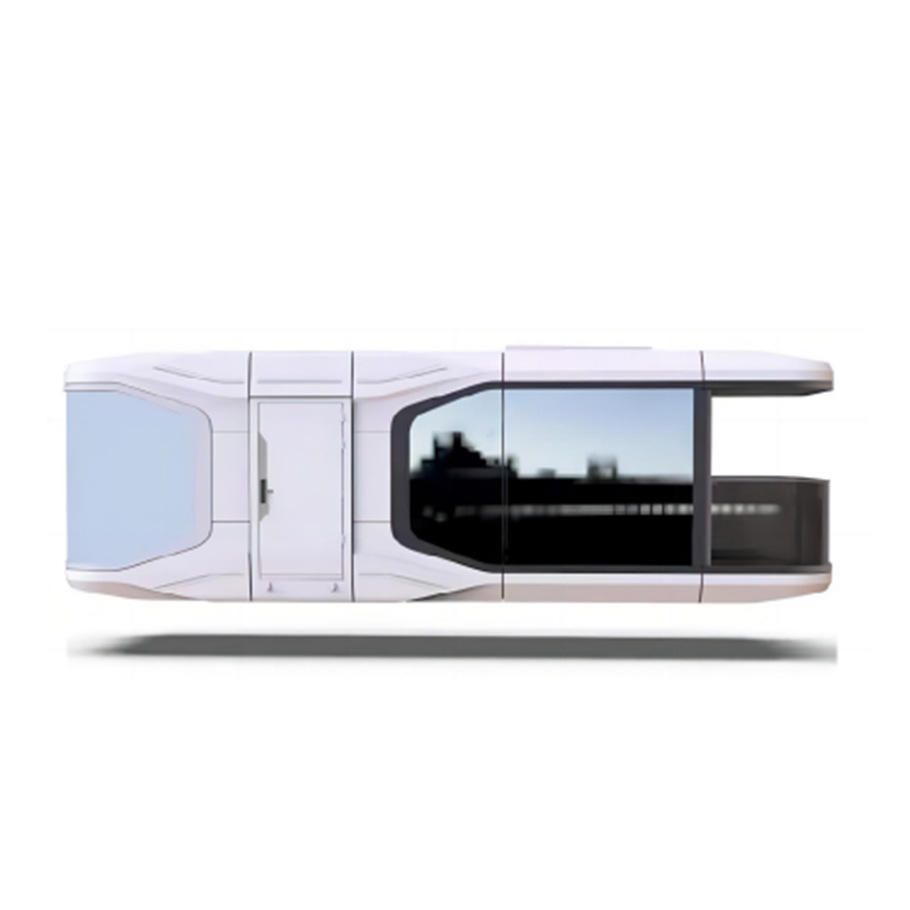
I. Core Advantages and Characteristics
Environmental Recyclability
Container renovation houses use retired containers as raw materials, reducing construction waste emissions. Under standardized use, top-tier products can be disassembled and reused an average of more than 8 times, with construction waste emissions reduced by about 90% compared to traditional fixed temporary buildings, aligning with circular economy and green construction policies. For example, products from Tianjin Baorongda Container Service Co., Ltd. use standard shipping containers with steel structural bodies that are rainproof, sun-proof, and theft-proof, with a service life of over 20 years and can be relocated as a whole.Rapid Deployment and Flexibility
Modular design supports rapid construction, with construction periods shortened by about 60% compared to traditional buildings. The houses are movable and expandable, suitable for diverse scenarios such as eco-campsites, characteristic homestays, and temporary offices in industrial parks in the Binhai New Area. For example, products from Tianjin Longsheng Container Activity Room Co., Ltd. are commonly seen in construction site dormitories and can also be transformed into offices, conference rooms, and even kitchens.Structural Safety and Residential Performance
The container body structure must comply with the national 'Steel Structure Design Code' and meet seismic and wind resistance requirements through reinforcement design. Internally, insulation materials such as polyurethane and rock wool are used, along with waterproof, moisture-proof, and soundproofing processes, achieving residential comfort close to civil building standards. For example, the 'Quick-Exhibition Folding Container House' patented technology from Tianjin Huapai Container Manufacturing Co., Ltd. improves structural stability and disassembly efficiency.
II. Application Scenarios in Coastal Areas
Cultural Tourism Homestays
Coastal container homestays create low-carbon tourism spaces through personalized exterior designs (such as wooden veneers and low-radiation glass curtain walls) and ecological integration (such as rooftop solar panels and rainwater recycling systems). For example, a coastal homestay project uses an elevated container base design to promote air circulation, combined with local plants to form a natural sound barrier.Commercial Facilities
Creative commercial spaces such as container-renovated cafes and bookstores leverage modular assembly and rapid loading/unloading advantages to revitalize idle coastal land. For example, Tianjin Baorongda provides mechanically quick-loading/unloading container activity rooms for industrial parks, saving time and labor costs.Temporary Engineering Buildings
In urban renewal projects in the Binhai New Area, container houses serve as temporary offices, elderly care service centers, and construction dormitories, meeting the needs for rapid construction and recycling. For example, in the renovation project of the Dagang Street Yingbin Street area, container houses were used for the temporary functional replacement of the south and north buildings.



