
Benxi Prefabricated Integrated Housing
Benxi prefabricated integrated housing is a modular building form where building components are prefabricated in factories and assembled on-site. It offers advantages such as high efficiency, environmental friendliness, and flexibility, but also has drawbacks like high initial investment and strong technical dependence. It is suitable for various fields including residential, commercial, and public facilities.
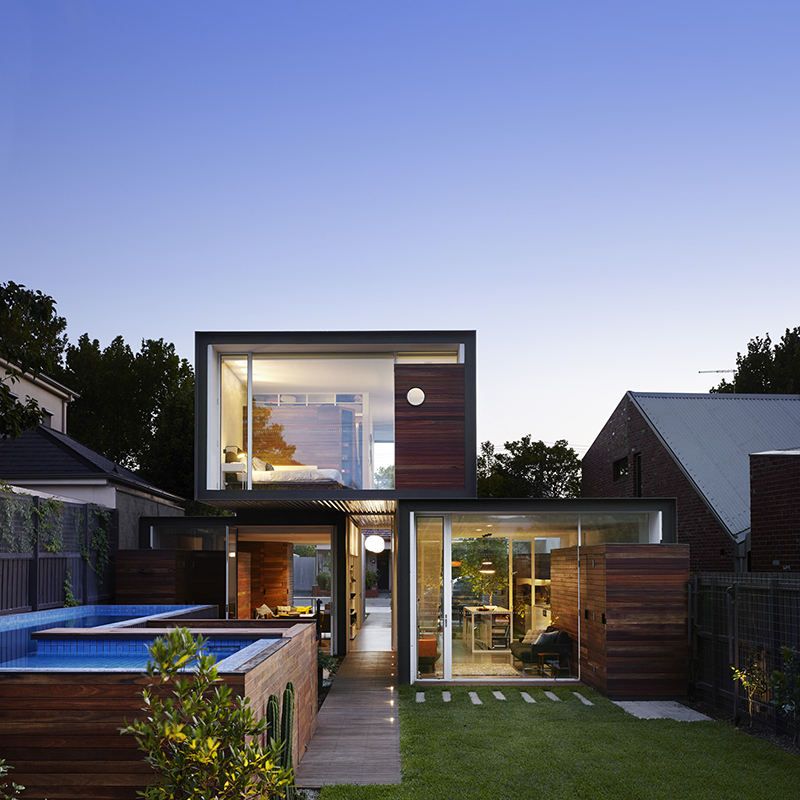
Building Form and Characteristics
Benxi prefabricated integrated housing prefabricates components such as walls, roofs, and floors in factories and enables rapid assembly through modular design. Its core characteristics include:
- Efficient Construction: Standardized factory production reduces on-site work volume, shortening the construction period by more than 50% compared to traditional buildings.
- Lightweight Materials: Using steel structures and composite materials, it is lightweight and has better earthquake resistance and durability than traditional brick-and-mortar structures.
- Energy Efficiency and Environmental Protection: High material utilization reduces construction waste, and some designs incorporate energy-saving technologies to lower long-term energy consumption.
Advantage Analysis
- Efficiency and Cost: Modular design shortens the project duration and reduces labor costs, making it suitable for time-sensitive projects.
- Flexible Customization: Users can adjust the layout and style according to their needs, and the modular structure supports later renovation or expansion.
- Environmental Performance: Reducing on-site wet work lowers dust and noise pollution, aligning with the trend of green buildings.
Limitations
- Initial Cost: High capital investment is required for the production, transportation, and installation of prefabricated components, which may limit applications in small-scale projects.
- Technical Threshold: Mold design and production processes require support from professional teams, and insufficient technology may affect the quality and safety of the housing.
- Transportation Constraints: Large-component transportation needs to consider road conditions, and logistics costs may increase in remote areas.
Application Areas
In addition to residential use, Benxi prefabricated integrated housing is widely used in:
- Commercial Buildings: Such as shops and office buildings, enabling rapid construction to meet commercial needs.
- Public Facilities: Temporary or permanent buildings like schools and hospitals, shortening the construction period.
- Temporary Venues: For post-disaster reconstruction and construction site dormitories, allowing for rapid deployment and easy dismantling.
Market and Quotation
The Benxi region offers a variety of products such as foldable containers, color-steel houses, and residential containers to meet different scenario requirements. For example, a certain enterprise quotes a starting price of 15,000 yuan for container houses, with a minimum order quantity of 1. Prices vary depending on materials and configurations, and suppliers should be consulted based on specific needs.
Benxi prefabricated integrated housing enhances efficiency through industrial production while balancing environmental protection and flexibility. However, cost and technical factors need to be weighed, making it suitable for projects pursuing rapid and sustainable construction.



