
Beijing Mobile Toilet Solution
The Beijing mobile toilet solution covers multiple dimensions such as technical composition, spatial adaptation, resource utilization, and scenario-based services, achieving efficient deployment and environmentally friendly operation and maintenance through modular design and intelligent management.
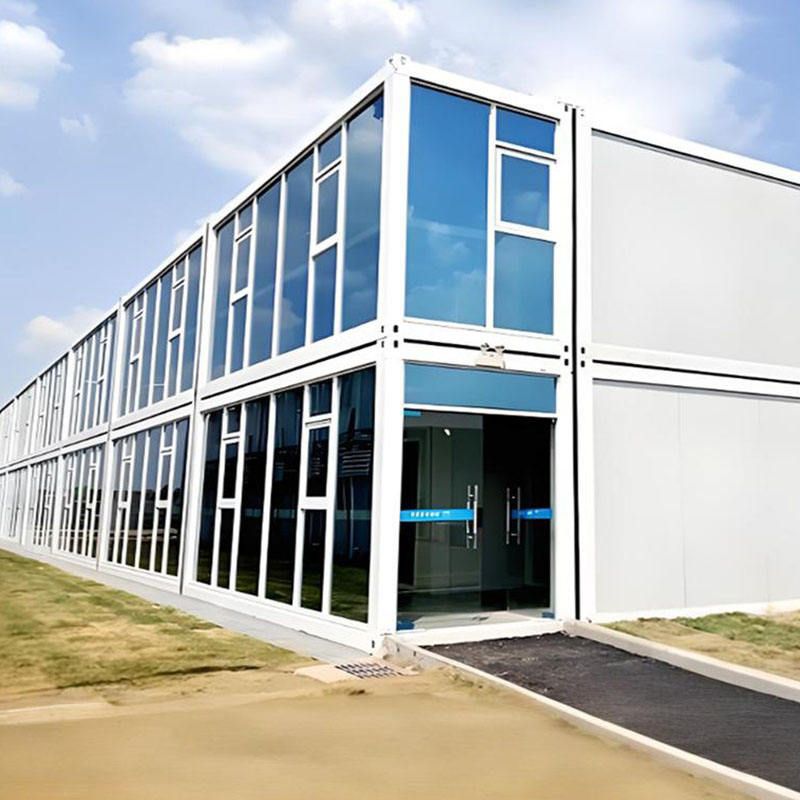
Technical Composition and Operational Logic
Mobile toilets utilize lightweight, high-strength modular materials (such as HDPE or reinforced PP), facilitating easy transportation and rapid assembly without the need for on-site civil construction. The core systems include vacuum negative pressure suction devices, self-contained sewage storage tanks or small-scale biological treatment units, and ventilation equipment. Their operation follows the principle of "demand-responsive": by predicting peak foot traffic through historical data, they are deployed in advance to demand points (such as large-scale events or emergency shelters) and then relocated or recovered for maintenance after the task is completed, avoiding resource idleness or shortage.
Urban Spatial Adaptation and Deployment Strategies
Site selection should avoid areas with dense underground pipelines, with a ground slope of less than 3 degrees to prevent sewage backflow. Fixing methods include expansion bolts or counterweight water tanks, capable of withstanding wind forces up to Level 6. In terms of layout, high-density areas such as transportation hubs adopt a "cluster" design, connecting 3-8 units to the same sewage storage tank, with a central ventilation tower utilizing wind pressure differentials to expel odors and reduce cleaning costs. To meet the needs of special populations, barrier-free toilet compartments are added, equipped with children's toilets, baby changing tables, safety handrails, and emergency call devices to enhance safety and practicality.
Resource Utilization and Environmental Benefits
In terms of water conservation, vacuum negative pressure technology enables a single flush to consume only 0.5-1.5 liters of liquid, just 1/10 of that of traditional toilets, and the liquid medium can be reused 5-7 times. For waste treatment, two solutions are adopted: vacuum collection type sucks waste into sealed tanks through negative pressure pipelines; microbial degradation type utilizes specific bacteria to decompose organic matter, with the final products being solid fertilizer and carbon dioxide, both meeting emission standards. In energy management, some models are equipped with a combination of photovoltaic panels and batteries for power supply, reducing reliance on the municipal power grid.
Maintenance Costs and Emergency Response Capabilities
Modular design allows single-component replacement time to be controlled within 20 minutes, reducing maintenance costs. In emergencies such as regional water supply pipeline bursts, they can switch to a built-in water tank mode, achieving automatic water refilling through the联动 (coordination) of water level sensors and pump valves to ensure basic usage needs. Additionally, a cloud-based management platform continuously monitors usage frequency, liquid level height, and ammonia concentration, automatically triggering cleaning instructions and planning cleaning routes when data exceeds standards, achieving data-driven responsive maintenance.



