
Beijing Mobile Toilet Installation
The installation of mobile toilets in Beijing involves four main steps: preliminary preparation, transportation, on-site installation, and post-installation work.
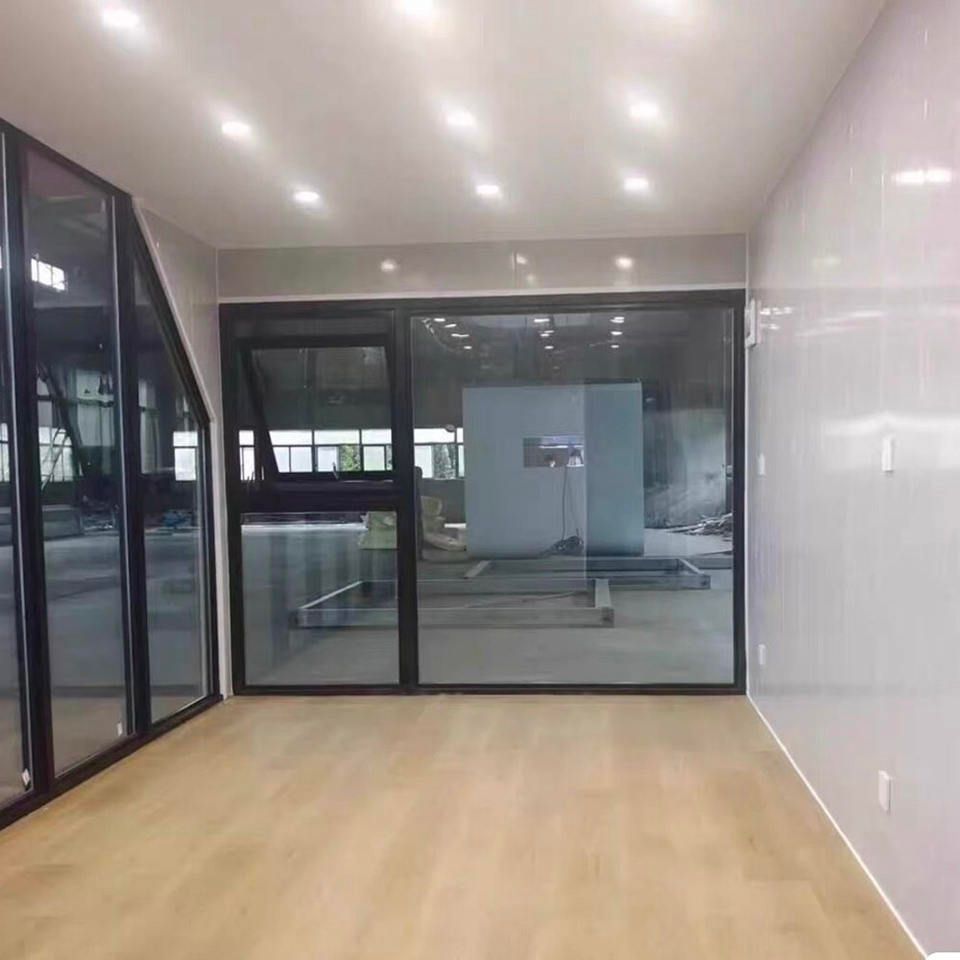
Preliminary Preparation: This is the foundational step of the installation. It involves selecting the appropriate model of mobile toilet based on the usage scenario, foot traffic, and budget. For example, in areas with high foot traffic such as tourist attractions, a model with larger capacity and more comprehensive functions may be required. Simultaneously, the specific location for installation should be determined in advance, with checks on ground flatness and the surrounding environment to ensure sufficient space for installation and subsequent use. Additionally, transportation routes should be planned, considering factors such as road width, height and weight restrictions to avoid issues during transportation.
Transportation Process: Mobile toilets are typically prefabricated in factories and then transported using large vehicles such as flatbed trucks or trailers. Before transportation, the toilets should be securely fastened and packaged to prevent damage from bumps during transit. Drivers should maintain smooth driving and regularly check the fastening status of the toilets to ensure transportation safety.
On-site Installation: Upon arrival at the site, the installation team should first clear the area to ensure a flat and hard surface. If the ground is soft, it should be compacted or a base layer should be laid to provide stable support for the mobile toilet. Then, using lifting equipment, the mobile toilet should be carefully unloaded from the transportation vehicle and placed in the predetermined position, adjusting its levelness to avoid tilting that could affect usage. If the toilet is equipped with water and electricity functions, the water and electricity lines should be connected, with the water supply pipe connected to the local water source, the drainage pipe directed to the septic tank or sewage pipeline, and the electrical circuit complying with safety standards and operated by a professional electrician. Finally, all functions, including the flushing system, lighting, and ventilation, should be checked to ensure normal operation.
Post-installation Work: The installation team should clean up the garbage generated during the installation process, disinfect and clean the inside and outside of the toilet to ensure a hygienic environment. They should then hand over the toilet to the user, explaining basic usage methods and precautions. If multiple units are involved, confirmation documents should be signed, and project records should be completed.
Throughout the entire installation process, safety should always be the primary consideration. Warning signs should be set up during transportation and installation, and all operations should comply with relevant regulations to ensure structural stability and functional integrity.



