
Construction of Mobile Toilets in Beijing
The construction of mobile toilets in Beijing achieves efficient deployment and flexible adaptation to different scenarios through modular design, functional integration, and intelligent management.
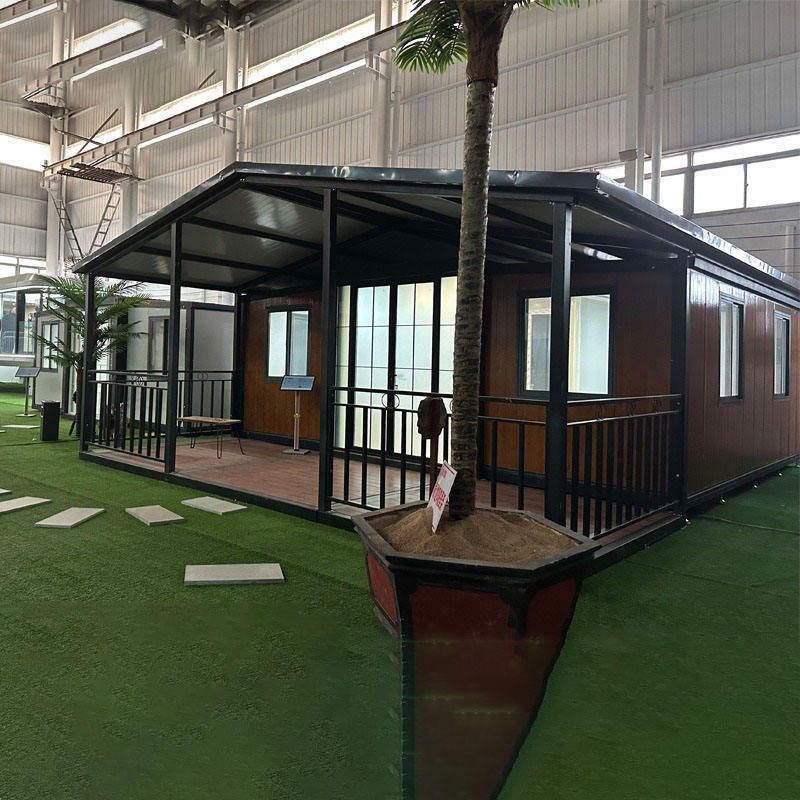
I. Modular Materials and Structural Design
The basic framework of Beijing's mobile toilets uses lightweight and high-strength materials, such as high-density polyethylene or fiberglass-reinforced plastic, ensuring structural strength while reducing self-weight for easy overall transportation and rapid installation. The structural design follows standardized principles, allowing each module to be independently produced and then assembled, shortening the construction cycle and supporting disassembly and reassembly to adapt to the spatial requirements of different sites. For example, in temporary construction sites or large event venues, modular structures can be quickly erected and layouts adjusted.
II. Functional System Integration and Technological Innovation
- Water Supply and Drainage Systems: These are divided into self-circulating and direct-discharge types. The self-circulating type is equipped with clean water and wastewater tanks, utilizing microbial degradation or vacuum suction technology for operation without external piping networks, suitable for parks, temporary construction sites, and other areas with weak infrastructure; the direct-discharge type connects directly to municipal sewage networks to meet long-term usage needs.
- Sewage Disposal Systems: These employ self-contained sewage storage tanks or small-scale biological treatment units to ensure independent operation of the sewage disposal process, preventing pollution to the surrounding environment, which is a core support for the mobility of mobile toilets.
- Ventilation and Odor Control: Integrated negative-pressure exhaust systems and activated carbon filtration units create directional airflow, directing odors into the filtration unit for purification before discharge, effectively reducing odor diffusion. Some toilets also use foam sealing technology, where a foaming device generates a dense foam layer covering the toilet surface, blocking visual contact, inhibiting ammonia volatilization, and saving about 90% of water.
III. Intelligent Operation and Management
Mobile toilets are equipped with built-in sensors that continuously monitor tank liquid levels, power levels, and internal temperature and humidity. When the liquid level reaches a preset threshold, the system automatically sends a clearance instruction to the backend and plans the route for suction vehicles, reducing manual intervention. Management departments use data analysis to predict peak foot traffic and distribution, dynamically adjusting deployment density. For example, increasing the number of toilet stalls near the ticket inspection areas of large events and reducing equipment in exit areas to improve resource utilization efficiency.
IV. Scenario-Based Adaptation and Flexible Services
- Large Event Scenarios: Layouts are flexibly adjusted based on foot traffic monitoring data. For instance, during the 2025 commemoration of the 80th anniversary of the victory of the Chinese People's War of Resistance Against Japanese Aggression and World Anti-Fascist War, tent-style toilets were set up in high-foot-traffic areas such as the east side of the Great Hall of the People and the west side of the National Museum of China, with upgraded accessible restrooms to enhance privacy protection and odor control.
- Transitional Filling and Engineering Support: During the transitional period of old urban area renovations, they fill the service gap left by the demolition of original public toilets or are relocated along with the progress of river treatment and road construction projects to avoid secondary construction waste.
- Functional Integration: Some cities have experimented with combining mobile toilets with sanitation worker rest stations and small-scale convenience service points to expand public service functions.



