
Beijing Mobile Smart Toilet Construction
The construction of Beijing's mobile smart toilets is reflected in multiple aspects such as integrated design, internal circulation systems, energy supply, intelligent management systems, and user experience design, and has achieved remarkable results.
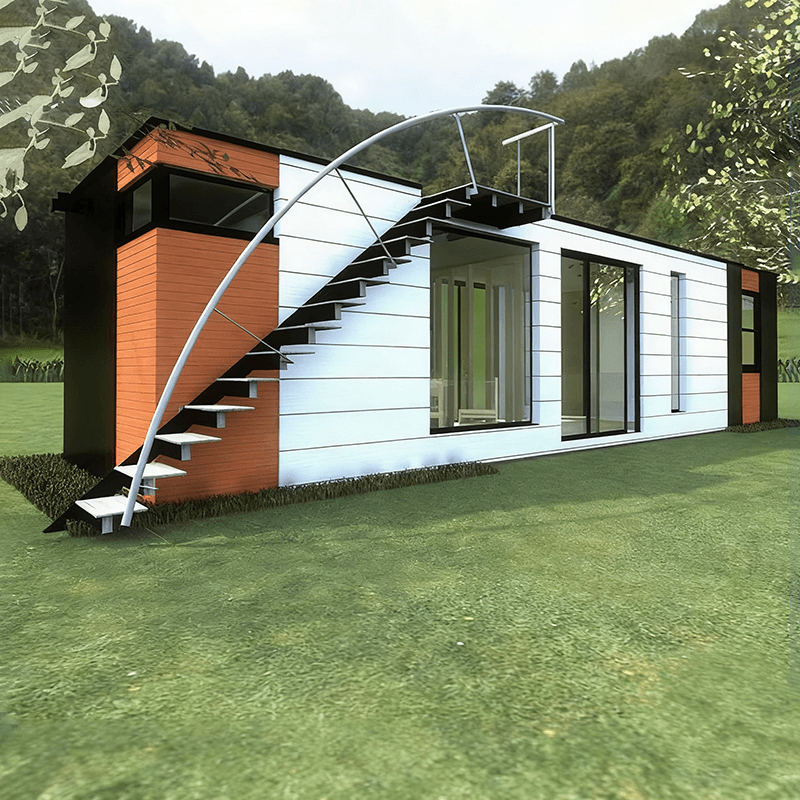
In terms of integrated design, an integrated approach is adopted, integrating multiple independent functional systems into a prefabricated structure. After standardized production in the factory, it is transported to the site for rapid installation, changing the traditional construction model, achieving modular combination of functional units, shortening the construction cycle, and improving space utilization efficiency.
Regarding the internal circulation system, the equipment employs multi-stage treatment technology. Sewage first passes through a solid-liquid separation device, where solid substances are retained, compressed, and stored, while the liquid part enters the biological treatment unit, utilizing specific microbial communities to decompose organic matter and accelerate the decomposition process. Afterward, the water enters the filtration and disinfection stage. Part of the treated water is reused for non-potable purposes such as toilet flushing, forming an internal water circulation and reducing dependence on external water sources.
In terms of energy supply, photovoltaic power generation components are generally equipped. Solar panels are installed on the sunny side of the roof or exterior walls, converting light energy into electrical energy and storing it in battery packs for use in lighting, ventilation systems, and control equipment operation. Some advanced models are equipped with energy management systems that can automatically adjust energy consumption based on usage frequency.
The intelligent management system collects equipment operation data through various sensors. For example, occupancy sensors detect the usage status of toilet stalls and display it on external screens; environmental sensors monitor internal temperature, humidity, and ammonia concentration, automatically increasing ventilation when values exceed standards; equipment operation sensors track water and electricity consumption, sewage treatment progress, and energy reserves. All data is transmitted to the management platform via IoT modules, allowing maintenance personnel to remotely monitor the real-time status of multiple devices and implement preventive maintenance.
In terms of user experience design, considering public space behavior patterns, barrier-free access and internal spaces meet the needs of wheelchair passage; baby care stations and child safety seats are provided; emergency call buttons are installed in easily accessible locations. These design elements are systematically integrated after ergonomic analysis.
In terms of construction achievements, in 2025, Beijing continued to deepen the "Toilet Revolution." A newly improved modular mobile public toilet was installed in Mingguangqiao North Park in Haidian District, adding barrier-free stalls equipped with child toilets and baby care stations. The barrier-free renovation of 33 public toilets was listed as a municipal government practical project, targeting胡同 (hutong) public toilets for renovation. Continuous "follow-up inspections" were conducted on the renovation of public toilets in core area courtyard houses. The achievements of the "Toilet Revolution" were consolidated and expanded to rural areas. Public toilets in industries such as rail transit, parks, and supermarkets were included in a unified regulatory system, promoting an overall improvement in the management level of public toilets across the city.



