
Beijing Energy-Saving Mobile Toilet Structure
The structure of Beijing's energy-saving mobile toilets is centered around modular design, integrating environmental protection, energy efficiency, and intelligent technologies. It primarily includes the following key structural features:
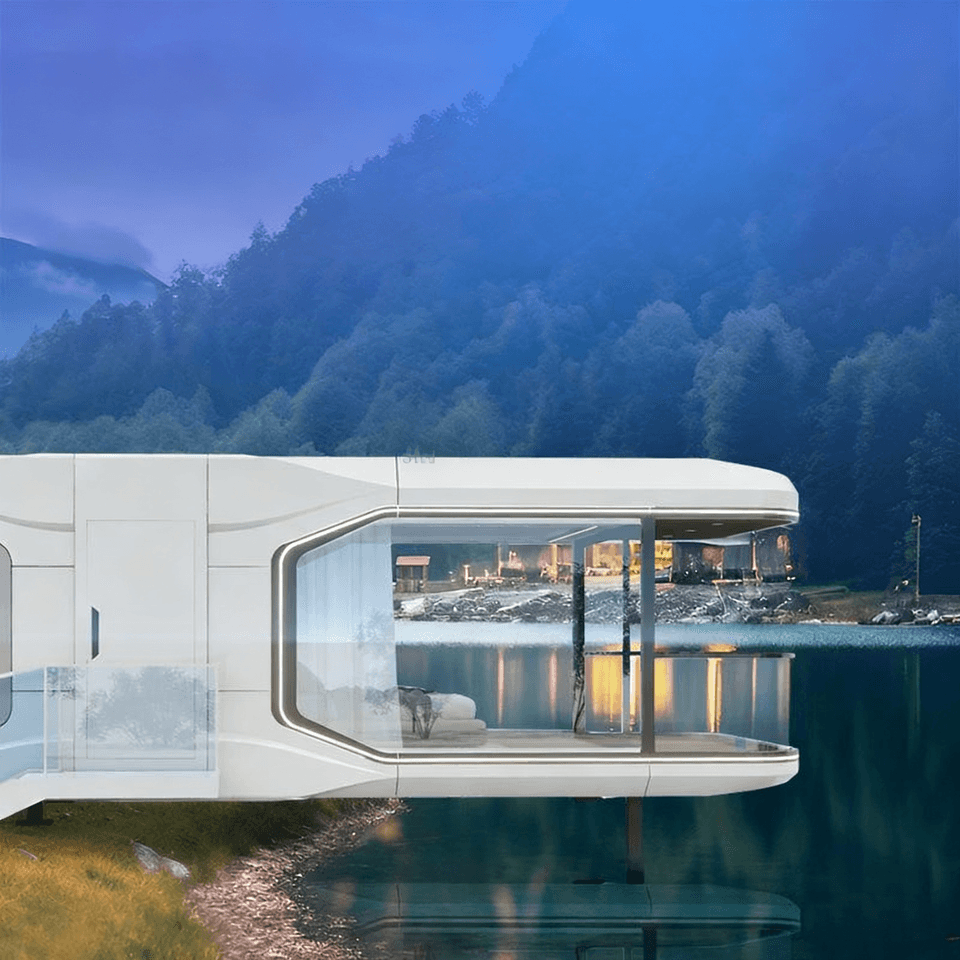
1. Modular Box Structure
Standard container frames or split-type boxes are used, with wall materials selected from high-density polyethylene, fiberglass, or corrosion-resistant metals. The external coating features UV resistance and temperature difference tolerance, adapting to different climatic environments. The interior of the box is divided into independent functional areas, including toilet areas, sewage systems, water supply modules, ventilation devices, and lighting units. Each module is connected via quick connectors for pipeline connections. For example, the sewage system integrates vacuum suction devices or microbial degradation units, reducing reliance on underground sewage networks and enhancing deployment flexibility.
2. Energy-Efficient Functional Components
- Water Supply System: Equipped with water-saving flushing devices, such as pneumatic-assisted water circulation technology or micro-flush toilets, with an average flush volume as low as 0.75 liters per person per use. Some models incorporate rainwater collection systems, which are disinfected with UV light for toilet flushing, further reducing water consumption.
- Energy System: Solar photovoltaic panels and battery packs are installed on the roof for collaborative power supply. A single standard panel generates approximately 0.5 kilowatt-hours per day, meeting the demands of lighting, exhaust fans, and sensor devices, and reducing reliance on the traditional power grid.
- Lighting System: Low-energy LED light sources are used, combined with light sensors for automatic brightness adjustment, avoiding energy waste.
3. Waste Treatment Technologies
- Vacuum Collection System: Waste is compressed into storage tanks through negative pressure pipelines, requiring only 0.5 liters of water per suction, achieving a water-saving rate of over 90%.
- Microbial Degradation Units: Specific bacterial strains are utilized to decompose organic matter into harmless compounds, eliminating the need for regular pumping and reducing operational and maintenance costs.
- Physical Separation Equipment: Liquid and solid waste are treated separately, with gases filtered through activated carbon before emission, reducing odors and pollution.
4. Environmental Adaptability Design
Leveling brackets are installed at the bottom to adapt to different ground slopes. The thickness of the thermal insulation layer is adjusted according to climate zones (e.g., thicker layers in northern regions to prevent freeze cracking). Wind-resistant structures are reinforced through mechanical calculations, while non-slip floors and barrier-free access meet special needs. Emergency call buttons are connected to monitoring centers, enhancing safety and applicability.
5. Intelligent Management System
A sensor network is integrated to monitor usage frequency, material inventory, and equipment status in real-time, with data wirelessly transmitted to a management platform. Algorithmic models predict maintenance needs, and a fault diagnosis system automatically generates repair plans and dispatches work orders, enabling efficient operational and maintenance management.
6. Material and Process Optimization
Walls are constructed from lightweight high-density polyethylene or fiberglass to reduce transportation energy consumption. Quick-release hardware and standardized components lower maintenance costs, with single-component replacement times controlled within 20 minutes, improving maintainability.
Typical Application Case: The micro-flush toilet technology (0.75 liters per person per use), foam-sealing toilet technology (water consumption ≤ 30 ml per person per use), and vacuum collection systems developed by Beijing Aibei Space Technology Co., Ltd. all demonstrate innovative applications of energy-saving structures.



