
Basic Knowledge of Portable Toilets
The basics of portable toilets cover aspects such as definitions, technical principles, sanitary functions, environmental adaptability, and maintenance design. Details are as follows:
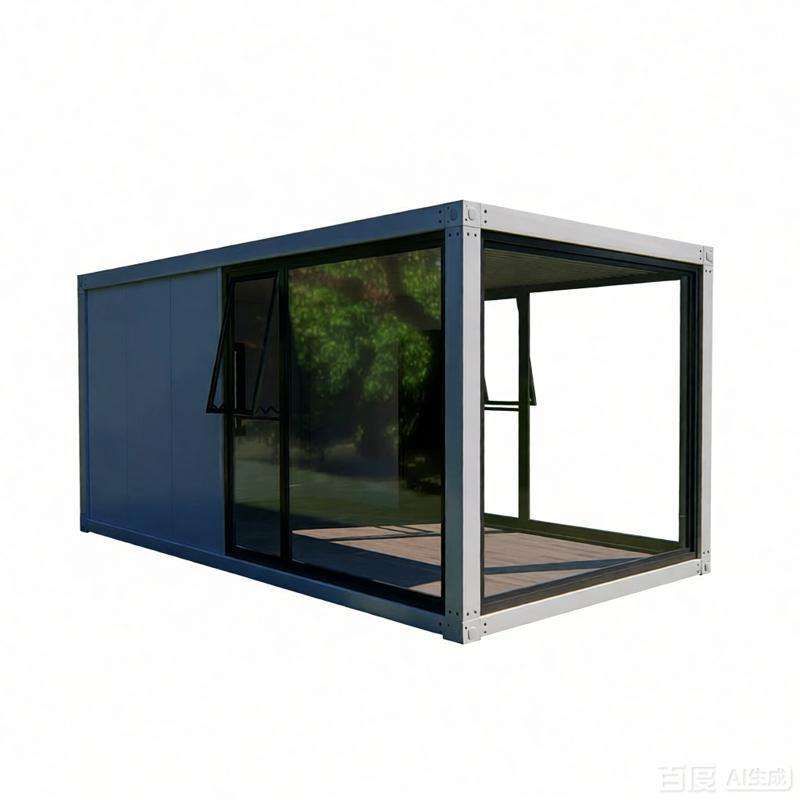
Definition and Function A portable toilet is a movable facility primarily used to meet the toilet needs in fixed or temporary locations. Its core function is to solve temporary toilet problems while also taking into account environmental protection, hygiene, and aesthetics. It is suitable for scenarios such as outdoor activities, construction sites, and emergency rescues.
Technical Principles and Core Structure Portable toilets are based on a steel frame structure to ensure overall strength and stability, with a service life of up to 30 years. Their main structure is divided into three parts:
- Floor: Made of anti-slip aluminum plates or floor tiles to ensure safety during use and prevent slipping risks.
- Walls: Support customization of colors and shapes. High-end interior and exterior decoration enhances the visual experience while providing sound insulation and heat insulation functions.
- Sewage disposal system: The technical core, offering three solutions:
- Flush type: Flushes excrement with clean water, requiring a water source connection or the provision of a clean water tank.
- Packing type: Uses biodegradable plastic bags to collect excrement, eliminating the need for a water source and being suitable for water-scarce environments.
- Microbial degradation type: Utilizes microorganisms to decompose excrement, achieving pollution-free discharge and being the most environmentally friendly option.
Basic Sanitary Functions Internally, they are usually equipped with basic facilities such as squat toilets or sit toilets, flushing devices, and toilet paper holders. Some high-end models are also equipped with automatic induction flushing systems, which trigger flushing through infrared induction to avoid manual contact with bacteria and comply with sanitary and epidemic prevention standards. In addition, some models are equipped with hand-washing basins, hand dryers, or disinfectants to further enhance hygiene levels.
Environmental Adaptability Portable toilets have strong environmental adaptability and can be quickly deployed on different terrains such as grasslands, sandy areas, and muddy areas without the need for complex foundation construction. Their outer shells are mostly made of waterproof and rust-proof materials (such as fiberglass-reinforced plastic or stainless steel), allowing normal use even in rainy or humid environments, with a service life of up to 3 - 5 years. Some models are also equipped with wind-proof fixing devices to ensure stability in strong wind conditions.
Convenient Maintenance Design At the bottom, there are sewage tanks and clean water tanks for storing excrement and cleaning water respectively. The tanks can be hoisted and transported as a whole, facilitating quick relocation. Internally, removable toilets and hand-washing basins are used, making daily cleaning as simple as removing and rinsing the components. In case of malfunctions, the modular design allows for the separate replacement of damaged components, reducing maintenance costs.



