
Baiyin Mobile Ecological Toilet Customization
Customization of mobile ecological toilets in Baiyin requires comprehensive consideration of multiple factors, including basic product parameters, ecological treatment technologies, environmental adaptability, and maintenance management.
I. Basic Product Parameters and Customization Options
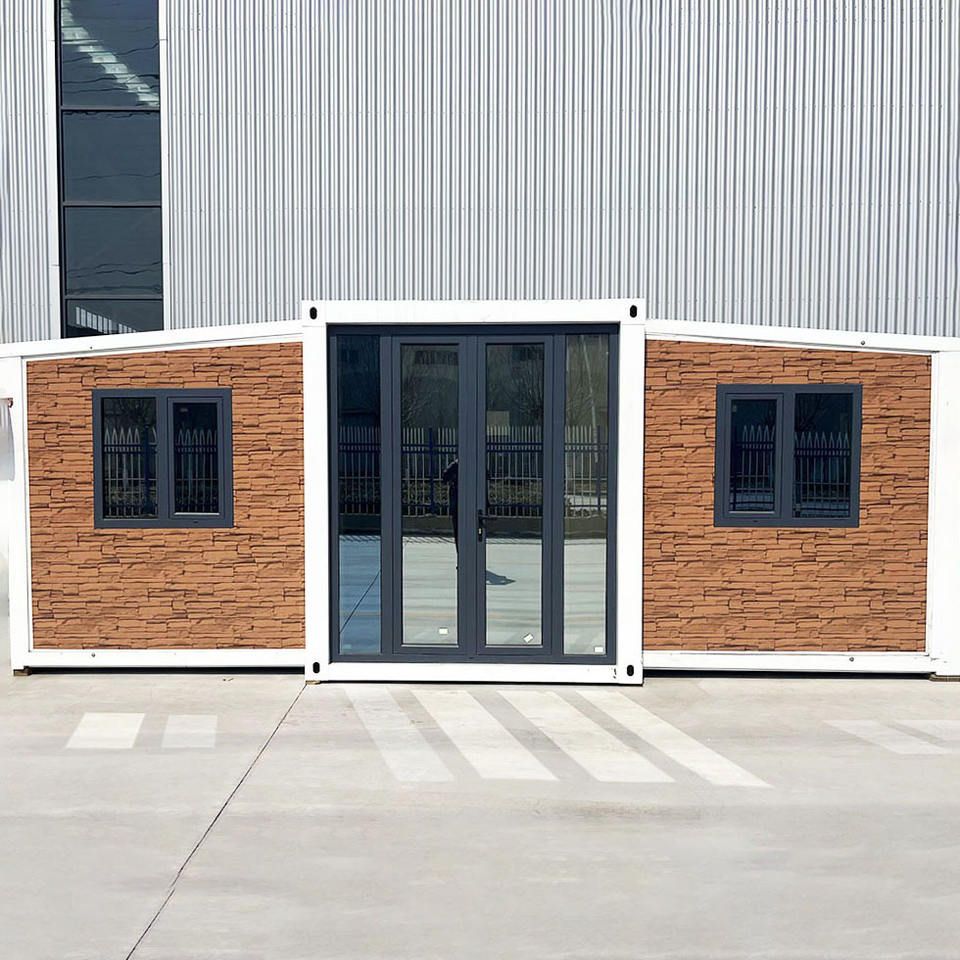
Manufacturers of mobile toilets in Baiyin City offer direct sales services, with a base price of 1,200 yuan per unit. They support customization of materials, specifications, colors, and external dimensions according to demand. The product type is prefabricated, with configurations including squat toilets, handwashing basins, door locks, light bulbs, exhaust fans, and anti-slip floors. There are various models with complete specifications to meet the needs of different scenarios. The supply range covers the entire Gansu Province and surrounding cities, with a minimum order quantity of just one unit. Delivery time is 5 days, and freight charges are subject to negotiation. When customizing, it is necessary to clarify the usage scenario (such as tourist attractions, construction sites, temporary events, etc.) to determine the appropriate size, color, and functional modules.
II. Core Principles of Ecological Treatment Technologies
Ecological toilets are designed based on resource recycling principles, utilizing solid-liquid separation devices: solids enter enclosed fermentation tanks and are converted into stable substances (such as soil amendment materials) through microbial decomposition; liquids are filtered through membranes and then further purified in plant root filtration zones. The microbial treatment unit relies on specific bacterial strains to decompose organic matter in a temperature-controlled environment. Regular monitoring of the fermentation tank's pH and humidity levels is required, along with the supplementation of auxiliary bacterial agents to maintain the carbon-nitrogen ratio and ensure decomposition efficiency. This technology does not require chemical cleaning agents, and the treated products must pass third-party testing: solids must meet agricultural standards (heavy metal and pathogen indicators), and liquids must reach irrigation reuse standards, with a complete material balance report generated.
III. Environmental Adaptability and Technical Support
The facilities adapt to different environments through multi-dimensional technologies: solar photovoltaic panels supply power to the exhaust system and treatment equipment, ensuring operation in areas without an electrical grid; the insulation layer and ventilation structure are optimized through calculations to adapt to high altitudes and extreme climates, preventing interruptions in the biological treatment process due to temperature fluctuations; material selection balances lightweight properties with durability, with metal composite panels used for exterior walls and polymer materials for interior compartments, which are corrosion-resistant and easy to transport; the modular design supports rapid on-site assembly without welding, reducing construction difficulty.
IV. Layout Planning and Maintenance Management
Layout planning in tourist attractions must consider geological, traffic flow, and pathway factors: geological surveys confirm groundwater levels to avoid seepage risks; tourist traffic statistics determine the capacity of treatment units; pathway analysis optimizes the setting of barrier-free access. Maintenance focuses on microbial activity management, with technicians regularly monitoring fermentation tank parameters and supplementing bacterial agents. They also record the distance of waste transport and the area ratio of vegetation restoration zones to ensure the long-term stable operation of the system.



