
Baishan Water-Saving Mobile Toilet
Baishan water-saving mobile toilets have significant advantages in environmental protection and water conservation, primarily reducing water usage through technologies such as biodegradation, chemical treatment, and foaming, making them suitable for scenarios with water-saving needs.
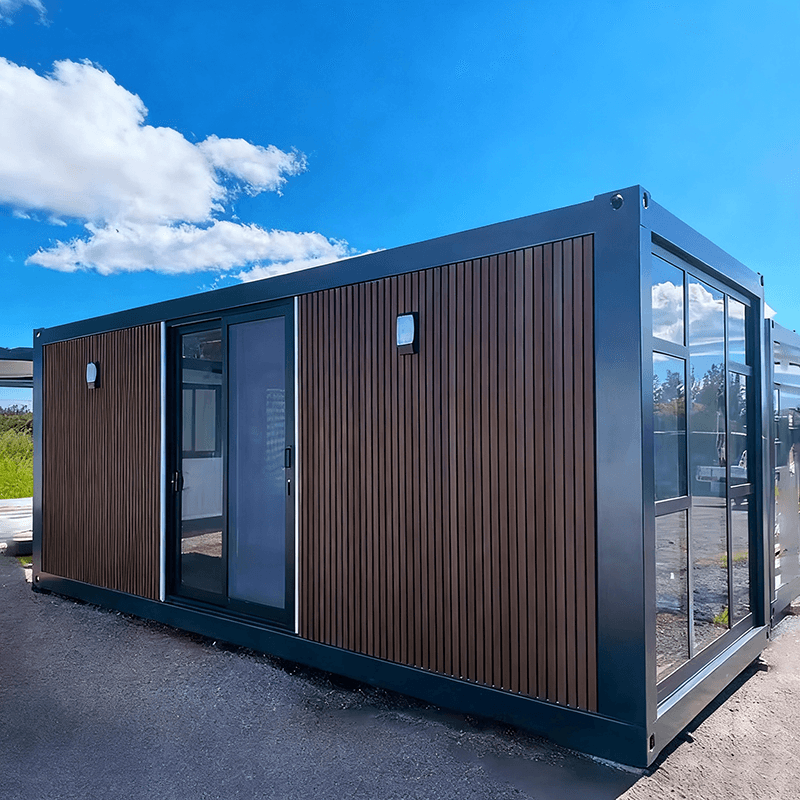
The water-saving mobile toilets in Baishan focus on the efficient utilization and recycling of water resources in their design. Some mobile toilets employ biodegradation technology, which accelerates the decomposition of excrement by adding specific microbial agents or enzyme preparations. This technology can convert organic matter into harmless substances, reduce solid residues, and thus lower the frequency of waste removal. Since the volume of excrement is significantly reduced after decomposition, the toilets do not require frequent flushing or replacement of waste storage containers, indirectly reducing water consumption. For example, microbial decomposition technology can complete the initial decomposition of excrement within 24-48 hours, resulting in significant water-saving effects compared to traditional toilets that require daily flushing.
In addition, chemical treatment technology is also an important means of water conservation. By adding chemical agents (such as enzyme preparations or oxidants), the decomposition of excrement can be accelerated and odor production can be inhibited. Such technologies also reduce the need for waste removal, lowering indirect water usage associated with transportation and cleaning. For instance, the waste storage tanks of some chemically treated toilets can hold 3-5 times the volume of traditional toilets, extending the waste removal cycle to 1-2 weeks and significantly reducing flushing water and water waste during the waste removal process.
The mobile environmental protection toilets provided by Cangzhou Hengtai Sanitation Equipment Co., Ltd. further enrich the options for water-saving technologies. Their products support multiple waste disposal methods such as water flushing, packing, foaming, and microbial decomposition, with foaming and microbial decomposition technologies being particularly prominent. Foaming technology uses a foam generator to mix a small amount of water with a foaming agent, creating a foam layer that covers the surface of the excrement, blocking odors and reducing flushing water. The single flush volume can be as low as 0.2-0.5 liters, only 1/10 of that of traditional water-flushing toilets. Microbial decomposition technology, on the other hand, converts excrement into water and carbon dioxide through the metabolic action of microbial communities, requiring no flushing throughout the process and achieving a “zero water usage” goal, making it suitable for arid or water-scarce regions.
The combination of these technologies enables Baishan water-saving mobile toilets to flexibly adapt to different scenario needs, meeting the high-frequency usage demands of public places while reducing water consumption and waste removal frequency, thereby lowering the environmental burden and demonstrating a balance between environmental protection and practicality.



