
Baicheng Outdoor Mobile Toilet Facilities
Baicheng outdoor mobile toilet facilities feature modular design, flexible deployment, environmental protection, energy efficiency, and comprehensive services.
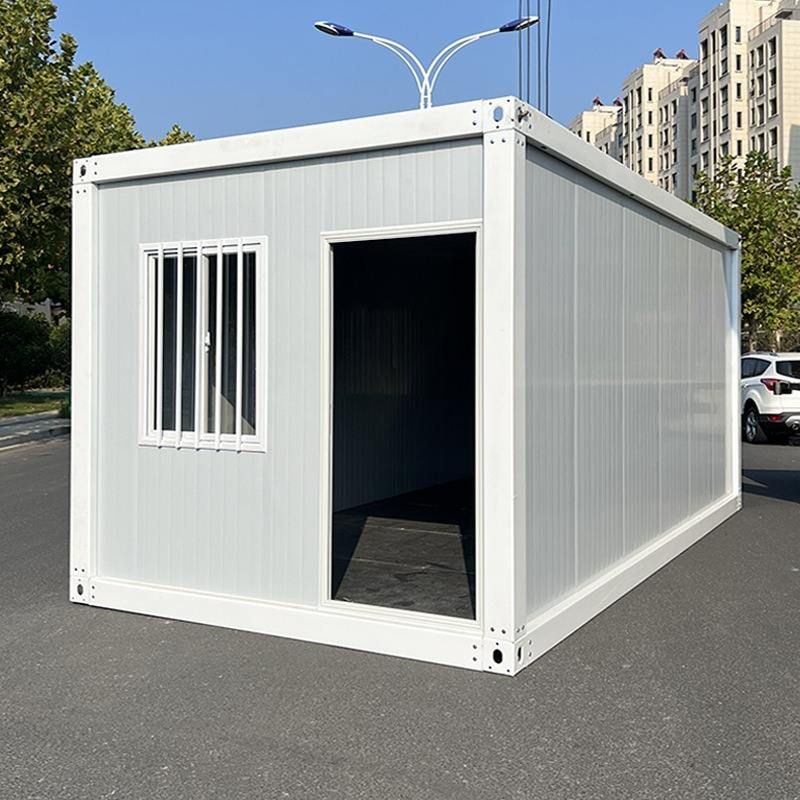
Technical Foundation and Design: Based on a modular concept, the main structure of the restroom is prefabricated in the factory, with internal facilities such as water-saving toilets, ventilation systems, and lighting devices integrated in advance. This pre-integrated production method significantly shortens on-site construction time, allowing the facilities to be transported to designated locations as fully functional units and quickly put into use.
Convenient Deployment and Connection: In outdoor event scenarios, standardized interfaces are provided at the bottom of each unit for quick connection to simple foundations or temporary piping systems. Water supply and drainage are achieved using flexible pipes with quick connectors, enabling basic functional configuration within a few hours. Power supply can be realized through solar auxiliary systems or connection to temporary circuits, with some units equipped with low-power lighting and ventilation devices to adapt to areas without grid coverage.
Outstanding Environmental Design: Multiple emission reduction technologies are employed, such as biodegradable additive devices to accelerate solid waste decomposition, water-saving shower systems to reduce single-use water consumption, and new composite material compartments to enhance thermal insulation performance and reduce winter energy consumption. These designs minimize the potential impact of the facilities on the event site and surrounding environment.
Flexible Service Model: Rental services dynamically configure the number and type of units based on event scale, duration, and terrain characteristics. High-frequency usage scenarios select models with enhanced ventilation and larger septic tank capacities, while short-term events use lightweight and simple models. After recovery, standardized cleaning procedures, including high-pressure washing, disinfectant atomization treatment, and equipment functionality testing, ensure hygiene and safety.
Optimized Response Mechanism: By analyzing data to predict demand fluctuations, inventory distribution is adjusted in advance to shorten emergency allocation times. A digital management platform monitors the status of usage points in real-time, enabling timely arrangement of maintenance and waste removal services, forming a flexible urban service supplement mechanism.
Standardized Service Process: A complete operational chain is formed from site survey and unit configuration to post-maintenance, allowing event organizers to avoid handling installation and cleaning tasks separately. Ergonomic internal designs, such as barrier-free handrails, non-slip floors, and baby care stations, meet the needs of different groups.



