
Volver al blog
Artículo
Internal Structure of Automobile Mobile Toilets
Admin 01 de octubre de 2026
The internal structure of automobile mobile toilets varies depending on the type, mainly divided into three categories: portable, emergency, and customized models, with the following core structural features:
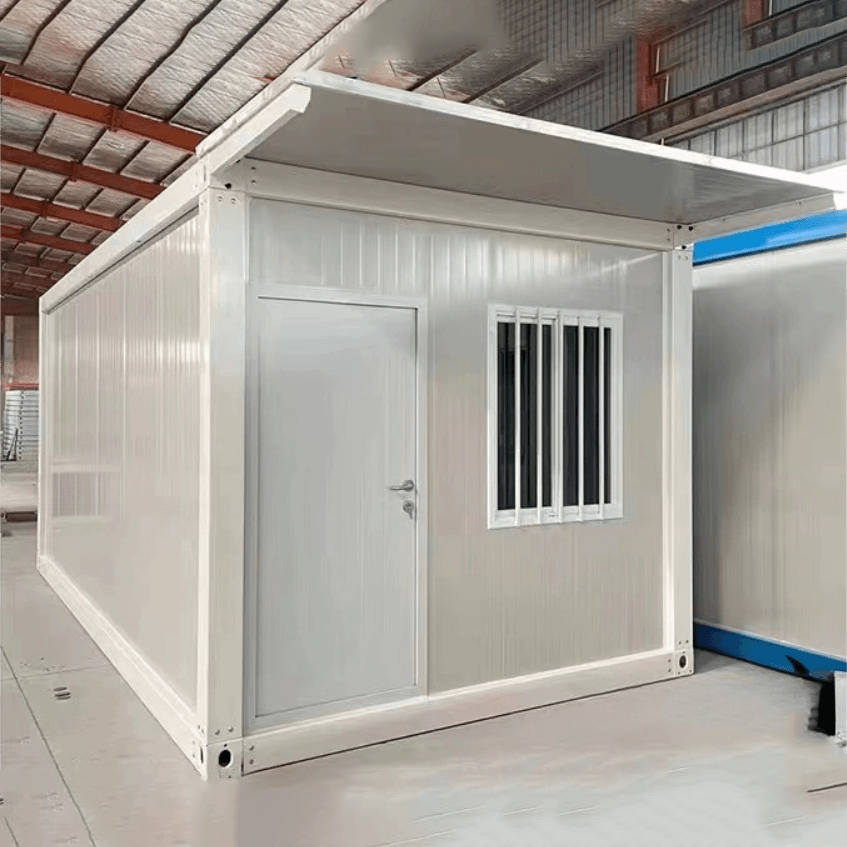
1. Vehicle-mounted Mobile Restroom (Portable)
- Frame Structure: The main body is made of lightweight alloy or high-strength plastic, compact when folded, and forms an independent space (approximately 2 meters in height) when unfolded, ensuring user privacy through physical isolation.
- Storage System:
- Waste Collection Device: There are two types. One is a disposable bag system, which uses biodegradable sealed bags to directly collect waste, facilitating easy replacement; the other is a circulating flushing system, equipped with a small water tank and a waste storage tank, achieving flushing functionality through a manual pump, suitable for long-term use scenarios.
- Cleaning Accessories: Inside, there are dedicated storage compartments for storing basic cleaning supplies such as hand sanitizer, tissues, and trash bags. Some models are also equipped with a curing agent dispenser for treating solid waste.
- Treatment Unit: Basic models only provide physical isolation, while fully functional models may include an odor removal system (such as activated carbon filtration or chemical deodorizers) to reduce odor diffusion.
2. Vehicle-mounted Toilet (Emergency Restroom System)
- Core Structure: Composed of a toilet body and a slide rail mechanism, it is hidden beneath the seat and achieves伸缩 (telescopic) functionality through the slide rail.
- Usage Method: In daily use, it is fully retracted and indistinguishable from an ordinary seat; when needed, the toilet is pulled out via the slide rail and pushed back in after use, saving space inside the vehicle and suitable for temporary emergency scenarios.
3. Dongfeng Mobile Toilet Vehicle (Customized Model)
- Space Division:
- It adopts a double-door design, with the front door leading to the ladies' restroom and the rear door to the men's restroom and urinal, achieving functional zoning.
- Wall Structure: It features a sandwich panel design, with an outer layer of cold-rolled steel plate, an inner layer of UV board, and insulation material filled in between, balancing durability and thermal insulation.
- Facility Configuration:
- Basic Equipment: It is equipped with a sink, stainless steel freshwater tank, and wastewater tank, with the wastewater tank supporting direct drainage and suction drainage for easy cleaning.
- Auxiliary Configuration: Includes stainless steel handrails, coat hooks, a vanity mirror, energy-saving lighting, a stainless steel tissue holder, etc., enhancing user convenience.
- Special Systems: It is installed with a vehicle-mounted air conditioner to regulate temperature, uses a high-pressure air source instead of a traditional water pump, and controls water output through a pressure regulator to achieve water-saving flushing.
The structural designs of these three types of automobile mobile toilets all prioritize practicality and can be selected based on usage scenarios (such as temporary events, emergency rescue, or long-term services) to find the most suitable solution.
Relacionados



