
Australia Honey Bucket Portable Toilet
There is no facility or specific term called the 'Honey Bucket Portable Toilet' in Australia. Here is a detailed analysis:
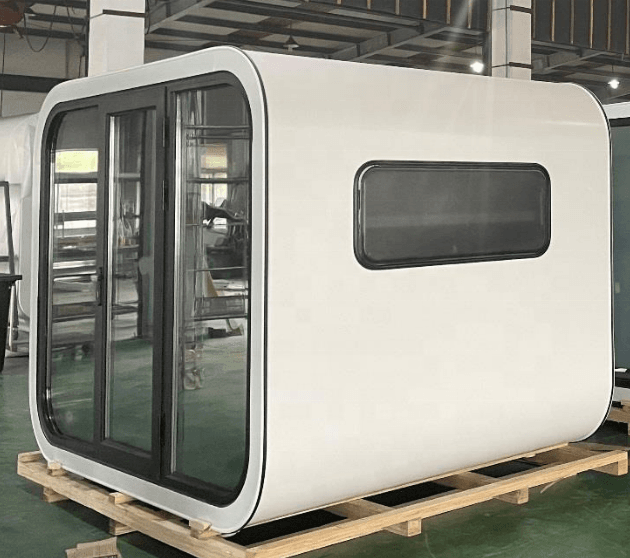
Origin and Misunderstanding of the American 'Honey Bucket'
The American 'Honey Bucket' is a brand name or colloquial term for portable toilets. Its name originated from an online mistranslation—where 'Portable Toilet' was incorrectly translated as 'Honey Bucket'—and gradually evolved into a popular meme. This term has no direct connection to Australia, which has not adopted or used this name to describe portable toilets.
Actual Situation of Portable Toilets in Australia
Portable toilets in Australia are typically named based on their functionality, such as 'Portable Toilet' or 'Porta-Loo'. They are primarily used for outdoor activities, construction sites, or temporary venues. Their design focuses on practicality and hygiene, with no association with 'honey buckets'. Additionally, no specific brand or cultural meme similar to the American 'Honey Bucket' has been found in Australia.
Unique Risks Associated with Toilets in Australia
There are some unique risks associated with toilets in Australia, but they are unrelated to the 'Honey Bucket Portable Toilet':
- Snake Threat: In wild or remote areas, venomous snakes (such as the mulga snake) may hide on toilet seats due to the concealed environment. Users should check before use.
- Bee Nesting: Some toilets, due to their enclosed structure or poor ventilation, may attract bees to build nests, increasing usage risks. However, this is a natural phenomenon unrelated to the design or name of portable toilets.
Summary
Portable toilets in Australia prioritize practical functionality, with no occurrence of the term 'Honey Bucket Portable Toilet' or similar facilities. The popularity of the American 'Honey Bucket' stems from a linguistic mistranslation and has no relevance to Australia. The unique risks associated with toilets in Australia (such as snakes and bees) are isolated cases caused by the natural environment and should be addressed through safety inspections and protective measures, rather than through naming or design.



