
Volver al blog
Artículo
Assembled Container House
Admin 15 de septiembre de 2026
The assembled container house is an independent office or living unit formed by transforming a standard container as a carrier, featuring a sturdy structure, convenient transportation, and flexible assembly and expansion capabilities.
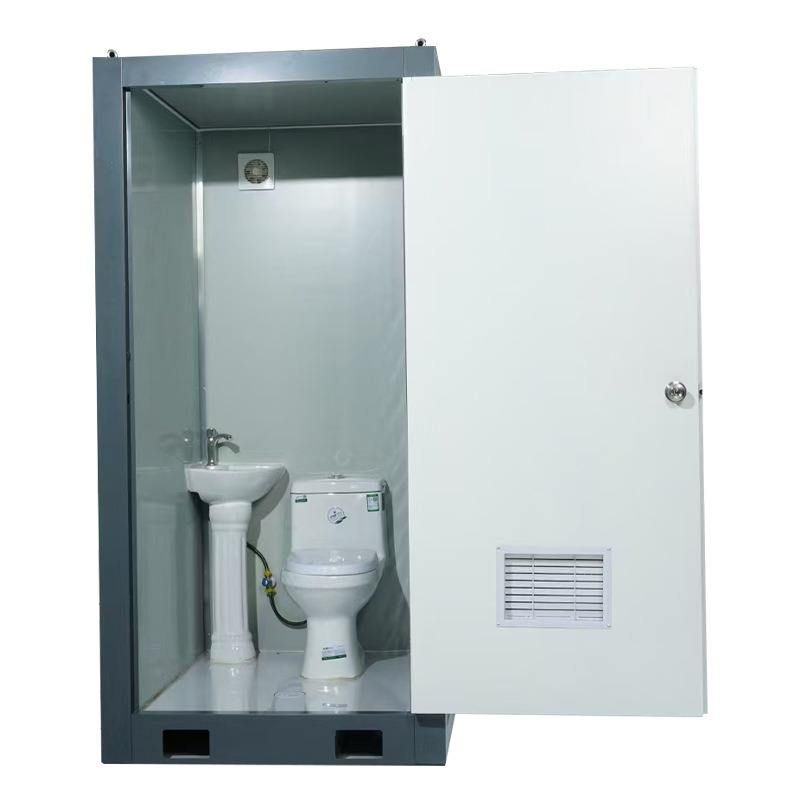
I. Structure and Types Assembled container houses are based on standard containers (common sizes are 20 feet and 40 feet) and achieve functional expansion through structural modifications. Depending on the design differences, they can be classified into the following types:
- Basic Container House: Used independently as a single unit, suitable for construction site command centers, temporary offices, and other scenarios.
- Expanded Container House: Additional side or end expansion modules are added to the container, increasing the usable area by 30%-50% when expanded, meeting the spatial needs of long-term on-site offices.
- Modular Container House: The container is divided into multiple modules, and the main structure, utilities, and interior finishes are completed in the factory. The modules are then assembled on-site to form a complete building, suitable for diverse scenarios such as construction camps, cultural tourism accommodations, and emergency support.
II. Core Advantages
- Rapid Deployment: High factory prefabrication levels significantly improve on-site installation efficiency. For example, Suzhou Zhongnan's quick-assembly containers can be installed in just 2 hours per unit, and 10 standard dormitory units can be set up within a day; China Construction Steel Structure's modular buildings shortened the construction period of an 18-story residential project in Hong Kong from 3-5 years to 1 year.
- Reusability: Supports multiple disassembly and relocation cycles, reducing the total lifecycle cost. On average, products from leading manufacturers can be disassembled and reused more than 8 times, with construction waste emissions reduced by approximately 90% compared to traditional temporary buildings.
- Structural Stability: The all-steel frame combined with high-strength welding technology provides excellent wind and earthquake resistance. For example, Suzhou Zhongnan's products have a wind resistance rating of up to Level 12 and an earthquake resistance rating that complies with the GB50011-2010 standard.
III. Application Scenarios
- Construction Camps: Used as project offices and worker dormitories, balancing durability and cost-effectiveness.
- Commercial Temporary Spaces: Supports customized designs suitable for pop-up stores, event exhibition halls, and other scenarios.
- Emergency Support: Rapid deployment capabilities meet urgent needs such as post-disaster shelter and temporary medical stations.
- Overseas Cross-Border Projects: Achieves cross-border compliance delivery through the 'factory prefabrication + on-site assembly' model, such as China Construction Steel Structure's North American order project.
Relacionados



