
Are Mobile Toilets Dirty?
The sanitary conditions of mobile toilets cannot be generalized; whether they are 'dirty' depends on the technology type and operation and maintenance management level.
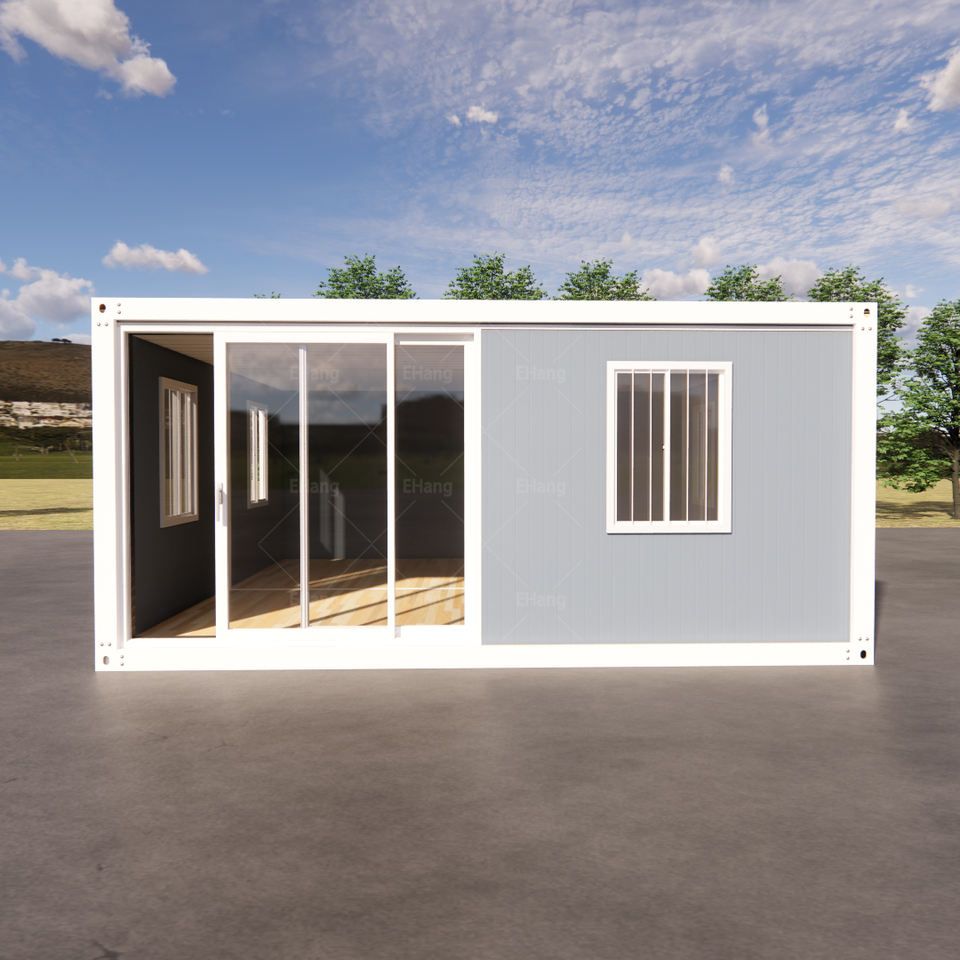
Traditional mobile toilets have relatively prominent sanitary issues. These toilets mostly adopt simple structures and rely on manual regular cleaning. If cleaning is not carried out in a timely manner, fecal residues can breed bacteria, generate odors, and even cause equipment blockages. For example, some old mobile public toilets on the streets of Beijing, due to equipment aging, have problems such as unflushed feces or difficulties in cleaning, resulting in poor toilet environments that directly affect the user experience. In addition, if the sewage discharge system of traditional toilets is not reasonably designed, it may also cause secondary pollution, further exacerbating sanitary hazards.
The new generation of prefabricated public toilets, on the other hand, have significantly improved sanitary conditions through technological innovation. These toilets use a waterless flushing microbial degradation technology, utilizing a three-stage microbial composite bacteria to synergistically treat feces, achieving a pollutant degradation rate of over 96%. Their core advantage lies in the fact that they do not require flushing water, reducing sewage generation at the source. At the same time, through microbial decomposition, feces are converted into harmless substances, avoiding the odor and bacterial growth problems of traditional toilets. In addition, prefabricated public toilets are also equipped with intelligent ventilation systems that can monitor and adjust the indoor air quality in real-time, ensuring that the air is close to the standard of 'sterile, odorless, and tasteless'. This technology not only improves the sanitary level but also reduces operation and maintenance costs, making it suitable for promotion in scenarios such as scenic spots and temporary events.
Operation and maintenance management is another key factor affecting the sanitation of mobile toilets. Even with advanced technology, if there is a lack of regular maintenance, equipment failures or a decrease in bacterial activity can still lead to sanitary problems. For example, the microbial degradation system needs to be regularly supplemented with bacteria, and the ventilation system needs to have its filters cleaned; otherwise, the treatment effect will be affected. Therefore, choosing mobile toilet services with professional operation and maintenance teams can better ensure long-term sanitary conditions.
In conclusion, the sanitary conditions of mobile toilets need to be comprehensively judged based on the technology type and management level. Traditional toilets are prone to sanitary problems if not properly maintained, while the new generation of technology can achieve efficient cleaning through waterless flushing, microbial degradation, and other means, but it requires standardized operation and maintenance to continuously maintain good conditions.



