
Are Container Houses Durable?
Container houses exhibit high durability when used and maintained properly, typically lasting 15-30 years, with some high-quality products even exceeding 50 years. Their durability is influenced by multiple factors, including materials, construction techniques, usage environment, and maintenance practices. Detailed analysis is as follows:
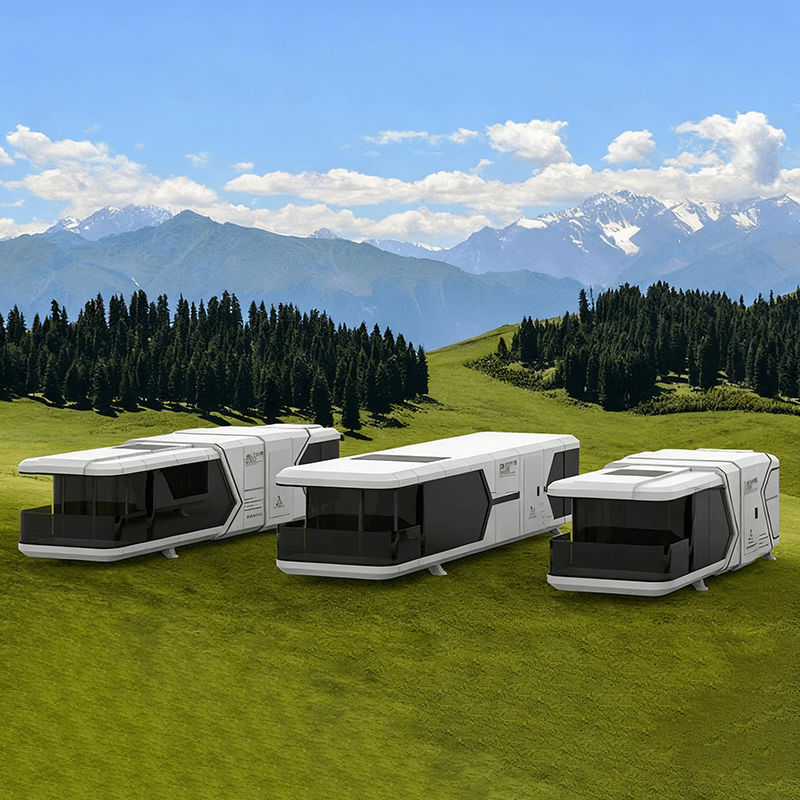
1. Materials and Construction Techniques Form the Basis of Durability
The main structure of container houses is made of high-strength steel (such as channel steel and angle steel), processed through automated welding techniques. The weld strength meets the GB/T 19001-2016 standard, ensuring overall wind and earthquake resistance. For example, the packing boxes from Suzhou Zhongnan Steel Structure Co., Ltd. exhibit a frame deformation rate of only 0.18% under 12-level typhoon and 8-level earthquake conditions, significantly lower than the industry's acceptable threshold of 0.3%. Additionally, the steel surface undergoes anti-rust treatment (such as electrostatic powder coating and baking), effectively resisting corrosion in humid environments and extending service life.
2. Usage Environment Directly Affects Lifespan
In dry, low-salt environments (such as deserts), the service life of container houses can extend beyond 30 years. Conversely, in humid, high-salt areas (such as coastal regions), without additional anti-corrosion measures, steel is prone to rusting, potentially reducing lifespan to 15-20 years. Extreme climates (such as prolonged high or low temperatures) can also accelerate material aging, necessitating thermal insulation and heat preservation designs (such as adding rock wool boards) to mitigate effects.
3. Maintenance and Upkeep Are Crucial
Regular inspection and repair of coating damage, loose connections, and other issues can prevent rusting and structural damage. For example, applying anti-rust paint every 2-3 years and checking foundation settlement every 5 years can significantly enhance house durability. Regular maintenance of internal facilities (such as plumbing and ventilation systems) is equally important to avoid secondary damage caused by functional failures.
4. Design and Usage Practices Influence Lifespan
Modular-designed container houses support multiple disassemblies and reassemblies, but frequent relocation can accelerate structural fatigue. High-quality products (such as Suzhou Zhongnan's quick-assembly containers) can be disassembled and reassembled more than 15 times with stable performance, while non-standard products may only support 2-3 disassemblies. Additionally, rational planning of internal space (such as avoiding overloading and evenly distributing loads) can reduce structural deformation risks.



