
Architectural Mobile Toilet Specifications
The specifications of architectural mobile toilets vary depending on their type and usage scenarios. Common specifications are as follows:
Single-person mobile toilets come in regular and mini versions. The regular version typically measures 110cm in length, 110cm in width, and 230cm in height. This specification is designed with the space needs of a single user in mind, ensuring it is neither too cramped nor wasteful of space. It is suitable for placement in ordinary parks, temporary construction sites, small event venues, etc., meeting basic single-person restroom needs. The mini single-person version measures 100cm in length, 100cm in width, and 220cm in height. Compared to the regular version, it is more compact in size and is often used in crowded areas such as small exhibitions and commercial streets, providing restroom convenience within limited space.
Double-person mobile toilets usually measure 180cm in length, 110cm in width, and 230cm in height. Their larger space design allows two people to use them simultaneously. This specification is suitable for team-building venues, outdoor camping areas, and other scenarios where multiple people need to use the restroom at the same time, effectively reducing waiting times and improving usage efficiency.
Barrier-free mobile toilets are even larger, typically measuring 180cm in length, 150cm in width, and 240cm in height. They reserve space for wheelchair rotation, fully considering the usage needs of individuals with mobility impairments, making it easy for them to enter and use the restroom freely. This specification of mobile toilets is commonly found in large parks, scenic area entrances, etc., demonstrating care and consideration for special groups.
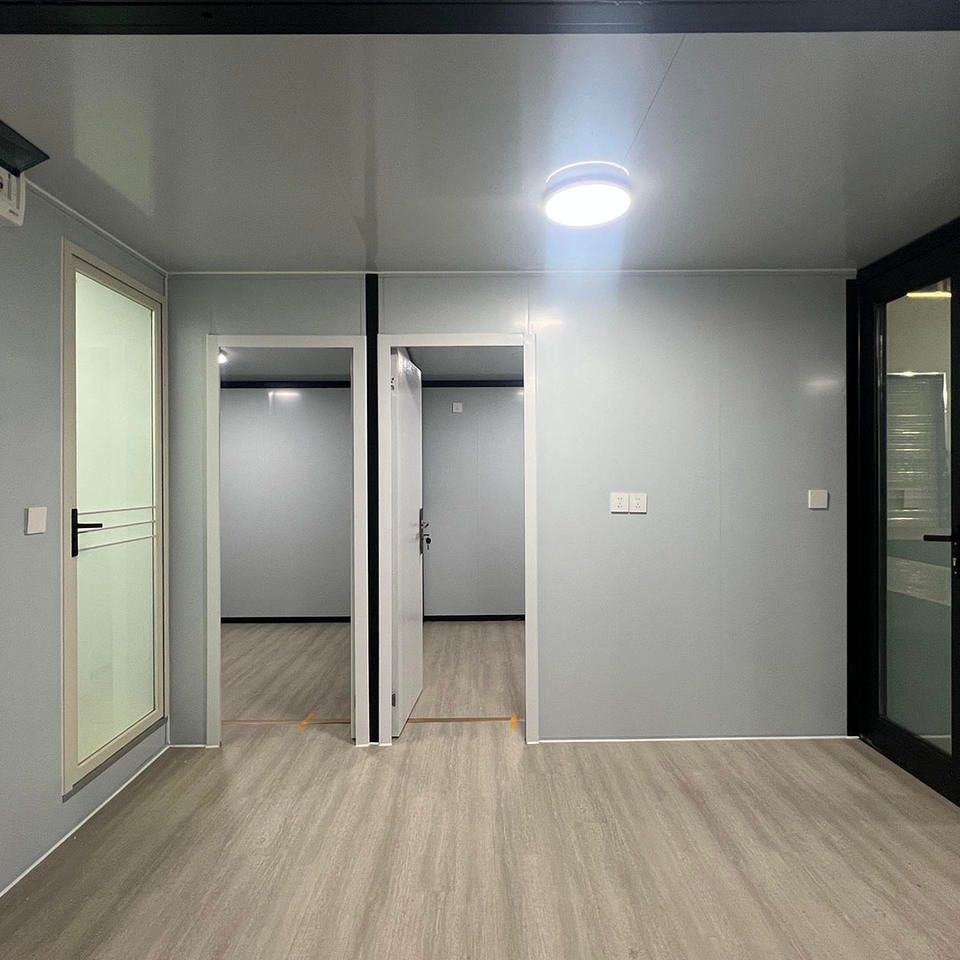
In addition, there are prefabricated mobile restrooms with dimensions of 2.5m * 6.5m and divided into three areas. This larger specification of prefabricated mobile restrooms offers more comprehensive functions, meeting the diverse needs of different people in various scenarios. For example, different functional areas such as men's restrooms, women's restrooms, and barrier-free restroom stalls can be set up, providing users with a more comfortable and convenient restroom environment.



