
Anti-corrosion Function of Mobile Toilets
The anti-corrosion function of mobile toilets is primarily achieved through the use of special materials, process treatments, and structural designs, effectively resisting erosion from outdoor environments and extending service life.
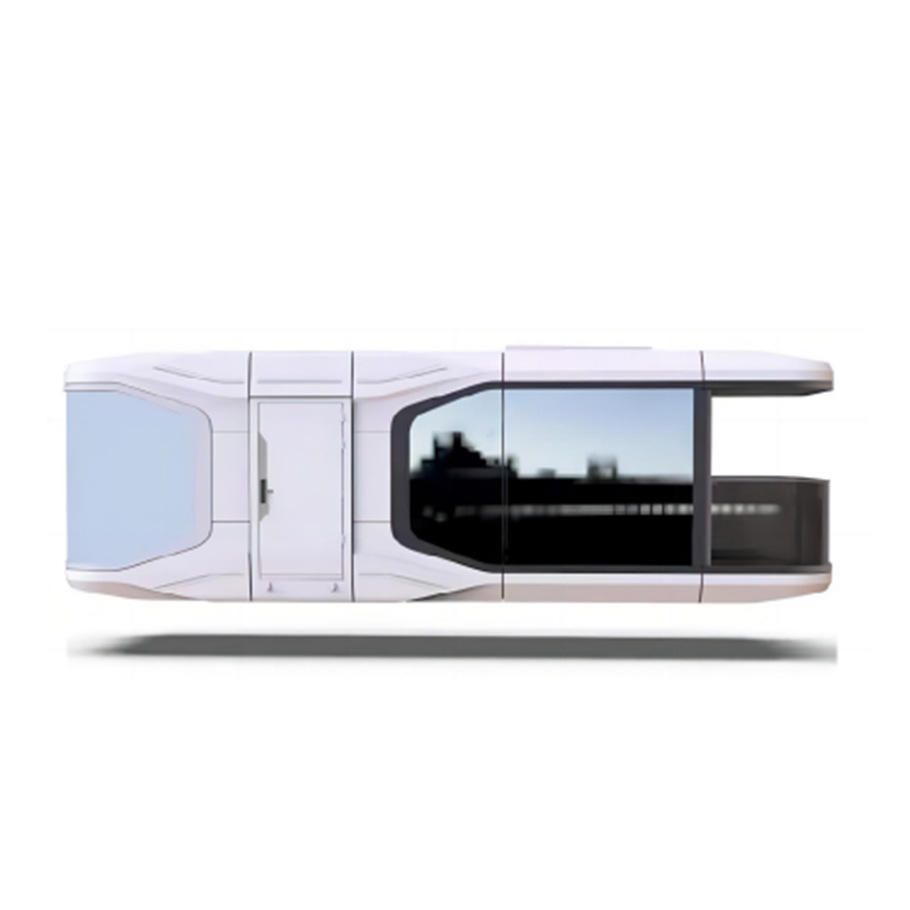
1. Material Selection: Anti-corrosion materials are fundamental
The main structures of mobile toilets often utilize materials such as color-coated steel sheets, galvanized steel sheets, or metal carved panels. The outer layer of color-coated steel sheets is treated with a special coating to isolate corrosive substances like rainwater and salt spray, delaying the oxidation of the metal substrate. Galvanized steel sheets form a physical barrier with a zinc layer, which corrodes preferentially over the steel, extending the structural lifespan. Metal carved panels enhance corrosion resistance through antioxidant coatings, making them particularly suitable for coastal or high-humidity areas. The selection of these materials reduces corrosion risks at the source.
2. Process Treatment: Strengthening surface protection
Some material surfaces undergo anti-UV coating treatments to reduce fading and aging caused by direct sunlight, while smooth materials are less prone to dirt accumulation, lowering maintenance difficulty. For example, the coating on color-coated steel sheets reflects UV rays, preventing material embrittlement; the surface of metal carved panels is polished or sprayed to form a dense protective layer, reducing water penetration. These processes further enhance the materials' anti-corrosion capabilities.
3. Structural Design: Reducing corrosion incentives
The pointed roof design of mobile toilets accelerates rainwater drainage through sloped surfaces, preventing local corrosion caused by water accumulation. Internal facilities such as toilets and sinks are made of stainless steel, which is resistant to acids and alkalis and easy to clean, reducing cleaning frequency. The sewage pipes are designed to prevent blockages, avoiding the growth of corrosive microorganisms from residual sewage. Additionally, sealed designs prevent external moisture intrusion, further protecting the internal structure.
4. Practical Performance: Long-term outdoor applicability
The anti-corrosion design enables mobile toilets to be exposed to outdoor environments for extended periods, reducing the risk of structural damage caused by rust. For example, models combining metal carved panels with rock wool can have a service life of over 15 years, far exceeding the 5-8 years of ordinary panels. This characteristic makes them ideal choices for scenic spots, construction sites, temporary events, and other scenarios, offering both durability and low maintenance.



