
Anqiu Prefabricated Houses
Anqiu prefabricated houses mainly include two major types: modular villas/self-built homestay villas and prefabricated panel houses. Here is a detailed introduction:
Modular Villas/Self-built Homestay Villas The main structure uses Q235 or Q345 light steel keels, with rock wool or polyurethane insulation layers filled in the walls. It has an earthquake resistance rating of up to 8 degrees of fortification and a wind pressure bearing capacity of ≥0.8kN/m². The prefabrication rate is generally between 70% and 90%. Its core advantages are reflected in three aspects:
- Efficient Construction and Environmental Protection: Components are produced in a standardized manner in factories, and dry construction is carried out on-site, with a construction period only one-third of that of traditional buildings. The material recycling rate exceeds 85%, reducing construction waste. It has excellent thermal insulation and sound insulation properties, reducing long-term energy consumption.
- Customization and Flexibility: It supports personalized appearance (such as imitation wood and stone textures) and functional layout designs, and can be adapted to scenarios such as rural residences, scenic area homestays, and camping base facilities, meeting the needs of sample houses for cultural and tourism projects or temporary office spaces.
- Cost and Configuration: The unit construction cost is approximately 1800-3500 yuan/m² (including foundation, main structure, and interior and exterior decoration). Products with high-end customization or integrated smart systems (such as temperature control and security) can cost more than 4000 yuan/m².
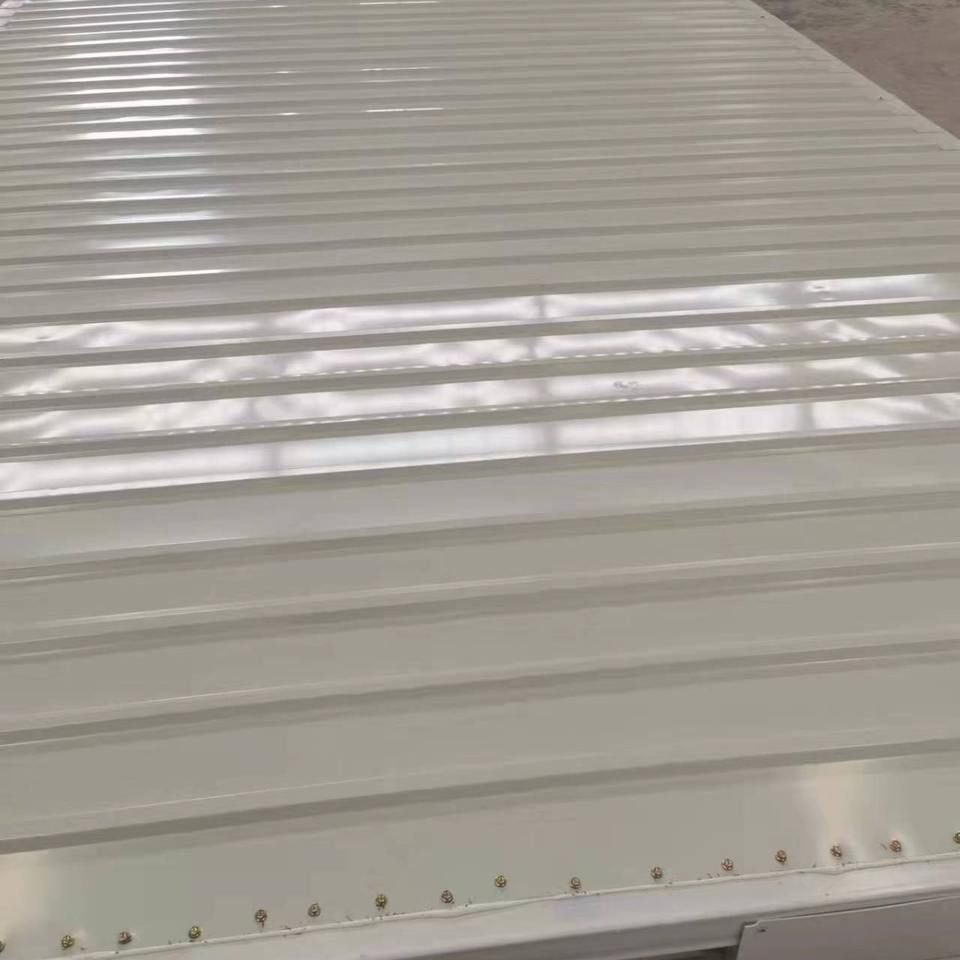
Prefabricated Panel Houses Represented by Jinling Light Steel Structure Co., Ltd., its metal carved panel houses use environmentally friendly raw materials and have the following characteristics:
- Comprehensive Performance: They offer thermal insulation, waterproofing, fire resistance, light weight, earthquake resistance, convenient construction, and sound insulation and noise reduction, meeting green building standards.
- Application Scenarios: They are suitable for temporary or low-cost demand scenarios, such as construction site dormitories, emergency shelters, and storage houses, combining aesthetics with durability.
Differences between the Two Types of Houses: Modular villas are positioned in the mid-to-high-end market, emphasizing personalization and long-term use value. Prefabricated panel houses focus on rapid deployment and cost-effectiveness, and are mostly used for short-term or functional scenarios. When choosing, a comprehensive assessment should be made based on the budget, purpose, and performance requirements.



