
American Mobile Public Toilets
American mobile public toilets are public sanitation facilities that emphasize flexibility and convenience, aiming to meet temporary urban sanitation needs. The following provides an introduction from aspects such as design philosophy, practical applications, technological integration, and impacts on public life:
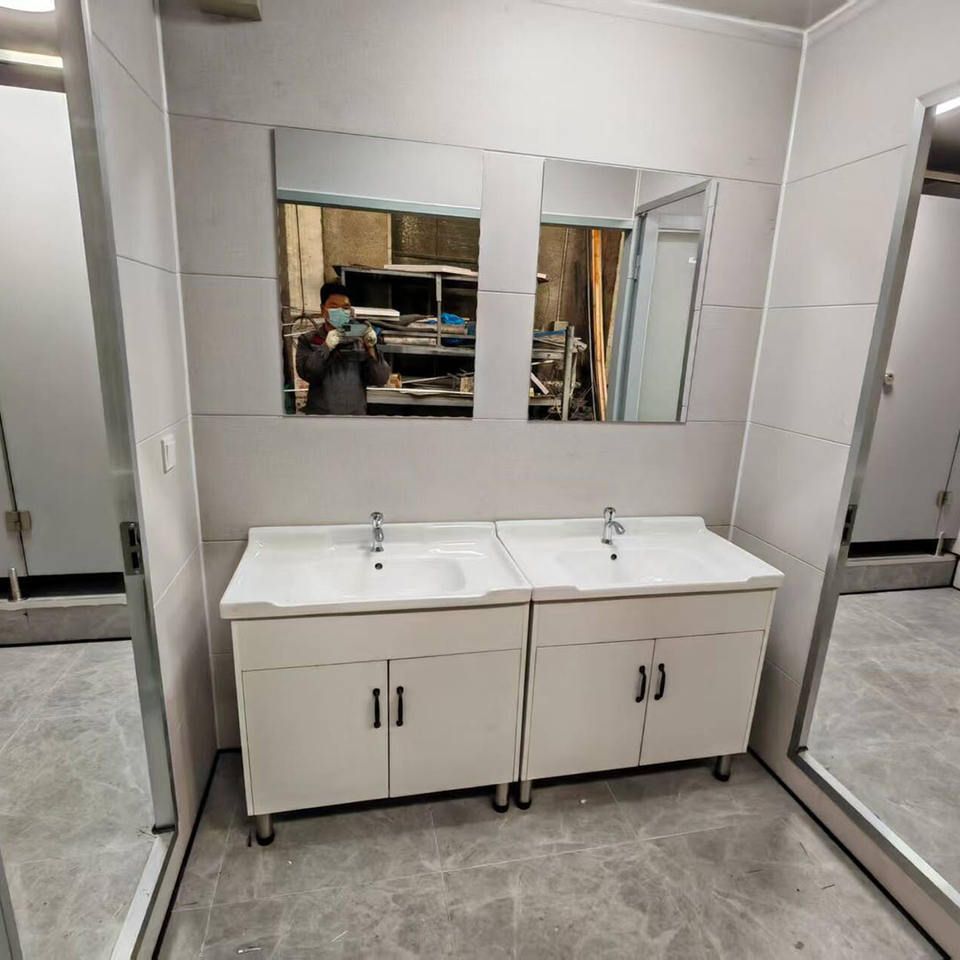
Design Philosophy and Characteristics: The core of American mobile public toilet design lies in rapid deployment and flexible adaptation. Their relatively simple structure and lower cost allow for quick placement in high-traffic areas such as city centers, parks, and large event venues, effectively alleviating the pressure on fixed public toilets. This “on-demand” characteristic makes them an efficient solution for addressing temporary sanitation needs.
Practical Applications and Environmental Features: Mobile toilets have been widely adopted in major cities across the United States, providing critical sanitation services to citizens, especially during holidays or special events. Their manufacturing materials are primarily eco-friendly, and they incorporate multiple energy-saving technologies: for example, the use of energy-efficient lighting reduces energy consumption, while water circulation systems and low-flow flushing devices minimize water waste. Some models further reduce environmental impact by using solar power, reflecting a green design philosophy.
Technological Integration and Smart Trends: Modern mobile toilets integrate various smart technologies, significantly enhancing user experience and management efficiency. Automatic sensor flushing systems prevent contact contamination, smart lighting controls adjust brightness based on ambient light, and remote monitoring systems enable real-time tracking of equipment status, cleaning needs, and usage frequency. These technologies not only optimize user convenience but also reduce operational costs through data-driven management.
Impact on Public Life: The widespread adoption of mobile toilets has significantly improved urban public sanitation services. Their flexible deployment ensures that citizens have convenient access to sanitation facilities during peak travel periods or at temporary event venues, indirectly enhancing the city's overall image. Furthermore, the promotion of mobile toilets reflects innovative investments by urban managers in public sanitation infrastructure. For instance, an incident in Kansas City where a man was trapped beneath a mobile toilet seat, although an isolated case, prompted relevant departments to optimize equipment safety designs.
It is worth noting that American mobile public toilets have been nicknamed the “American Beehive” due to anecdotes shared by netizens, a moniker that reflects their appearance or characteristics of dense usage scenarios.



