
Aluminum Panel Portable Toilet
An aluminum panel portable toilet is a mobile sanitation facility that uses aluminum panels as the primary exterior material, featuring impact resistance, corrosion resistance, and customizable functions and sizes according to needs.
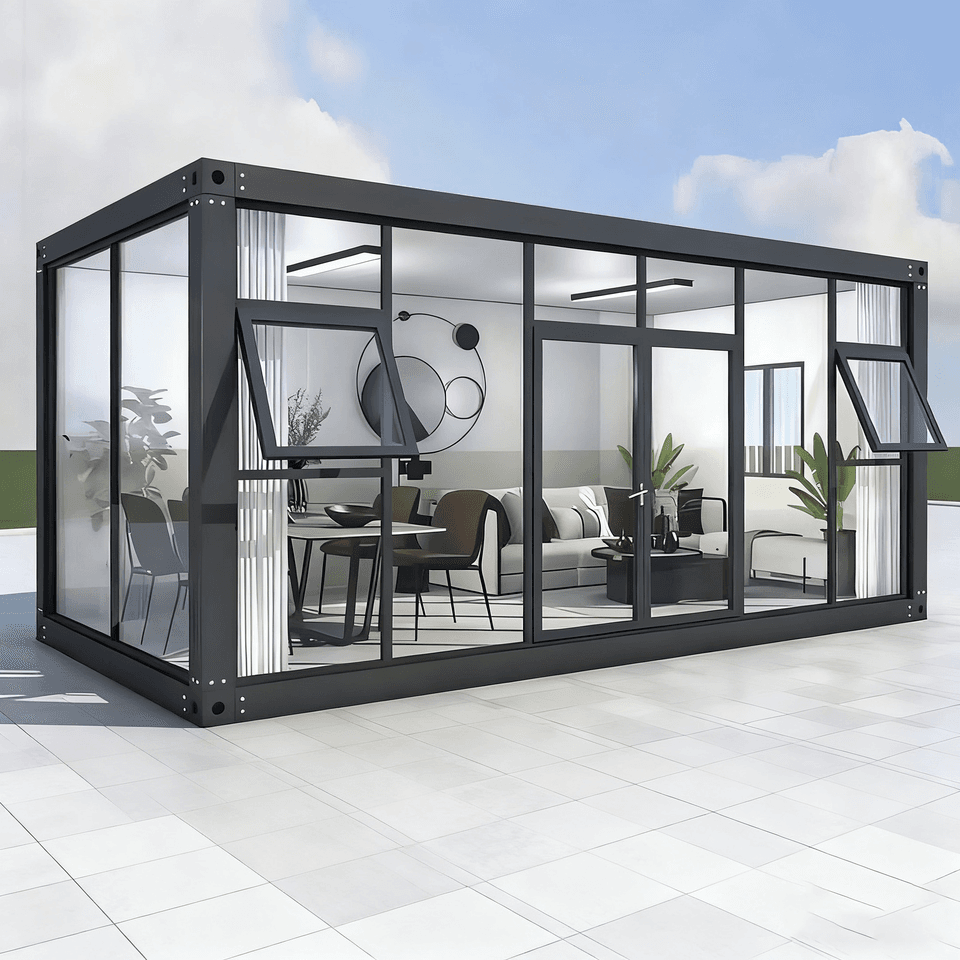
Exterior Material Characteristics
As the core exterior material, aluminum panels offer significant physical and chemical advantages. After undergoing oxidation, spraying, and other processes, their surfaces form a dense protective layer that effectively resists environmental erosion from ultraviolet rays and acid rain, with corrosion resistance superior to ordinary metal panels. Additionally, aluminum panels have high structural strength and outstanding impact resistance, capable of withstanding minor collisions or external forces, reducing the risk of deformation caused by external impacts. Moreover, aluminum panels are lightweight, facilitating easy transportation and installation, making them suitable for the flexible deployment requirements of portable toilets. Besides aluminum panels, exterior materials can also include aluminum-plastic panels, metal carved panels, or hollow tempered glass: aluminum-plastic panels are cost-effective but have slightly weaker durability; metal carved panels combine decorative and thermal insulation properties; hollow tempered glass is suitable for scenarios requiring natural lighting but requires additional consideration for privacy protection design.
Frame and Internal Configuration
The frame structure of an aluminum panel portable toilet typically employs galvanized steel pipes, forming a stable support system through welding or bolt connections. The galvanizing process prevents steel corrosion, extending the overall service life. The internal configuration focuses on functionality, with standard features including ventilation fans, lighting systems, squat toilets (or sit toilets), and sinks as basic sanitation facilities. Ventilation fans maintain internal air circulation through forced ventilation, reducing odor accumulation; lighting systems mostly use LED fixtures, balancing energy efficiency and brightness requirements; squat toilets are usually connected to septic tanks or sewage tanks, with some high-end models equipped with microbial degradation or vacuum suction systems for harmless fecal treatment.
Customized Design
Aluminum panel portable toilets support in-depth customization of size, function, and fecal treatment methods. In terms of size, dimensions can be adjusted according to usage scenarios (such as tourist attractions, construction sites, temporary events), with individual toilet areas typically ranging from 2 to 6 square meters. Functional expansions include adding barrier-free facilities (such as handrails, low-position sinks), maternal and child care stations, air conditioning systems, or intelligent monitoring modules. Fecal treatment methods offer diverse options: small toilets can adopt manual regular cleaning; medium to large projects can be equipped with integrated sewage treatment equipment for compliant discharge; in arid regions, packaged toilets can be selected, collecting feces in biodegradable bags to reduce water consumption.
With their material advantages and flexible configurations, aluminum panel portable toilets have become a preferred solution for public area sanitation facilities, especially suitable for scenarios with high requirements for durability and mobility.



