
Air Tightness Requirements for Container Houses
The air tightness requirements for container houses vary depending on different types and standards, primarily divided into regular testing requirements, high-end customization requirements, and requirements related to the air tightness performance grades of warehouses.
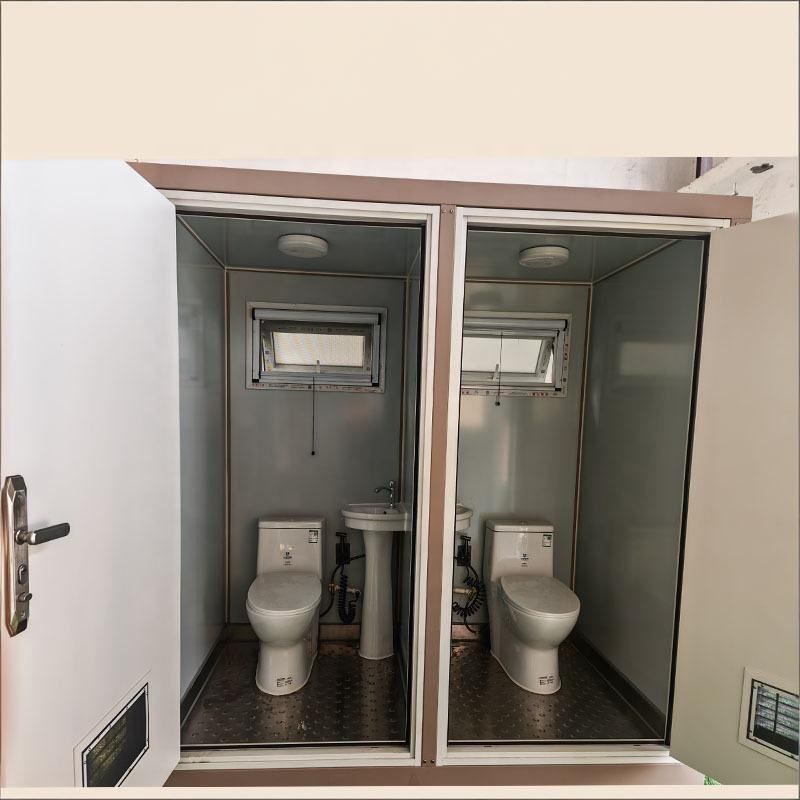
Regular Testing Requirements:
Container houses need to undergo air tightness tests annually, which is a crucial step to ensure their long-term performance and safety. During testing, a pressure of 0.5 bar is applied inside the house and maintained for 10 minutes. If the pressure drop is less than 10% during this period, it indicates that the house meets regular air tightness requirements. This standard is applicable to most container houses used for general purposes, effectively preventing the intrusion of external air, moisture, etc., and ensuring the stability of the internal environment.
Air Tightness Requirements for High-End Customized Container Houses:
For high-end customized container houses, the air tightness requirements are more stringent, needing to meet the air tightness grade 8 standard, i.e., q1 ≤ 0.5 m³/(m·h). This indicator means that the amount of air passing through a unit length of gap within a unit time does not exceed 0.5 cubic meters, reflecting extremely high sealing performance. High-end customized container houses are typically used in places with extremely high environmental control requirements, such as laboratories and storage of precision instruments. Therefore, their air tightness design needs to meet higher standards to ensure precise control of the internal environment.
Requirements Related to the Air Tightness Performance Grades of Warehouses:
The air tightness performance grade of warehouses is an important indicator for measuring the sealing performance of warehouse buildings and is divided into different grades according to industry standards. Each grade corresponds to specific air tightness parameters and applicable scopes, but the specific values of air tightness performance indicators (such as x1, x2, x3) need to be determined according to actual standards and testing methods. These indicators usually involve parameters such as air infiltration volume and gap width of the house under different pressure conditions and are key bases for evaluating the air tightness performance of warehouses. When container houses are used as warehouses, they need to be evaluated for air tightness performance grades according to relevant industry standards to ensure they meet the environmental control requirements for stored items.



