
Volver al blog
Artículo
Advantages and Disadvantages of Prefabricated Concrete Houses
Admin 18 de septiembre de 2026
The advantages of prefabricated concrete houses include fast construction speed, low cost, environmental friendliness, good safety, and convenient installation; the disadvantages include quality risks, poor sound insulation and waterproofing, safety issues, cost fluctuations, and design limitations.
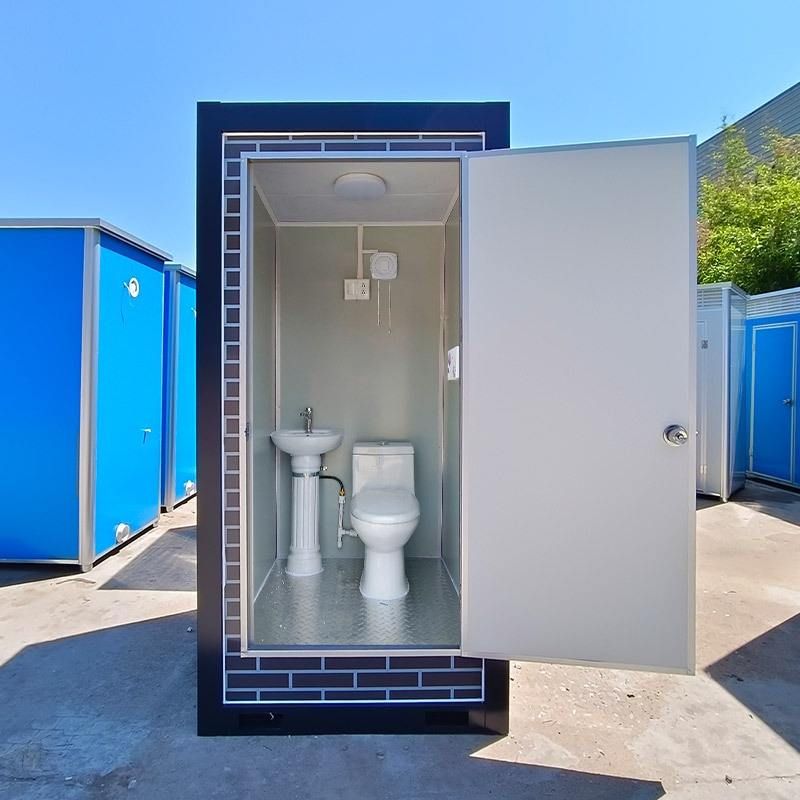
Advantages:
- Fast Construction Speed: The components of prefabricated concrete houses are manufactured in advance in factories and assembled on-site like building blocks, which is 60-70% faster than traditional house construction and can significantly shorten the construction period.
- Low Cost: The main structure is about 30% cheaper than that of brick houses, allowing ordinary families to save 30,000 to 50,000 yuan. Factory production reduces material waste, and post-construction maintenance costs are 40% lower than those of traditional houses. Additionally, as industrial products, prefabricated panels can be mass-produced, further reducing costs.
- Outstanding Environmental Friendliness: The recycling rate of construction waste reaches 40%, and carbon emissions are reduced by half. Some projects have obtained international environmental certifications, aligning with the trend of green building development.
- Good Safety: The factory-prefabricated error does not exceed 2 millimeters, and the houses can withstand an 8-magnitude earthquake in seismic tests, with less overall settlement than ordinary houses. User feedback indicates that the structural stability remains good after three years of use, with strong durability and seismic resistance.
- Convenient Installation: Prefabricated panels are manufactured in advance according to the required dimensions, eliminating the need for on-site processing, making them suitable for ordinary people without professional construction skills and lowering the construction threshold.
Disadvantages:
- Quality Risks: If construction is not standardized, there is a 7% probability of foundation settlement or wall cracks within five years, with higher risks in low-temperature construction environments. Some manufacturers may reduce the amount of steel or use inferior cement to cut costs, resulting in substandard quality of prefabricated panels.
- Poor Sound Insulation and Waterproofing: The sound insulation effect of 10-centimeter-thick prefabricated panels is insufficient, and the water leakage rate at joints is nearly twice that of traditional buildings, requiring regular leak-proofing treatments. Gaps between panels can easily allow rainwater to penetrate and corrode the steel.
- Safety Hazards: Even minor earthquakes can cause house collapse; if installation is improper or structural calculations are inaccurate, collapse risks may arise due to uneven force distribution.
- Cost Fluctuations: After the price of cement rises, prefabricated houses are only 5% cheaper than traditional buildings, and transportation costs in remote areas may account for 5% of the total cost, weakening their economic advantages.
- Design Limitations: Currently, they are only suitable for buildings up to two stories high. The exterior facade is prone to color differences, with a color difference rate of 15-20% after five years, requiring frequent maintenance.
Relacionados



