
Advanced Portable Toilet Outdoor
Advanced portable toilets for outdoor use have a variety of features, types, price ranges, and structural forms, designed with principles of convenience, durability, and environmental protection in mind.
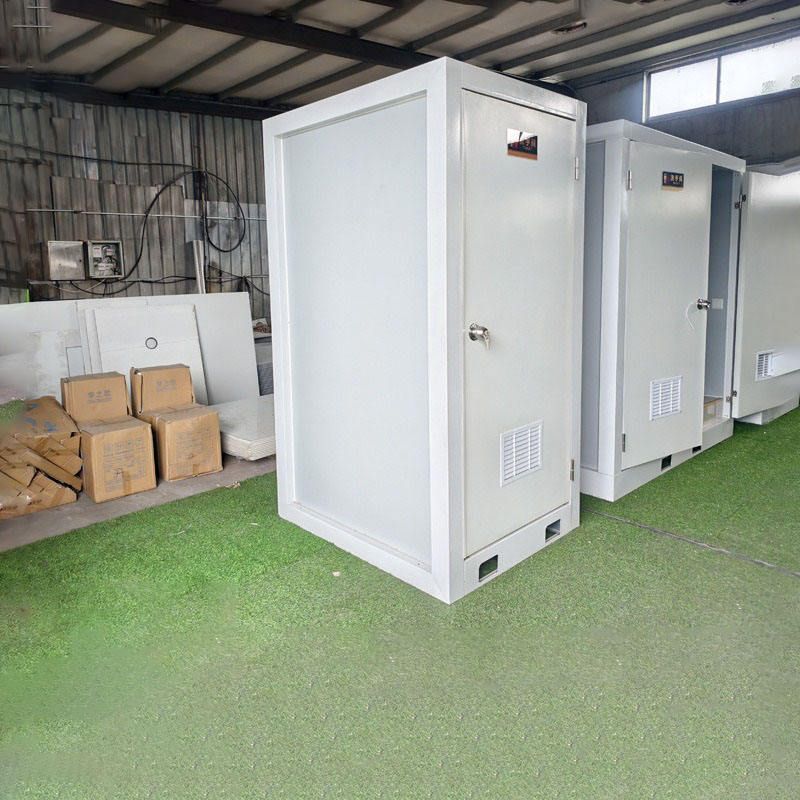
I. Features and Types
Advanced outdoor portable toilets typically feature mobility, modular combination, and rapid deployment, making them suitable for scenic spots, construction sites, temporary events, and other scenarios. For example, the 6-stall Apple Pod portable toilet adopts an Apple Pod design, with color options of red or premium gray, and a steel-structured toilet door for enhanced durability. Its design balances aesthetics and practicality, meeting the aesthetic needs of different environments.
II. Price Range
Prices vary significantly depending on configuration and functionality. For instance, the high-end outdoor portable toilet (including a shower room and export capability) from Jiangsu Huijue Door and Window Technology Co., Ltd. is priced at 8,600 yuan; the container-type integrated public toilet from Suqian Sucheng Public Facilities Co., Ltd. is priced at 5,900 yuan. Price differences primarily stem from factors such as materials (e.g., steel structures, eco-friendly panels), additional features (shower rooms, smart systems), and export standards.
III. Structural Forms and Classifications
- By structural form: Divided into single-unit structures (independent units) and composite structures (multi-module combinations), with the latter expandable into multiple stalls or functional areas.
- By mobility method: Includes lifting/handling types (requiring mechanical equipment for assistance) and powered/trailer types (self-powered or towable for transportation), adapting to different terrains and transportation conditions.
- By sewage treatment method:
- Water-flush and non-water-flush suction types: Rely on septic tanks or suction trucks for fecal matter treatment, requiring regular maintenance.
- Recirculating water-flush types: Utilize biodegradation or filtration technology to achieve water resource recycling, reducing water consumption.
- Dry-pack types: Use biodegradable bags to collect fecal matter, requiring no water source, suitable for water-scarce areas.
IV. Core Components and Design Principles
Portable toilets consist of fecal sewage storage tanks (or treatment devices), flooring, sanitary fixtures, walls, washing equipment, water tanks, roofs, and mobility devices. Design should adhere to the following principles:
- Mobility convenience: Lightweight materials and modular structures reduce transportation difficulty.
- Economic durability: Selection of corrosion-resistant and rust-proof materials (e.g., stainless steel, galvanized steel) extends service life.
- Environmental ecology: Adoption of water-saving technologies, biodegradable materials, and harmless treatment devices minimizes environmental impact.
- Enhanced efficiency: Optimization of internal layout (e.g., barrier-free design, ventilation systems) improves user experience.



