
Volver al blog
Artículo
Advanced Container Module House
Admin 16 de septiembre de 2026
An advanced container module house is a building form that disassembles a complete house into standardized modules, completes most of the construction processes in a factory, and then transports them to the site for rapid assembly.
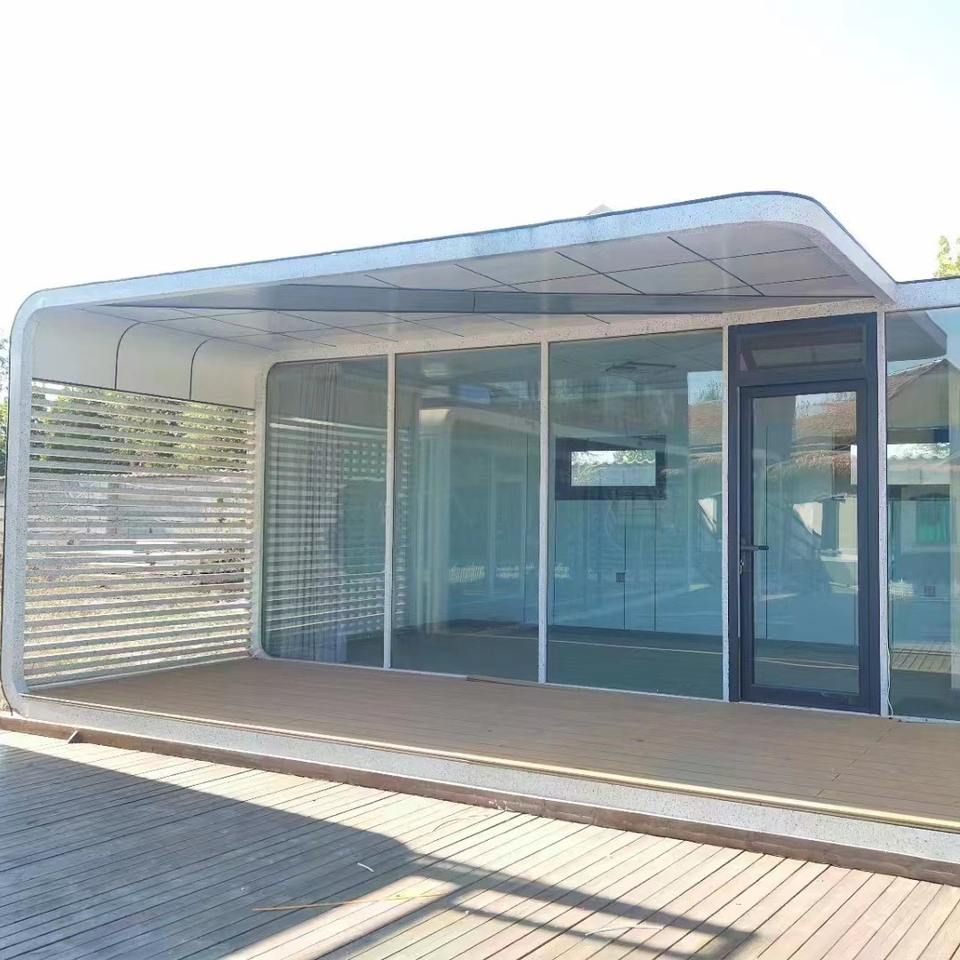
I. Construction Mode
- Factory Prefabrication: The entire building is divided into independent housing modules, and most of the processes, including the main structure, water and electricity pipelines, bathroom waterproofing, bathroom fixtures, cabinets, and wardrobes, are completed on the factory assembly line. For example, a structural modular intelligent factory in Guangdong has a fully automatic production line over 400 meters long that operates continuously. Welding, assembly, and grinding robots work in coordination, with a daily output of up to 50 modules.
- On-site Assembly: The prefabricated modules are transported to the project site and assembled like building blocks to form a complete building. This parallel operation mode changes the traditional serial construction logic of building brick by brick on-site, allowing multiple processes to proceed simultaneously and shortening the construction period.
II. Performance Advantages
- Structural Stability: Some companies' container houses adopt a fully steel structural frame, with a wind resistance rating of up to Level 12 and an earthquake resistance rating of Level 8. The frame deformation rate is far below the industry's qualified threshold. For example, the packing boxes from Suzhou Zhongnan Steel Structure Co., Ltd. perform excellently under simulated extreme conditions.
- Environmental Protection and Energy Efficiency: Some products use a composite envelope structure with good thermal performance, reducing the risk of condensation and extending the service life of the steel structure. For example, the products from Baotou Xinxing Color Plate Steel Structure Manufacturing Co., Ltd. adopt a three-layer composite structure of "rock wool - air layer - aluminized zinc plate" with a low heat transfer coefficient.
III. Application Scenarios
- Temporary Buildings: Suitable for scenarios such as temporary offices, accommodations, and event support facilities, offering the advantages of flexible adaptation and controllable costs.
- Overseas Projects: Can meet the demands of overseas markets, with products exported to Australia, New Zealand, North America, and other places. For example, the modular houses customized by China Construction Integration Building Intelligent Manufacturing (Shenzhen) Co., Ltd. for Australia have received positive feedback from customers.
Relacionados



