
Volver al blog
Artículo
Activity Container House
Admin 17 de septiembre de 2026
Activity container houses are habitable or office buildings transformed from containers as their basic structural modules. They are characterized by environmental friendliness, flexibility, and low cost, but also face issues such as space and facility adaptability.
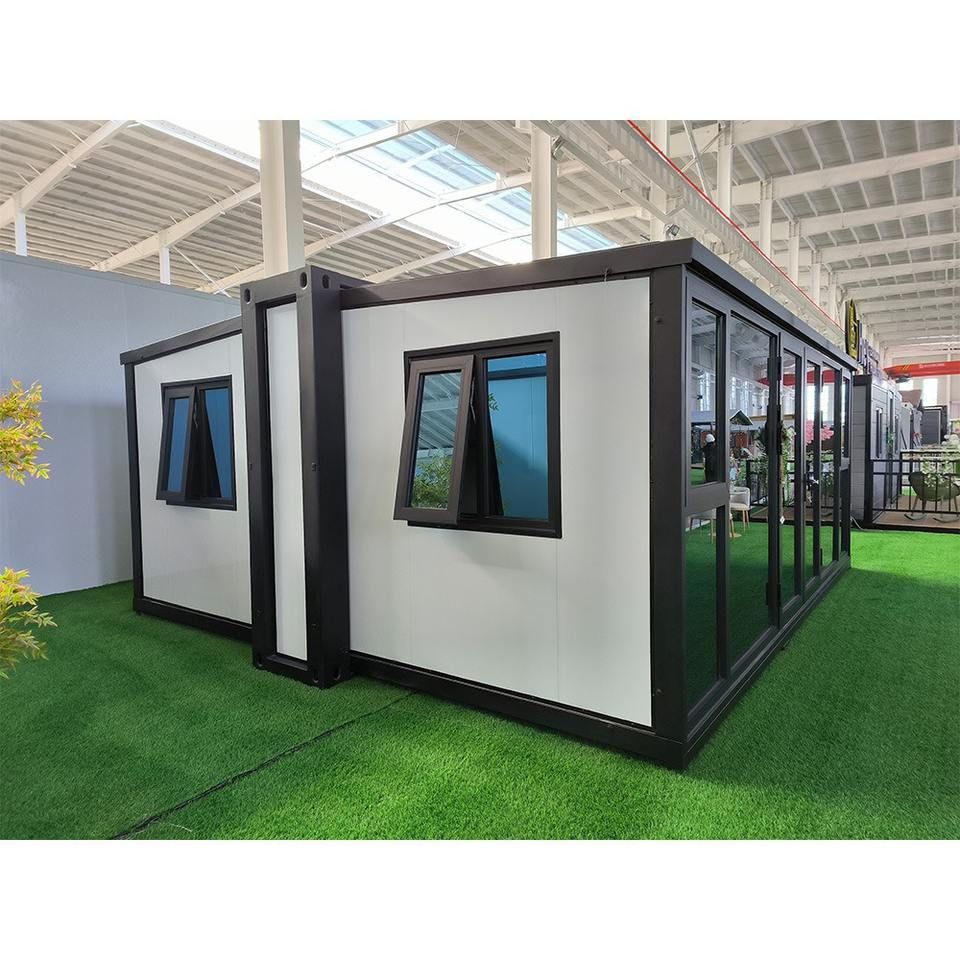
I. Basic Definition and Uses Activity container houses, also known as container houses or residential containers, are temporary or semi-permanent buildings formed through internal modifications (such as insulation, water and electricity installation, and door and window openings) based on standard containers as their structural foundation. Their core uses include:
- Temporary Residence: Commonly used as workers' dormitories on construction sites or as emergency housing after disasters (such as rapid resettlement after earthquakes and floods).
- Commercial and Creative Spaces: Transformed into homestays, 24-hour self-service fitness pods, cafes, etc., such as the container homestay scenic area in Zaozhuang, Shandong.
- Large-Scale Event Facilities: For example, the 2026 Nagoya Asian Games used container houses to build the Asian Games Village, reducing construction costs.
- Emergency Medical Services: In pandemics or disasters, container houses can be quickly deployed as temporary hospitals and testing sites.
II. Core Advantages
- Environmental Friendliness and Sustainability: Containers are recyclable, reducing construction waste; the modification process consumes less energy than traditional buildings.
- Flexibility and Portability: Modular design supports rapid assembly, disassembly, and relocation, adapting to different scenario needs.
- Cost-Effectiveness: Material and construction costs are low, especially suitable for projects with limited budgets (such as temporary housing and event venues).
- Technological Optimization: In recent years, improvements in insulation materials, solar power systems, and intelligent management (such as temperature control and security) have enhanced living comfort.
III. Existing Issues
- Insufficient Space and Facility Adaptability: Standard containers have fixed dimensions (6 meters long and 2.4 meters wide), resulting in cramped interior spaces that are difficult to meet special needs. For example, at the Nagoya Asian Games, an athlete who was 2.02 meters tall felt uncomfortable due to the bed length being only 1.95 meters.
- Infrastructure Defects: Some projects have issues such as water leakage and poor ventilation due to budget constraints or construction negligence. For instance, Korean athletes reported water leakage from sinks causing water accumulation.
- Limitations for Long-Term Use: Although technological optimization can improve durability, container houses are still more suitable for short-term or medium-term use, requiring additional maintenance for long-term residence.
IV. Typical Cases
- Nagoya Asian Games: Used container houses to reduce construction costs, but sparked controversy due to budget overruns and design flaws.
- Zaozhuang Homestay in Shandong: Transformed container houses into characteristic tourist attractions through creative modifications, demonstrating their commercial potential.
- Emergency Medical Applications: During the COVID-19 pandemic, many countries used container houses to quickly build makeshift hospitals, highlighting their emergency value.
Relacionados



