
20 Square Meter Container House
A 20-square-meter container house is a flexible, economical, and highly customizable living option, but attention must be paid to fire safety and proper usage.
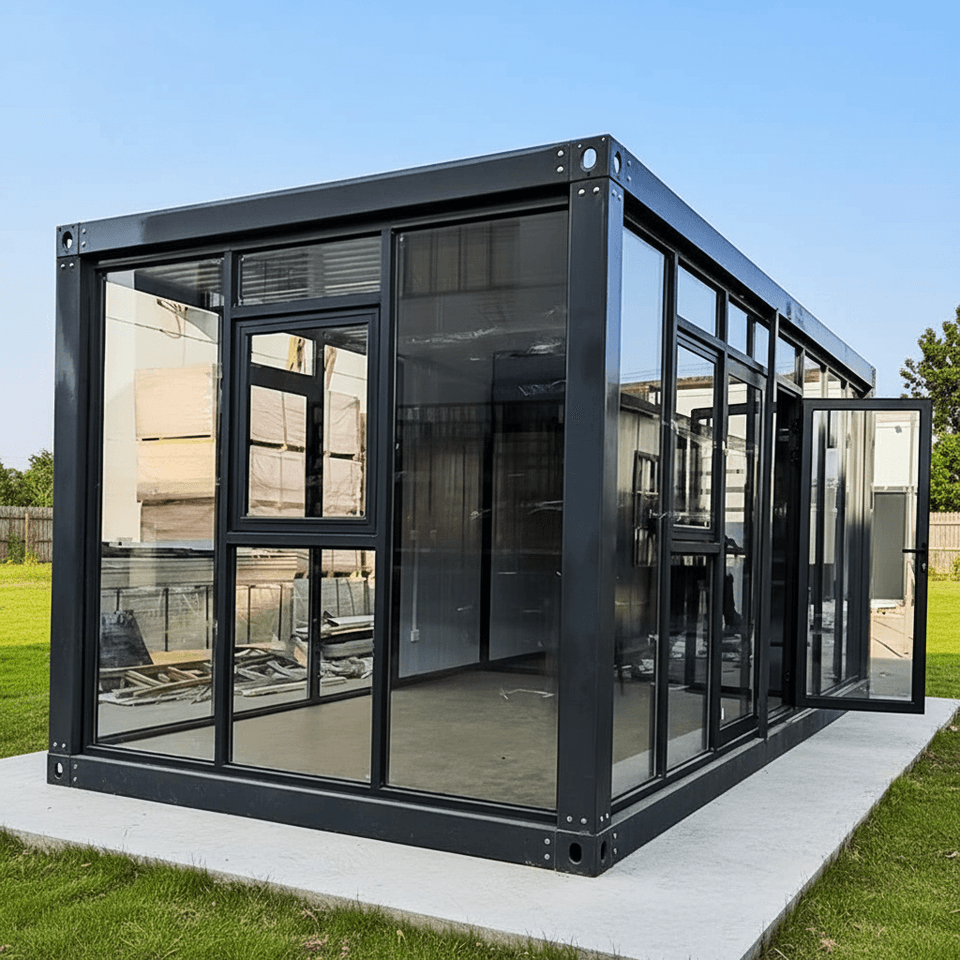
I. Common Uses and Basic Configurations
Due to its low cost and mobility, a 20-square-meter container house is widely used in scenarios such as construction site dormitories, field operation housing, temporary office spaces, tourist attraction housing, and rental housing. Its standard configuration typically includes an independent bathroom, shower room, bunk beds, tables and chairs, and an air conditioner, meeting basic living needs. Some renovated houses also add functional areas such as kitchens and living rooms to enhance living comfort.
II. Renovation and Optimization Plans
- Thermal Insulation: Wrapping the entire container with 5-centimeter-thick polyurethane foam material and using double-glazed windows can maintain an indoor-outdoor temperature difference of 8-10℃, effectively coping with extreme weather conditions.
- Spatial Planning: Through 'three-dimensional zoning' design, functional areas such as living rooms, bedrooms, and kitchens are arranged on the lower level, while the upper level is used for storage, maximizing the use of limited space.
- Energy System: A dual power system combining 220V mains electricity and solar power meets daily electricity needs while reducing electricity costs. The water supply and drainage system requires anti-freezing treatment, with PPR hot-melt pipes wrapped in insulation cotton for the water supply and sloped drainage pipes with inspection ports.
- Enhancing Living Quality: A fresh air system can be installed to improve air quality, and a smart home system can be configured for remote control. Personalized decorations can use eco-friendly materials such as diatomaceous earth walls and SPC stone-plastic floors, balancing aesthetics and health.
III. Safety Hazards and Preventive Measures
- Fire Risk: Some container houses use flammable sandwich materials such as polystyrene and polyurethane foam to reduce costs, which burn rapidly and produce toxic fumes in fires, easily leading to collapse and casualties. Preventive Recommendations: Prioritize the use of A-grade fire-resistant materials such as rock wool boards and fire-resistant cotton for the container body. Keep heat sources and open flames away from the house, protect wires with sleeves, use metal galvanized boxes for sockets and switch boxes and install them openly. Equip with simple firefighting equipment and maintain a minimum distance of 6 meters between houses to avoid unauthorized construction.
- Structural Safety: Long-term use or improper renovation may lead to structural deformation. Regular inspections of container connections and support components are necessary to ensure stability.
Through scientific renovation and standardized management, a 20-square-meter container house can balance economy and safety, becoming an excellent choice for temporary living.



