
Zigui Street Mobile Toilets (Actual Focus on 'Rest Stop' Public Toilets)
Although 'mobile toilets' are not explicitly mentioned on the streets of Zigui, multiple 'rest stop'-style public toilets have been constructed, offering more comprehensive functions and widespread distribution.
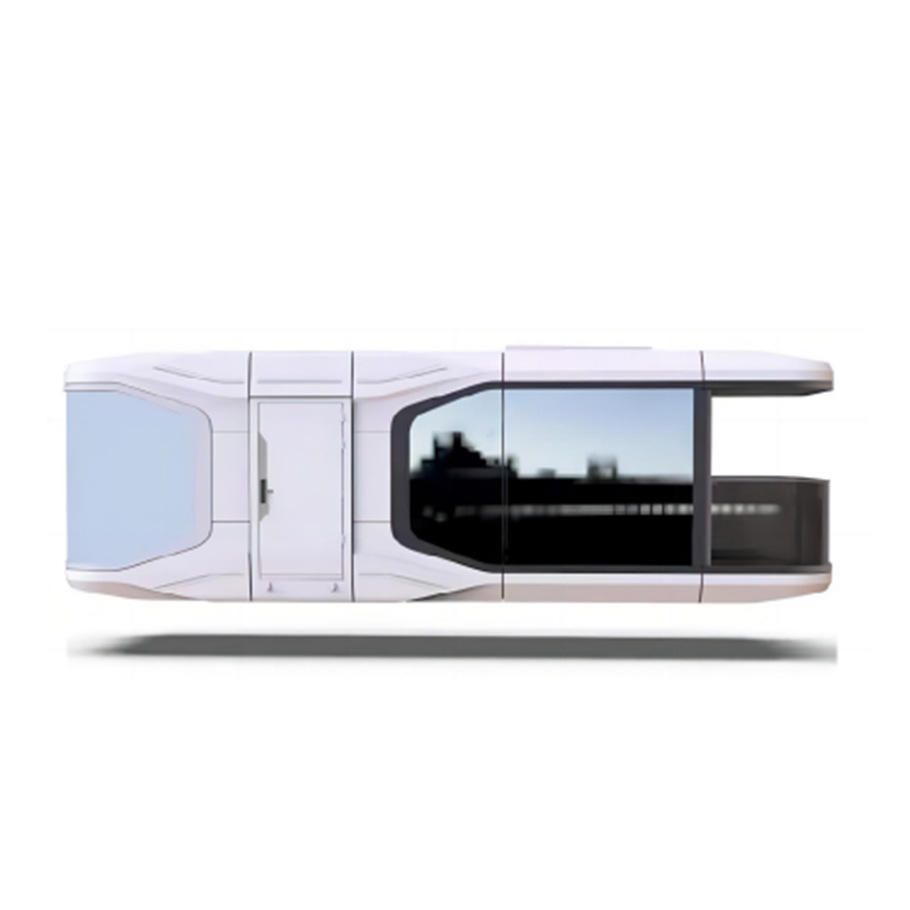
Zigui County has undergone a systematic upgrade in public toilet construction, focusing on developing 'rest stop'-style public toilets rather than traditional mobile toilets. These toilets exist as fixed structures, combining practicality with user-friendly design. For example, the 'rest stop'-style public toilet located beside the Ershui Plant at the Dragon Boat Base on Binhu Avenue in the county seat seamlessly integrates its exterior design with the surrounding environment, harmonizing with the urban landscape. Internally, the space is scientifically planned; in addition to regular men's and women's restrooms, there is a dedicated barrier-free area to meet the needs of special groups, and smart sensing facilities are installed to enhance convenience and hygiene levels.
Furthermore, the Zigui County Urban Management Bureau has renovated and upgraded existing public toilets, promoting their transformation into 'rest stop'-style facilities. As of now, five such toilets have been built in the urban area, along with nine accompanying rest pavilions for sanitation workers, forming a public service network covering key areas. These 'rest stop'-style public toilets not only provide basic restroom functions but also extend a range of convenience services: the urban rest stops are equipped with free Wi-Fi, charging ports, and other facilities, offering temporary rest and information inquiry support for citizens and tourists, further strengthening the role of public toilets as urban public service nodes.
From a planning perspective, Zigui County's choice of 'rest stop'-style public toilets over mobile toilets is mainly based on the following considerations:
1. Stability and Long-term Viability: Fixed structures avoid the high maintenance costs and unstable locations associated with frequent relocation of mobile toilets, making them more suitable for densely populated urban environments.
2. Functional Integration: Through modular design, 'rest stop'-style public toilets integrate functions such as restroom use, resting, charging, and internet services to meet diverse needs, whereas mobile toilets have relatively single functions.
3. Urban Image Enhancement: The exterior design of fixed public toilets can blend with the surrounding environment, becoming part of the urban landscape, while the temporary nature of mobile toilets may affect overall aesthetics.
Currently, public toilet construction in Zigui has adopted a model of 'fixed rest stops as the mainstay, supplemented by temporary facilities'. In the future, mobile toilets may be added in specific scenarios (such as large-scale events or temporary construction sites) according to actual needs, but at present, 'rest stop'-style public toilets remain the primary carriers of public services.



