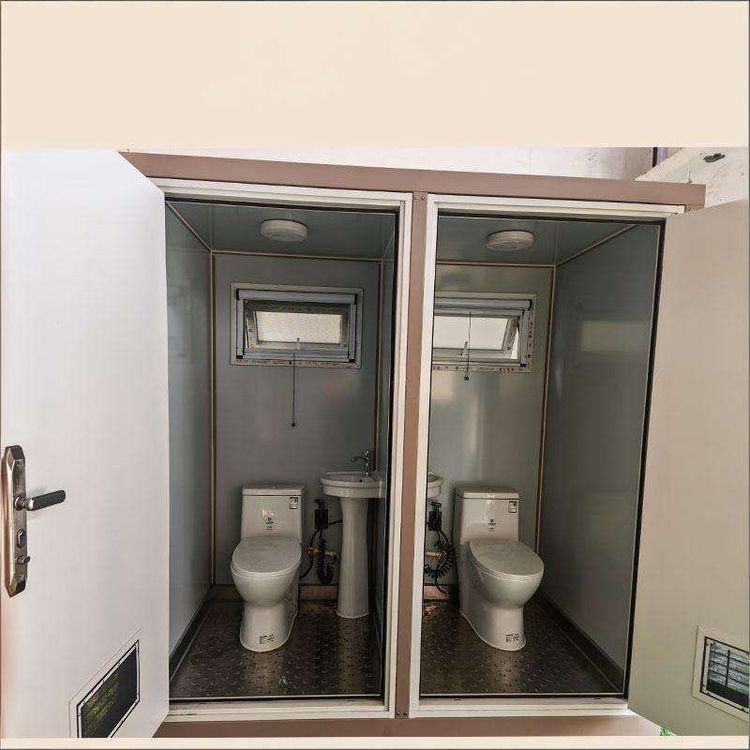
Zhuzhou Mobile Toilets
Zhuzhou mobile toilets come in a variety of types, and when renting services, it is essential to focus on the core capabilities of the service provider to ensure a satisfactory user experience.

Zhuzhou mobile toilets cover a wide range of types, including mobile toilets, eco-friendly toilets, container toilets, public toilets, tourist toilets, pit latrines, scenic area toilets, and outdoor toilets. These types can be flexibly selected based on the usage scenario. For example, tourist attractions are suitable for eco-friendly toilets or those with a high degree of landscape integration, while construction sites or temporary event venues tend to prefer durable steel or color-steel toilets. In terms of materials, common choices include steel structures, fiberglass, stainless steel, and aluminum alloys. Among them, steel structures are often used for long-term outdoor use due to their high strength and corrosion resistance; fiberglass is lightweight and has excellent waterproof performance, making it suitable for short-term events; stainless steel and aluminum alloys offer both aesthetics and durability, making them suitable for public places with high hygiene requirements.
Zhuzhou provides mobile toilet rental services covering marathons, concerts, music festivals, construction sites, and other scenarios. Rental equipment includes mobile restrooms, portable toilets, and temporary toilets. When renting, it is crucial to focus on the four core capabilities of the service provider: 1. Equipment inventory and scheduling capabilities: High-quality service providers need to have sufficient equipment inventory and be able to quickly schedule based on the scale of the event. For example, a large music festival requires the configuration of hundreds of toilet units in a short period, and the service provider needs to plan transportation routes and installation plans in advance to avoid on-site chaos due to insufficient equipment. 2. Cleaning and maintenance professionalism: Toilets need to be thoroughly disinfected after use, regularly inspected for equipment status, and equipped with spare equipment to handle unexpected failures. For example, construction site toilets, due to their high frequency of use, require daily cleaning and inspection of the sewage system to prevent blockages that affect usage. 3. Emergency response and after-sales support: Service providers should offer 24-hour customer support and commit to arriving on-site for repairs within one hour. For example, in a marathon event, if a toilet experiences a water supply failure, a quick response can prevent participants from waiting in long lines. 4. Service coverage and price transparency: Local service points can shorten response times, and price details should include all-inclusive costs such as transportation, installation, and cleaning to avoid hidden charges. For example, when renting for scenic areas, it should be clear whether the cost includes sewage truck fees to prevent later disputes.
When choosing a service provider, it is recommended to evaluate their strength through case studies, such as reviewing their records of serving large-scale events in the past or requesting equipment inspection reports to ensure that the toilets meet hygiene and safety standards.