Zhoushan Street Mobile Toilet Design
The design of mobile toilets for Zhoushan streets can refer to the product solutions of Yongkang Xincheng Steel Structure Engineering Co., Ltd., optimized by combining functional requirements and site characteristics. The specific design points are as follows:

1. Basic Specifications and Material Selection
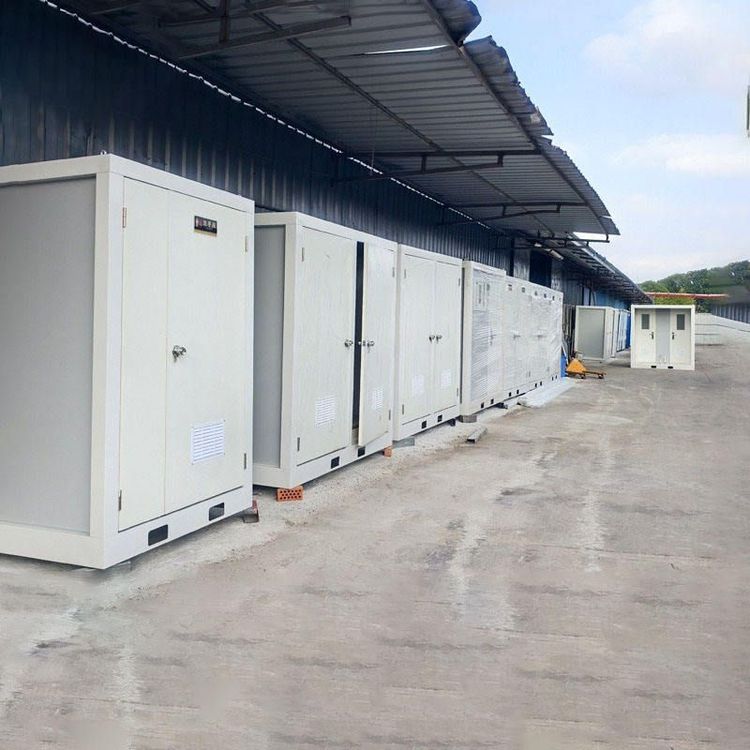
It is recommended to adopt a standard size of 2000x4000x2400 millimeters for the main body of the mobile toilet, which can meet the needs of single or double occupancy and is convenient for transportation and installation. The recommended material is metal carved panels, which are waterproof, corrosion-resistant, and impact-resistant, suitable for the coastal humid environment in Zhoushan. Additionally, surface texture treatment enhances aesthetics. For further durability, thermal insulation materials can be added to the inner layer of the metal panels to withstand extreme temperature variations from -35°C to 45°C.
2. Structural Form and Mobility
Depending on the street layout and frequency of use, either a single-unit structure or a composite structure can be selected:
- Single-unit structures are suitable for narrow areas or temporary events, being compact and flexible in movement;
- Composite structures can combine multiple functional units (such as men's and women's toilets, accessible stalls), suitable for long-term fixed use.
For mobility, hoisting-type or trailer-type options are recommended: - Hoisting-type toilets use top lifting rings for quick relocation, suitable for scenarios requiring frequent position changes;
- Trailer-type toilets are equipped with axles and towing devices, allowing for vehicle towing, suitable for long-distance mobility needs.
3. Sewage Treatment and Environmental Design
Based on the drainage conditions in Zhoushan streets, the following two treatment methods are recommended:
- Recirculating flush type: Utilizes biodegradation or chemical treatment technology for sewage purification and recycling, reducing water consumption, suitable for areas with power supply;
- Dry packing type: Uses biodegradable fecal bags to collect waste, eliminating the need for flushing facilities, suitable for temporary sites without drainage pipes, and facilitating easy post-use cleanup.
To balance environmental protection and cost, a solar power system can be installed to supply power to LED lights, exhaust fans, and other equipment, reducing energy consumption.
4. Supporting Facilities and User-Friendly Design
Basic configurations should include switches, LED lights, sinks, and barriers, with the following additional details:
- Install anti-slip floors and handrails inside to enhance safety;
- Set up ventilation windows or exhaust fans to maintain air circulation;
- Reserve advertising spaces or signage outside for guidance and management.
For tourist attractions or commercial streets, additional devices such as smart sensor flushing and automatic air fresheners can be installed to improve the user experience.
5. Cost-Effectiveness and Maintenance Convenience
The design should adhere to the principle of cost-effectiveness and durability, prioritizing standardized modular components to reduce processing costs and maintenance difficulties. For example, using detachable sinks and toilets facilitates regular cleaning and replacement; the surface coating of metal carved panels should have self-cleaning properties to reduce manual maintenance frequency.