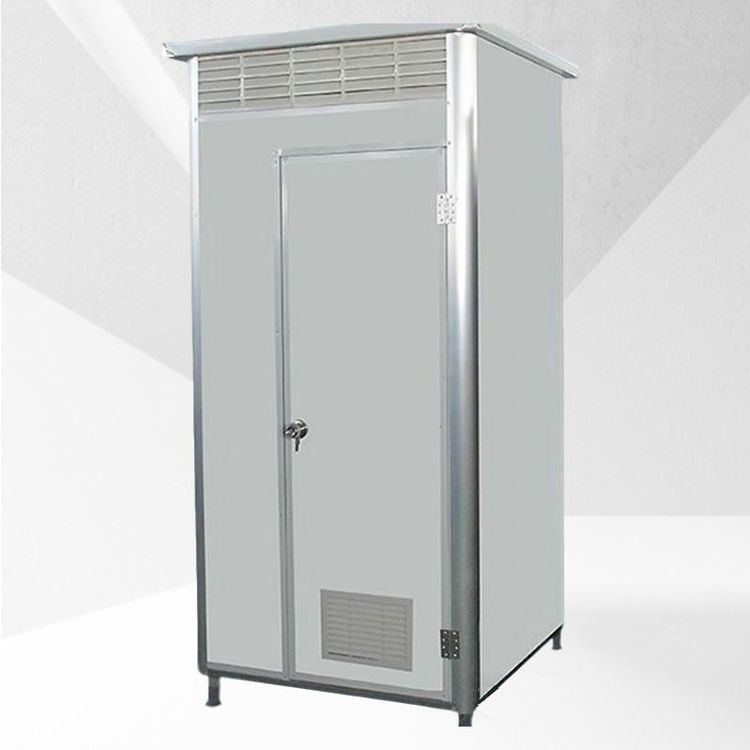
Zhoushan Outdoor Mobile Toilet Installation
The installation of outdoor mobile toilets in Zhoushan requires a comprehensive assessment of usage scenarios, geographical and climatic conditions, treatment technologies, as well as standardizing the installation process and selecting professional rental companies. Details are as follows:
I. Usage Scenario Assessment It is necessary to clarify the scale and duration of the event: For short-term festivals (e.g., with hundreds of participants), rapid deployment and removal are required, and lightweight, easy-to-install models should be prioritized; for long-term construction projects (e.g., with thousands of people over several months), durable and easy-to-maintain facilities are needed, and the stability of the waste treatment system must be ensured. At the same time, estimate the number of rental units based on usage frequency, such as providing one standard toilet for every 50 people, to avoid resource waste or shortage.
II. Adaptation to Geographical and Climatic Conditions Zhoushan is located along the coast, and the following factors need to be considered:
- Corrosion Resistance: The coastal wind contains a high salt content, so the external materials (such as stainless steel, high-density polyethylene) and internal hardware of the mobile toilets must have anti-corrosion capabilities to extend their service life.
- Freshwater Supply: If freshwater is limited at the site, water-saving or waterless flushing technologies (such as bagging or microbial degradation) should be selected to reduce dependence on water resources.
- Ground Conditions: Hard and flat ground allows for direct installation; soft sandy ground requires additional foundation reinforcement or platform construction to prevent equipment tilting or settling.
III. Selection of Treatment Technologies Weigh the options based on on-site conditions:
- Bagging Type: Collects waste in replaceable plastic bags, requires no water or electricity connection, and is suitable for extreme environments without infrastructure, but requires regular removal.
- Microbial Degradation Type: Uses bacteria to decompose organic matter, reducing odors and removal frequency, but is sensitive to ambient temperature (requires 5-40°C), and insulation measures need to be evaluated for winter in Zhoushan.
- Vacuum Suction Type: Water-efficient (only 0.5L per flush), but requires power equipment support, suitable for sites with complete water and electricity conditions.
IV. Standardization of the Installation Process
- Transportation Route Survey: Plan the passage routes for large vehicles in advance to avoid equipment being unable to reach the site due to narrow roads or height restrictions.
- Leveling and Fixing: After the units are in place, they need to be leveled to ensure comfort during use; in windy and rainy seasons, windproof fixing measures (such as ground anchors or weight blocks) should be taken.
- System Connection: When combining multiple units, quickly connect the pipes or collection systems to prevent leakage.
V. Selection of Professional Rental Companies
- Configuration According to Needs: Determine the rental quantity based on the number of people and site conditions to avoid over-configuration or shortage.
- Service Professionalism: Prioritize service providers that offer free on-site surveys and customized installation plans to ensure smooth equipment operation.
- Supporting Facilities: Confirm that the rental includes water and electricity connections (or mobile power sources), drainage systems, and regular cleaning services to reduce usage risks.