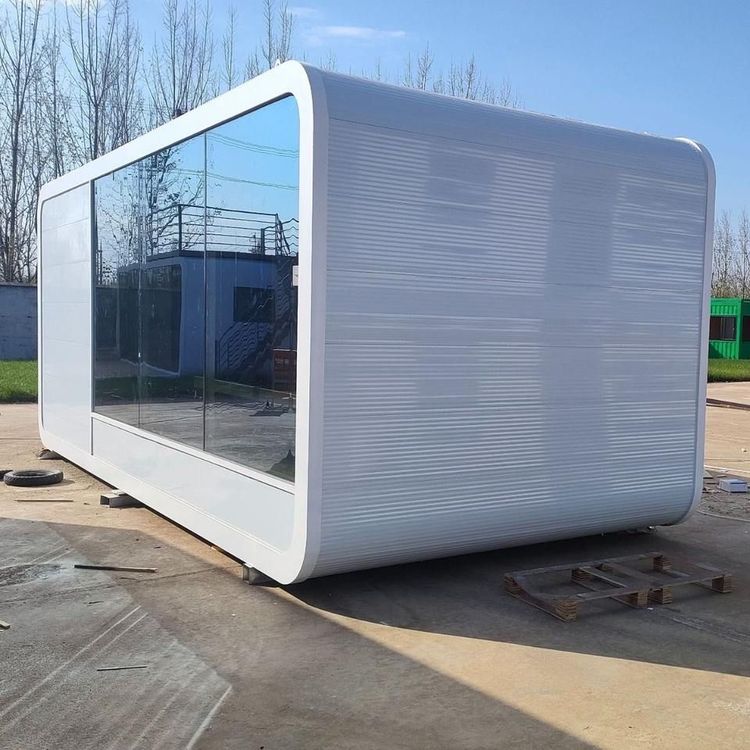
Zhoukou Cement Prefabricated House
Zhoukou cement prefabricated houses represent an innovative technology in the field of rural housing construction in Henan, characterized by speed, efficiency, and low cost, but they also have shortcomings in terms of design flexibility and performance.
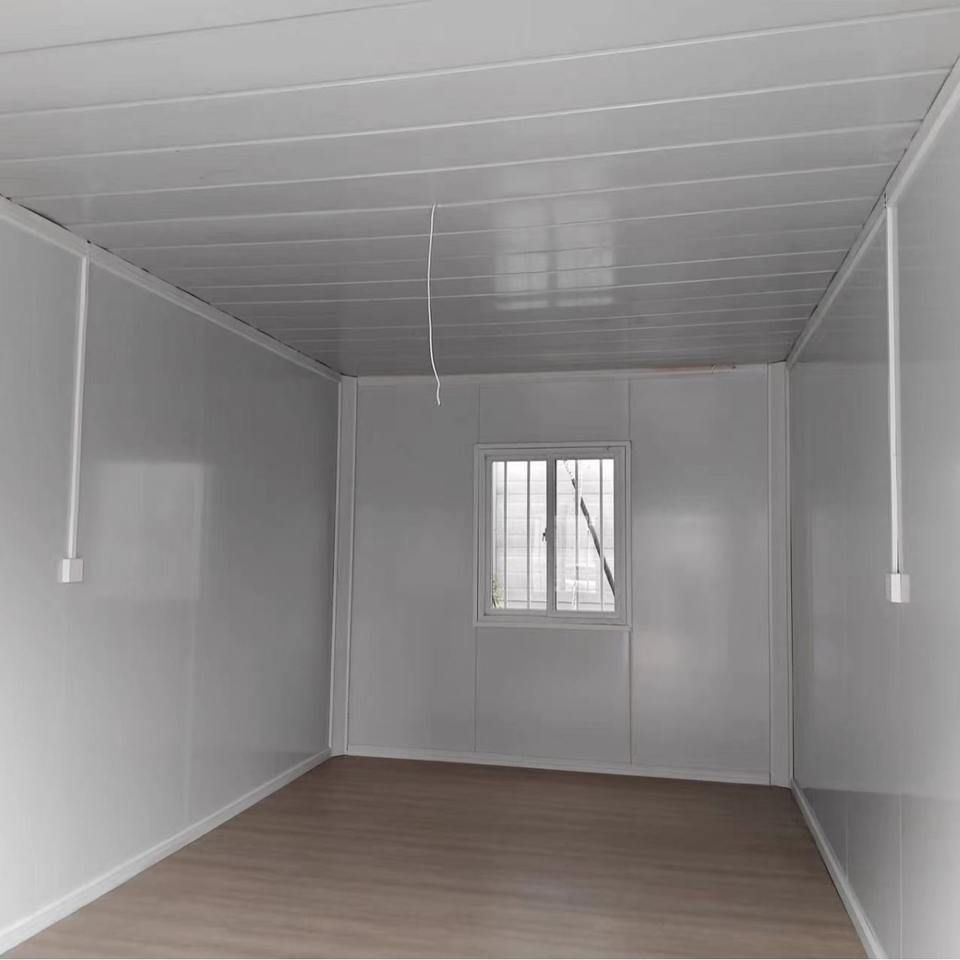
High construction efficiency: The construction process of Zhoukou cement prefabricated houses is similar to building with building blocks. After the prefabricated cement panel components are transported to the construction site, it only takes a few workers a mere four hours to assemble a villa, and it takes just two days to build an entire building. Compared with traditional construction methods, its efficiency is significantly improved, greatly shortening the construction period and enabling it to quickly meet the housing needs of farmers.
Obvious cost advantages: The cost per square meter is only a little over 300 RMB, and the cost of constructing a large villa is just over 100,000 RMB, far lower than the cost of traditional brick-and-concrete houses. Its cost is supported by three factors: materials, labor, and policies. The production cost of prefabricated components is approximately 220 - 250 RMB per square meter. Adding in the labor cost of about 50 RMB per square meter for transportation and on-site assembly, along with auxiliary materials such as cement and sand, the total cost can be controlled at around 300 RMB. Moreover, in some areas of Henan, the government provides subsidies of 5,000 - 10,000 RMB to farmers who build such cement houses, further reducing their construction costs.
Some shortcomings exist: On the one hand, the design may lack flexibility. Due to the assembly of prefabricated components, there may be certain limitations in the layout and styling design of the houses, making it difficult to meet the personalized needs of some farmers. On the other hand, the thermal insulation performance and the earthquake resistance in earthquake-prone areas need further research and improvement. In terms of thermal insulation, they may not achieve the same effect as traditional houses, and in cold or hot regions, they may affect living comfort. In earthquake-prone areas, their earthquake resistance may be inferior to that of traditional brick-and-concrete or frame-structured houses, posing certain safety risks.