Zhongwei Ecological Mobile Toilet Design
The design of Zhongwei ecological mobile toilets requires comprehensive consideration of multiple factors, including structural composition, design principles, material selection, sewage disposal methods, and applicable scenarios.

I. Structural Composition
The core structure of a mobile toilet includes a fecal sewage storage tank (or disposal unit), flooring, sanitary fixtures, walls, washing facilities, water tanks, roofs, and mobility devices. The storage tank must be airtight to prevent odor leakage while balancing capacity and cleaning cycle intervals. The flooring should be slip-resistant and easy to clean, typically using anti-slip tiles or composite materials. Wall materials should be lightweight and durable, such as color-coated steel sheets or metal carved panels. The roof design should be waterproof and easy to maintain, with options like lightweight metals or polymer materials.
II. Design Principles
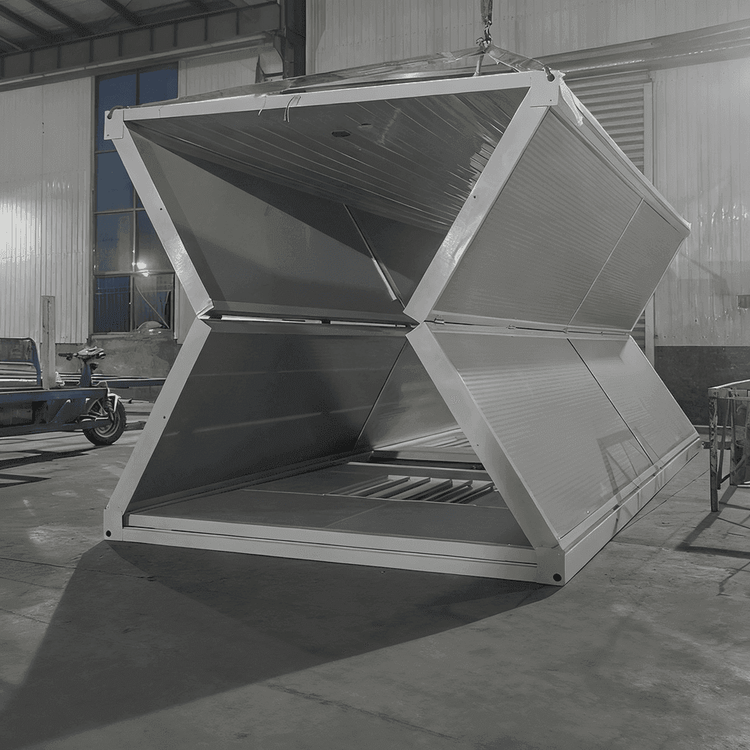
- Mobility and Cost-Effectiveness: The overall structure should be lightweight and modular for quick assembly, disassembly, and transportation. For example, using an aluminum alloy frame reduces weight while ensuring structural strength.
- Eco-Friendliness: Prioritize biodegradable materials to minimize environmental impact. Sewage disposal methods should meet ecological standards, such as microbial decomposition technology, which converts feces into harmless substances and avoids the water waste associated with traditional flush toilets.
- Efficiency and Humanitarian Considerations: The internal layout should be reasonable to ensure user comfort. For example, include barrier-free access and handrails to meet the needs of special populations.
III. Materials and Sewage Disposal Methods
Material selection should be customized based on the usage scenario. For example, scenic area toilets can use anticorrosive wood or aluminum-plastic panels to blend with the natural environment, while construction site toilets can opt for color-coated steel sheets for cost-effectiveness and durability. Sewage disposal methods include flushing, bagging, foaming, and microbial decomposition. Flushing is suitable for areas with a water supply; bagging collects feces in biodegradable bags for areas without water; foaming reduces water usage with foam; and microbial decomposition uses bacteria to break down feces, achieving zero emissions.
IV. Applicable Scenarios and Customized Design
Zhongwei ecological mobile toilets should be designed according to specific scenarios. For example, municipal toilets should consider high foot traffic and frequent use, increasing cleaning frequency and sewage storage capacity. Scenic area toilets should focus on aesthetic harmony with the environment, adopting a garden-style design. Construction site toilets should emphasize durability and mobility to facilitate relocation with construction progress.