Zhongshan Internet-Famous Container House
The Zhongshan Internet-Famous Container House is a popular check-in landmark located in the emerging creative park in Zhongshan City, transformed from freight containers.
I. Appearance and Layout
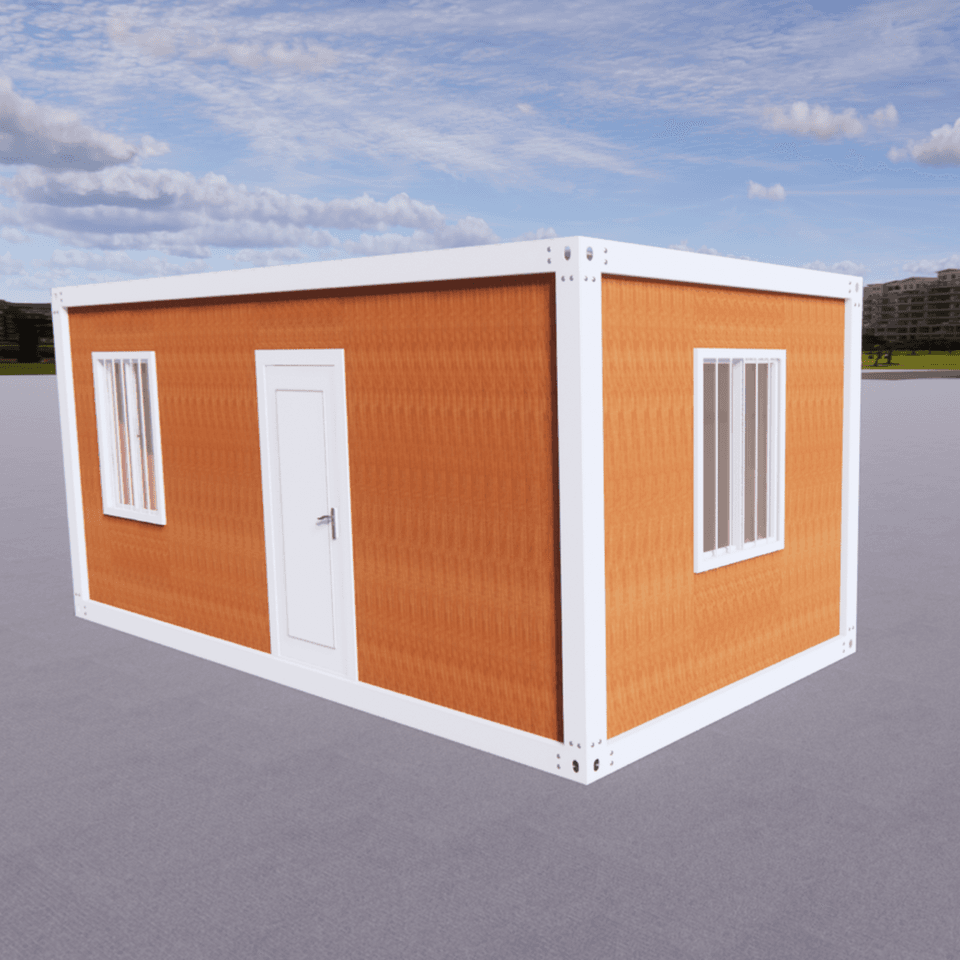
These container houses are primarily in lively colors such as bright yellow, sky blue, and pink, creating a visual effect that combines industrial style with modern art through staggered stacking. Some containers have been converted into small cafes, equipped with iron tables and chairs at the entrance for customers to rest; others serve as handicraft shops, displaying creative products inside glass windows, combining both commercial and exhibition functions. The central area features a public rest area, formed by connecting multiple containers, with transparent skylights installed on the top to enhance natural lighting, and wood-like flooring laid on the ground to improve comfort. Inside, long tables and cushions are placed, often used for hosting small exhibitions or handicraft markets.
II. Functionality and Practicality
The transformation of the container houses fully considers the climatic characteristics of Guangdong Province. To address the high summer temperatures, all containers are equipped with insulation layers and air conditioning systems to ensure a comfortable internal temperature; the roofs undergo special noise reduction treatment to effectively reduce rain noise interference. Despite the limited space of a single container, through reasonable planning of the internal layout, it can still meet the basic usage needs of cafes, shops, etc., balancing functionality and aesthetics.
III. Cultural and Social Value
As the core landscape of the emerging creative park, the container houses not only provide a unique photo-taking spot for young people but also serve as a carrier for promoting the development of the local cultural and creative industry through the integration of commerce and art. Their low-cost and movable nature also offers innovative ideas for urban space renewal, demonstrating a sustainable model for the reuse of industrial heritage.
IV. Technical Details
During the transformation process, the main structure of the containers retains the sturdiness of freight containers while achieving spatial reorganization through cutting and welding techniques. The interior decoration uses lightweight materials such as iron furniture and glass partitions, which not only align with the industrial style but also reduce the building load. The electrical system is independently wired to ensure the safety of electricity usage in each functional area, meeting commercial operation standards.