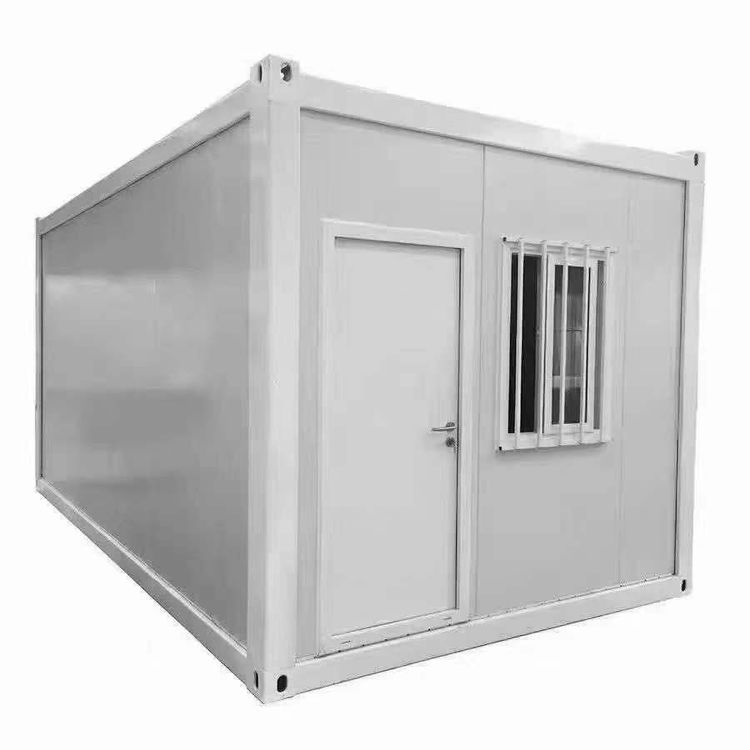
Zhongjing Bridge Portable Toilet
Currently, there is no specific public information available about the 'Zhongjing Bridge Portable Toilet'. The following is a popular science introduction covering the common types, design features, application scenarios, and management and maintenance of portable toilets:

Common Types
Portable toilets are mainly classified into several types based on different technical principles and structural characteristics, including packing-type, foam-type, microbial degradation-type, and water-flush-type. Packing-type portable toilets collect feces using biodegradable plastic bags, requiring no water, and are suitable for water-scarce areas. Foam-type toilets utilize foam generated by foaming liquid to cover the toilet bowl, reducing odor emission and achieving significant water-saving effects. Microbial degradation-type toilets decompose feces with the help of microorganisms, enabling ecological recycling. Water-flush-type toilets are similar to ordinary toilets, flushing feces into a septic tank through water, but require corresponding water supply and drainage systems.
Design Features
Portable toilets typically possess portability, with their main structures often made of lightweight yet sturdy materials such as stainless steel and fiberglass-reinforced plastic, facilitating easy transportation and installation. In terms of exterior design, attention is paid to harmonizing with the surrounding environment, with some even incorporating local cultural elements. The interior layout is reasonable, equipped with lighting, ventilation, and deodorization facilities to enhance the user experience. For example, some portable toilets are installed with exhaust fans to promptly expel odors and maintain fresh air; lighting fixtures are set up for nighttime use.
Application Scenarios
Portable toilets are widely used in various temporary event venues, such as large-scale concerts, sports events, and exhibitions, quickly meeting the toilet needs of a large number of people. In tourist attractions, portable toilets can serve as a supplement to fixed toilets, addressing the toilet shortage during peak tourist seasons. Additionally, portable toilets play an important role in urban construction sites, remote areas, etc., providing convenience for workers and residents.
Management and Maintenance
To ensure the normal operation of portable toilets, regular management and maintenance are required. This includes promptly cleaning feces and garbage to keep the toilet interior clean and hygienic; checking the operational status of equipment and facilities, such as faucets, flushing devices, and lighting fixtures, and repairing or replacing them promptly if damaged; regularly disinfecting and sterilizing the toilet to prevent bacterial growth and disease transmission.