
Back to blog
Article
Zhenjiang Simple Mobile Toilet Design
Admin October 11, 2026
The design of simple mobile toilets in Zhenjiang covers various types and functional features, as detailed below:
Types:
- Single-unit Mobile Toilets: Manufactured in one piece using high-strength polyethylene or fiberglass-reinforced plastic, these toilets are lightweight, corrosion-resistant, and easy to clean. They come standard with a squat or sit toilet, a shelf, handrails, and ventilation windows, making them suitable for temporary events or crowded venues.
- Trailer-mounted Mobile Toilets: Equipped with wheels at the bottom, these toilets can be towed by motor vehicles. They offer relatively spacious interiors and may include simple water storage and sewage tanks. Their flexibility makes them ideal for scenarios requiring frequent relocation, such as large exhibitions or construction sites.
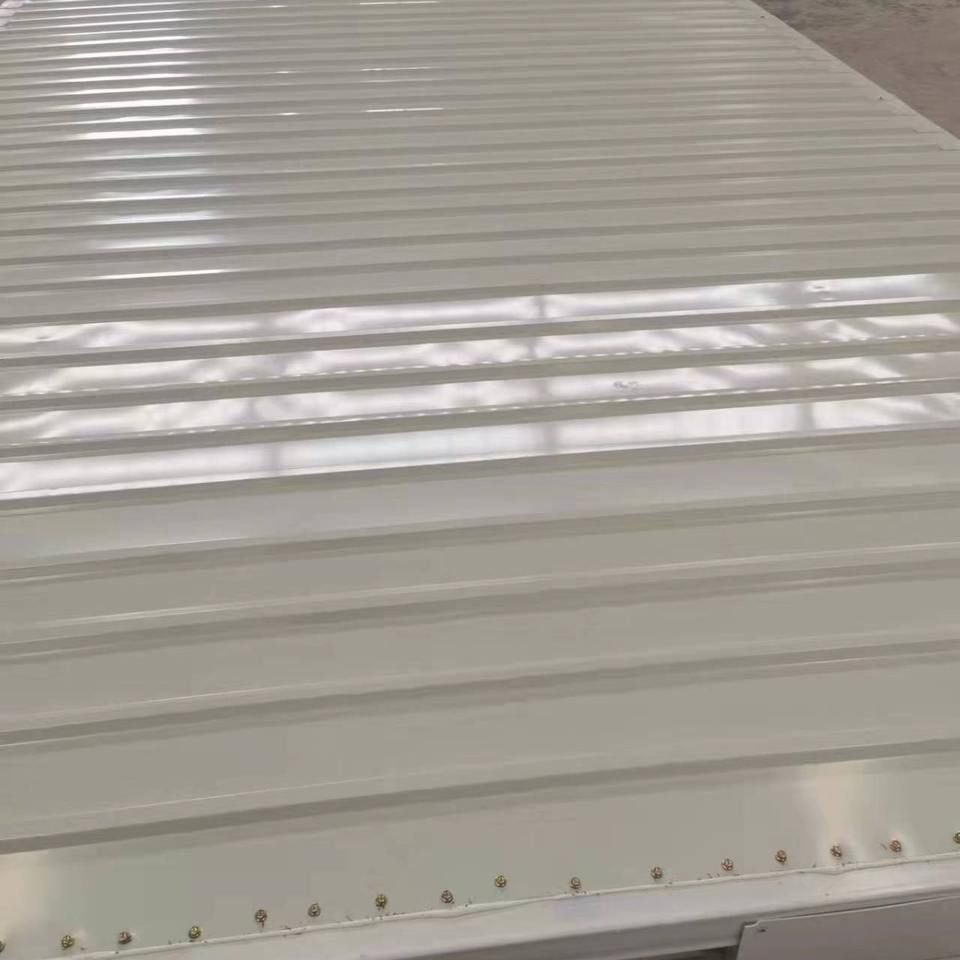
- Frame-type Mobile Toilets: Built with metal profiles as the main frame and clad with color-coated steel sheets or aluminum-plastic panels, these toilets are structurally stable and can be customized in size and the number of internal compartments. They are suitable for long-term fixed use or scenarios with specific spatial layout requirements.
- Waterless Ecological Mobile Toilets: These toilets do not rely on traditional water flushing systems. Instead, they treat waste through microbial degradation, foam sealing, or packaging collection, achieving harmless disposal or temporary storage. This design is particularly suitable for water-scarce areas or scenarios with high environmental protection requirements.
Functional Design:
- Integration of Basic Functional Units: The toilet fixtures and waste storage systems are designed as an integrated unit. Direct-discharge types are directly connected to large waste storage tanks, while packaged types have built-in replaceable degradation bags or biological degradation devices. The ventilation system includes air inlets, outlets, and activated carbon filters to ensure air circulation. The lighting system uses low-power LED light sources, integrated with solar charging panels and batteries. Some models are equipped with human body induction or door lock linkage control modules.
- Compatibility with Extended Functional Modules: Additional washing units can be attached, integrating fresh water tanks, wastewater tanks, faucets, and drainage pipes. Barrier-free designs include the removal of thresholds, the installation of low-gradient ramps, and the enlargement of internal space to accommodate wheelchair rotation. Environmentally adaptive structures use thicker insulation layers in cold regions and enhanced material coatings and sealing processes in rainy or coastal areas.
- Environmental Protection and Humanized Design: Some products use low-carbon and environmentally friendly materials. The walls and interior walls are made of materials with high fire resistance, good sound insulation, and easy installation. Additional configurations such as third toilets and barrier-free restrooms are provided, and the internal layout is optimized based on ergonomics to enhance user comfort.



