Zhenjiang Outdoor Mobile Toilet
When camping in Zhenjiang, mobile toilets are a viable solution to meet sanitation needs, and their selection should be based on a comprehensive consideration of scenario requirements, waste treatment methods, and environmental adaptability.

1. Selection of Space-Bearing Units Should Match Terrain and Usage Scale
Zhenjiang features diverse terrains, including complex areas such as river beaches and mountainous regions. The bearing units of mobile toilets should be selected based on the accessibility of transportation routes and the geological conditions of the site.
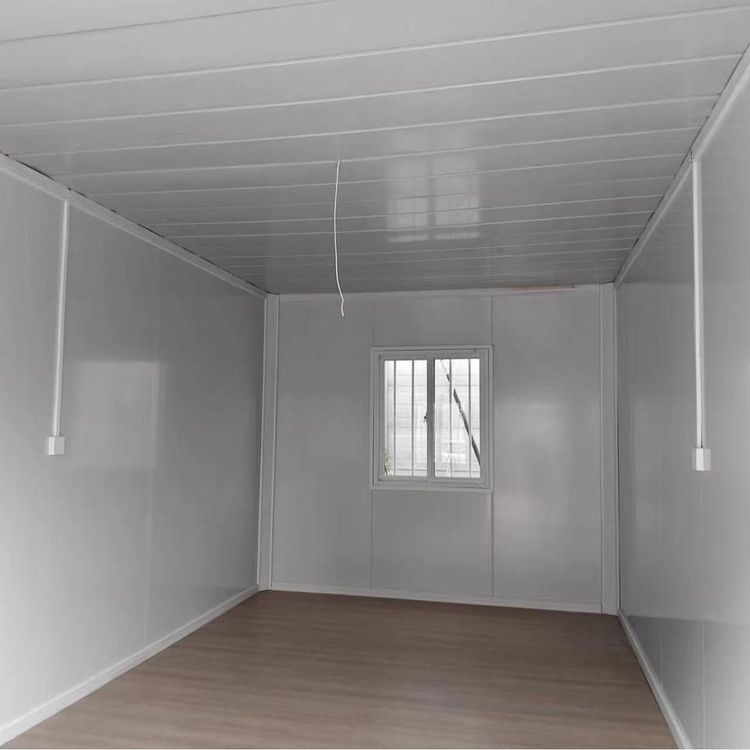
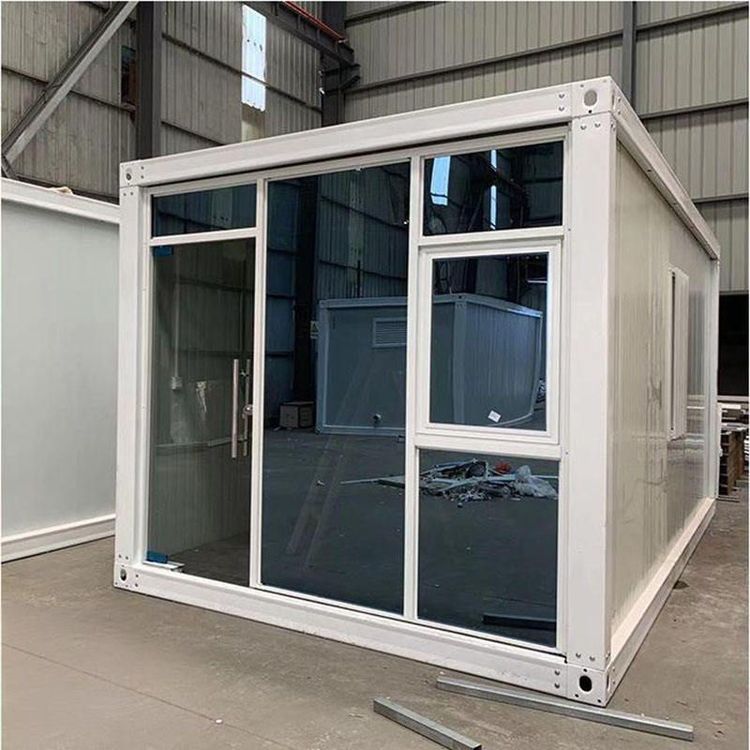
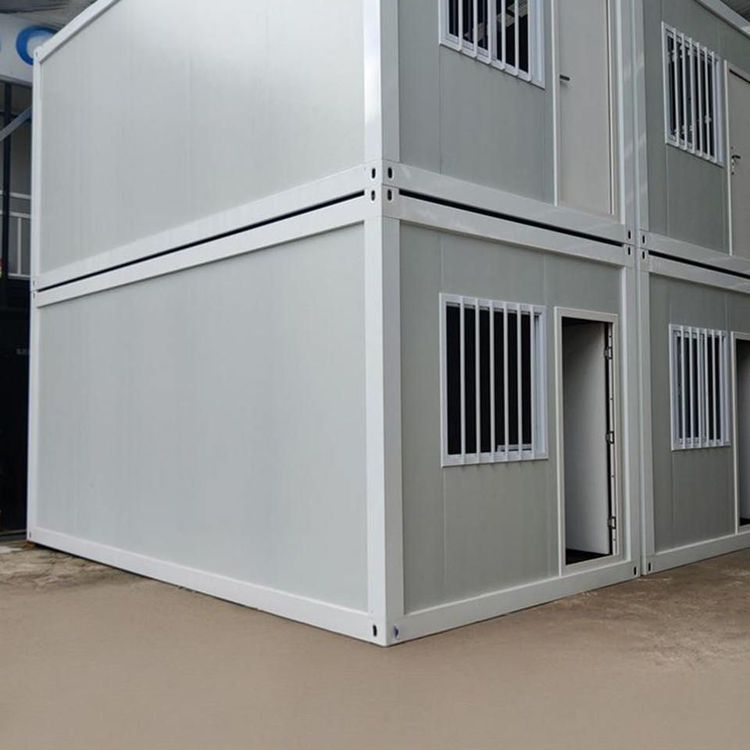
- Container-type mobile toilets: Prefabricated independent functional cabins that integrate toilets, handwashing devices, lighting, and ventilation modules. They are suitable for flat, hard surfaces, such as parks or campground entrances.
- Frame-type tent toilets: Quickly assembled with lightweight frames and tent fabrics, these can accommodate portable toilets or temporary septic pits inside. They are suitable for soft river beaches or rugged mountainous areas, but attention should be paid to wind resistance and securing.
- Vehicle-mounted mobile toilets: Mounted on trucks, these include multiple independent compartments and large-capacity freshwater/sewage tanks. They are suitable for crowded scenarios with short service periods, such as music festivals, but are less commonly used in camping activities in Zhenjiang.
2. Waste Treatment Methods Should Balance Environmental Protection and Practicality
When camping in Zhenjiang, the selection of waste treatment methods should consider the duration of the activity, the number of people, and environmental protection requirements:
- Storage-type: Degradable bags or storage tanks are used to collect waste, which is then transported by professional vehicles to sewage treatment stations when full. This is suitable for short-term activities (such as 1-2 day camping trips), but requires advance planning of transportation routes.
- Circulating flush-type: Through a closed system that precipitates, filters, and disinfects flush water, water resources are recycled. This is suitable for water-scarce environments or projects without long-term waste removal capabilities, such as remote mountain camping sites.
- Biochemical treatment-type: Small-scale treatment equipment is integrated to decompose waste using microorganisms or chemical agents. After reduction, it is discharged or treated as general waste. This is suitable for multi-day camping activities and can significantly reduce environmental impact.
3. Environmental Adaptation Mechanisms Should Strengthen Rain and Wind Resistance Measures
Zhenjiang experiences heavy rainfall in spring, so the deployment of mobile toilets should focus on rain protection, slip resistance, and wind resistance and securing:
- Rain protection: Choose waterproof materials (such as steel structures or high-density tent fabrics) to ensure no roof leakage, and install drainage channels to guide rainwater.
- Slip resistance: Lay anti-slip mats or use concave-convex texture designs on the ground to prevent slipping in rainy weather.
- Wind resistance and securing: Frame-type tent toilets should be secured with ground stakes or weight blocks, while container-type toilets should have their connection points checked for stability.
4. Brand and Product References
Local mobile toilet rental brands in Zhenjiang include Xuhu, Yibingsi, and Changjiu, offering a variety of options. Additionally, the Fuhua Jicheng fhjc-02 foam-type water-saving eco-friendly toilet (steel structure, customizable waste disposal method) from Dalian Fuhua Hengrun Industrial Co., Ltd. is suitable for camping sites, with prices starting at 98,000 yuan, making it ideal for long-term or high-frequency usage scenarios.