
Zhenjiang Camping Portable Toilet
Portable toilets can be selected as a sanitation facility solution for camping activities in Zhenjiang, characterized by flexibility, hygiene, and ease of management, effectively adapting to the needs of camping scenarios. The following provides an introduction from three aspects: type selection, waste treatment, and service support.
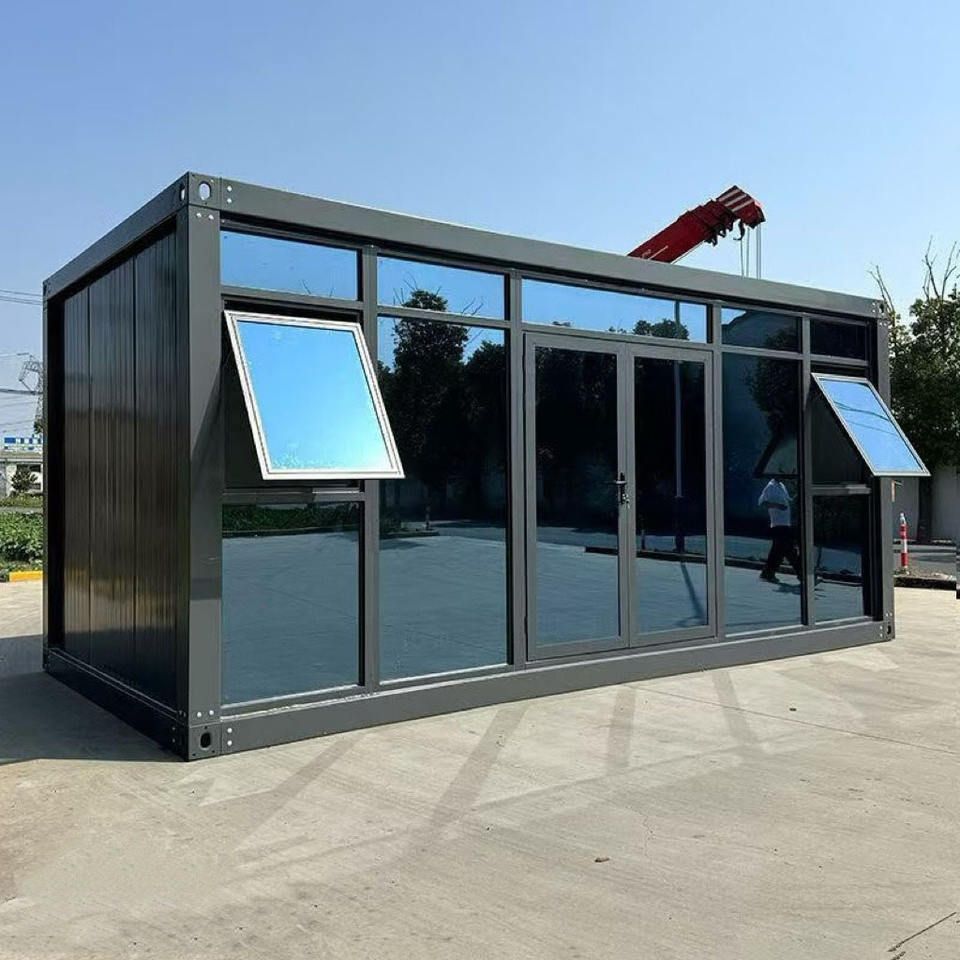
Type Selection Should Be Based on Site Conditions
Zhenjiang has diverse terrains, including complex areas such as river beaches and mountains. When selecting the type of portable toilet, priority should be given to the accessibility of transportation routes and the geological load-bearing capacity of the installation site. Container-type portable toilets are prefabricated independent functional cabins that integrate modules such as toilets and hand-washing devices. They have a sturdy structure but are relatively heavy, making them suitable for flat and hard ground. Frame-type tent toilets are quickly erected using lightweight frames and tent cloth. Portable toilets or temporary septic pits can be placed inside. They are lightweight and easy to assemble and disassemble, making them more practical on soft river beaches or rugged mountains. Vehicle-mounted portable toilets are carried on large trucks and include multiple independent compartments as well as large-capacity freshwater and wastewater storage tanks. However, they require flat roads for travel and are suitable for concentrated camping sites with high foot traffic and extremely short service periods.
Waste Treatment Should Match Activity Needs
Camping activities in Zhenjiang should select waste treatment methods based on the duration, foot traffic, and environmental protection requirements. Storage-type waste treatment uses disposable degradable bags or large waste storage tanks to collect waste. When full, professional vehicles transport it to urban sewage treatment stations. This method is simple to operate but requires frequent transportation, making it suitable for short-term, small-scale activities. Circulating flush-type waste treatment uses a closed system to settle, filter, and disinfect flush water for recycling, saving water and suitable for water-scarce wild environments or projects without transportation for long periods. Biochemical treatment-type waste treatment integrates small-scale treatment equipment that uses microbial agents or chemical agents to decompose, deodorize, and reduce waste volume. The final products can be treated as general waste or discharged after meeting standards. Using this method for multi-day outdoor camping activities can significantly reduce the potential impact on the surrounding environment.
Service Support Should Rely on Professional Suppliers
Suppliers typically provide full-process services from type selection to maintenance, including demand communication and plan formulation (recommending appropriate types and treatment methods based on activity scale and site conditions), transportation and on-site installation (ensuring equipment is securely placed and connected to water and electricity), subsequent maintenance and cleaning (regularly cleaning waste, replenishing consumables, and disinfecting), and recovery and removal (standardized dismantling and site cleaning after the activity ends). Full-process services can ensure the normal use of portable toilets during camping activities.
You may also like

Portable Toilet Eco-Friendly: MOQ, Samples & Quotation Guide
Read More
Top Portable Toilet Color Steel Manufacturers: How to Choose a Factory Partner
Read MorePortable Toilet Picture: Types, Features & Buying Tips
Read More