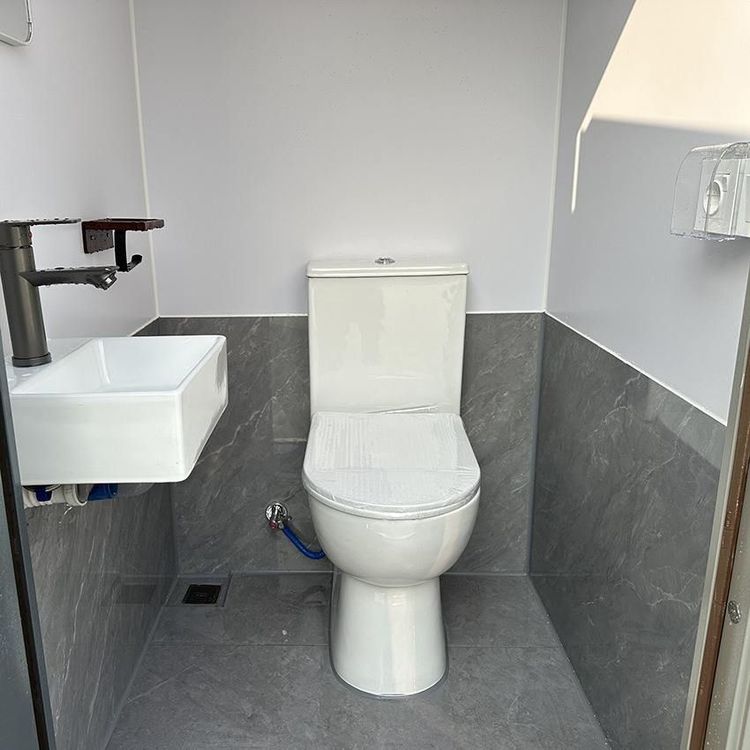
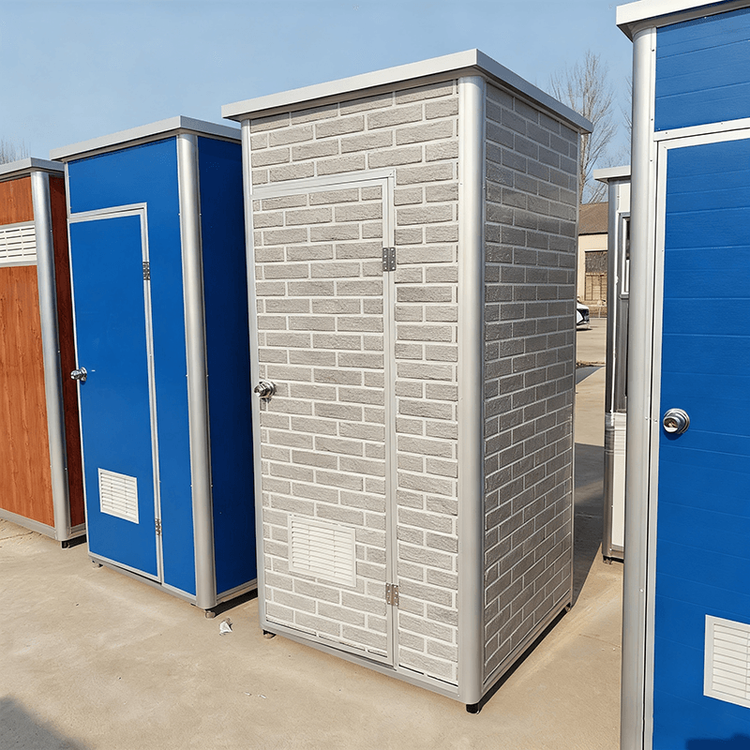
Zhenjiang Biodegradable Mobile Toilet
The core technology of the Zhenjiang biodegradable mobile toilet is a microbial degradation system. When renting, it is essential to evaluate system compatibility, resource allocation plans, and the emergency response capabilities of the service provider.
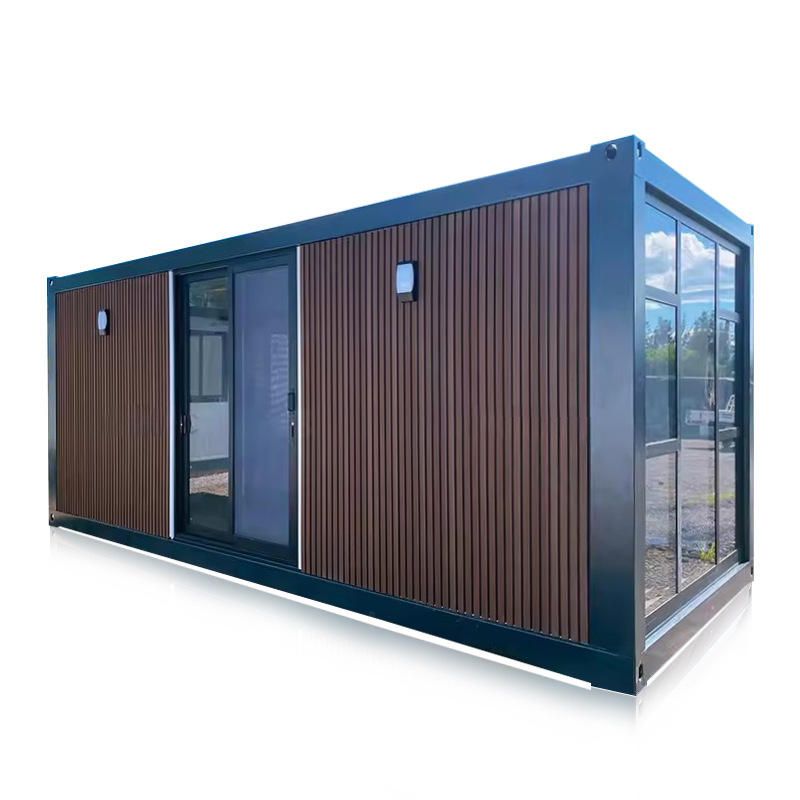
1. Technical Core and Operating Conditions
The microbial degradation system is the heart of the Zhenjiang biodegradable mobile toilet. It decomposes organic waste through specific microbial communities in a temperature- and oxygen-controlled environment, eliminating the need for traditional water flushing systems and significantly reducing water consumption. The system is integrated into a lightweight composite material box for easy transportation and installation. Stable power supply is required to operate small fans (to maintain oxygen circulation) and heating elements (to control the temperature within the optimal range for microbial activity, typically 20-40°C). Power outages or significant temperature fluctuations can reduce microbial activity and affect decomposition efficiency.
2. Key Dimensions for Rental Evaluation
- Equipment and Site Compatibility: Verify that the box dimensions and load-bearing capacity meet site constraints (e.g., narrow spaces or soft ground). The microbial processing capacity should match the expected number of users (e.g., significant differences between equipment with a daily capacity of 500 and 2000 users). The distance to power outlets must ensure safe cable laying to avoid voltage loss. Ground flatness affects equipment stability and requires prior foundation reinforcement.
- Resource Allocation Plan: Logistics and transportation should plan the shortest routes, coordinate lifting equipment (e.g., forklifts or cranes), and schedule on-site installation time windows. Maintenance modules should specify the microbial activity testing frequency (usually once a week), solid residue removal frequency (adjusted based on usage, potentially daily in high-frequency scenarios), and mechanical component lubrication frequency (once a month).
3. Key Points for Technical Solution Selection
The dynamic adjustment capability of the service provider is crucial. For example, in high-usage scenarios (e.g., music festivals, exhibitions), the microbial system requires辅料 (e.g., wood chips or rice husks) replenishment every 2-3 days to maintain decomposition efficiency. Whether the service provider offers real-time monitoring and辅料 replenishment services directly impacts the user experience. Additionally, emergency response capabilities should include backup power solutions (e.g., mobile generators) and microbial recovery procedures (e.g., emergency replenishment of active microbial agents) to address sudden power outages or microbial inactivation.
Zhenjiang Hengchuang Environmental Engineering Co., Ltd., as a local service provider, has products certified by ISO9001 quality management system and ISO14001 environmental management system. It offers a full range of services from manufacturing to leasing, suitable for projects with high compliance requirements.