
Cost of Mobile Toilets in Zhengzhou Scenic Areas
The cost of mobile toilets in Zhengzhou scenic areas varies depending on the type, purchase quantity, and usage method, and can be divided into two scenarios: purchase and rental.
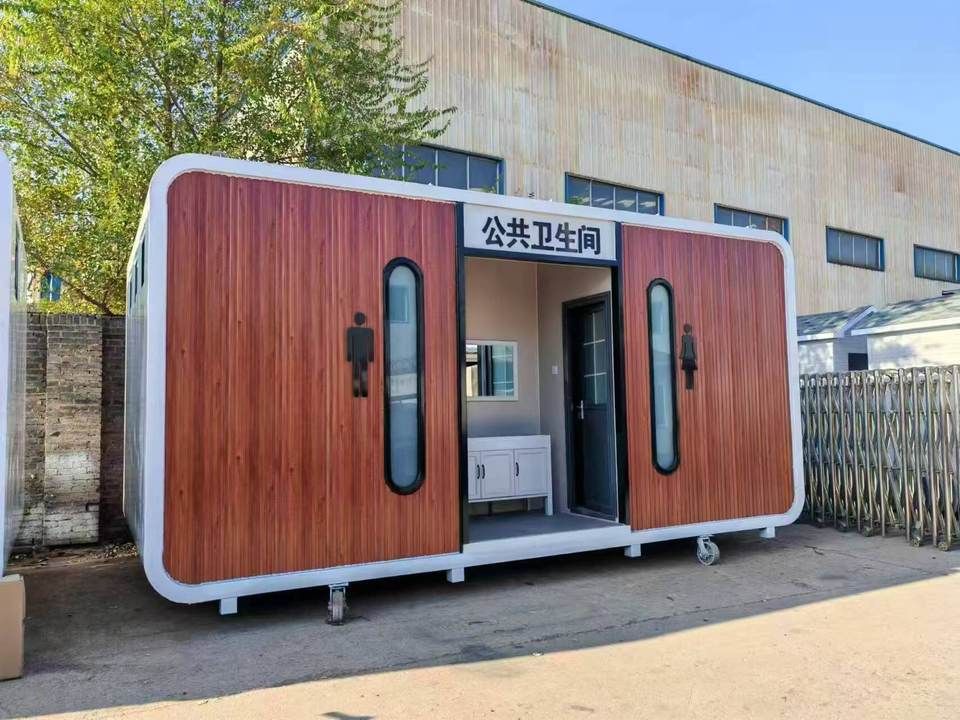
In terms of purchase costs, there is a wide price range for different types of mobile toilets. The delivery price of a finished double-unit mobile toilet is 6,000 yuan, suitable for scenarios that require a certain degree of integration of space and functionality. The four-panel-one-roof mobile toilet with an integrated shower and toilet adopts a tiered pricing model: if the order quantity is between 1 and 49 units, the unit price is 1,500 yuan per unit; if the order quantity is ≥50 units, the unit price drops to 1,200 yuan per unit, making it suitable for scenic areas or large event venues that purchase in bulk. Due to technical complexity and functional differences, the prices of waterless ecological toilets and small mobile ecological toilets need to be negotiated in person, usually related to the treatment process and material eco-friendliness. The price range of steel-structure public toilet-type mobile toilets is from 7,000 yuan to 20,000 yuan, with costs affected by structural strength, durability, and supporting facilities, suitable for long-term use scenarios with high stability requirements.
Regarding rental costs, the configuration differences of mobile toilets directly affect the daily rental price. The daily rental price of an ordinary single-pit mobile toilet (equipped with a flushing system) is usually between 100 and 150 yuan, meeting basic usage needs and suitable for short-term events or temporary installations. For higher comfort, a luxury mobile toilet with a sink, mirror, and aromatherapy system has a daily rental price of approximately 200 to 300 yuan, suitable for high-end scenic areas or scenarios with strict hygiene requirements. Rental costs usually include transportation, installation, and daily maintenance services, allowing scenic areas to choose flexibly based on visitor traffic and budget.
The core factors contributing to cost differences include functional configurations (such as flushing systems and sanitary facilities), material types (steel structures, eco-friendly materials), usage periods (long-term purchase or short-term rental), and purchase scale (bulk discounts). Scenic areas need to combine actual needs, comprehensively evaluate costs and usage frequency, and choose the most cost-effective plan. For example, short-term events can prioritize renting luxury models to enhance the experience, while long-term operating scenic areas are more suitable for purchasing steel-structure or eco-friendly models to reduce long-term costs.



