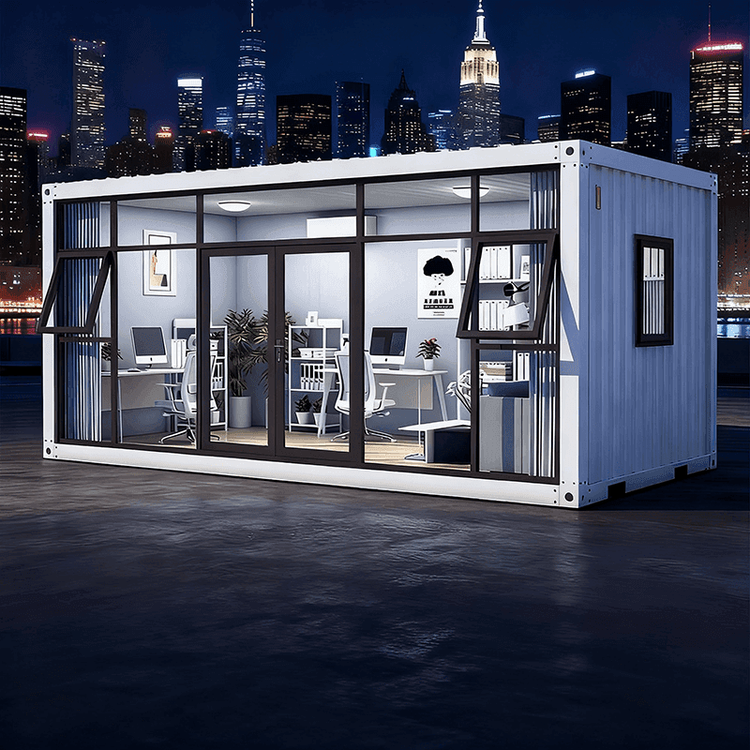
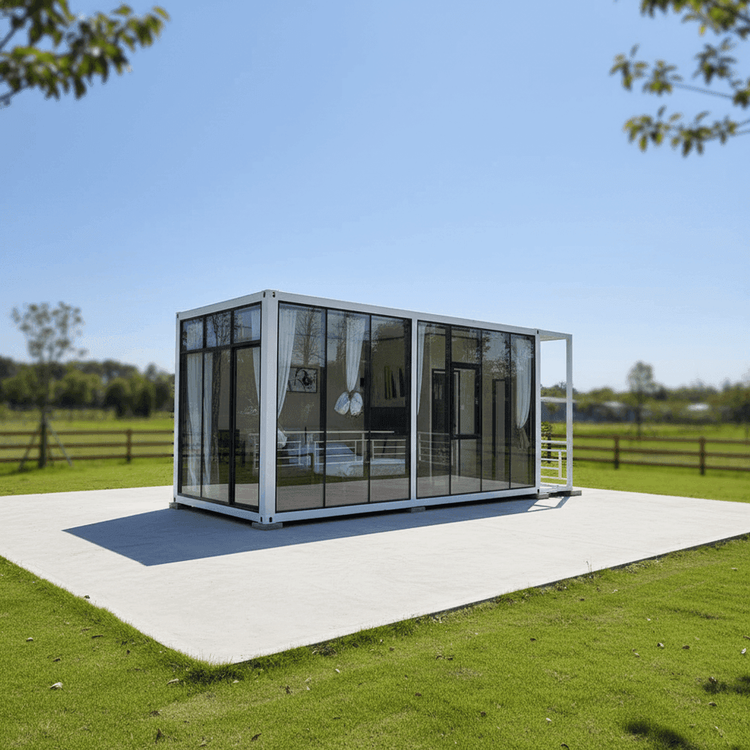
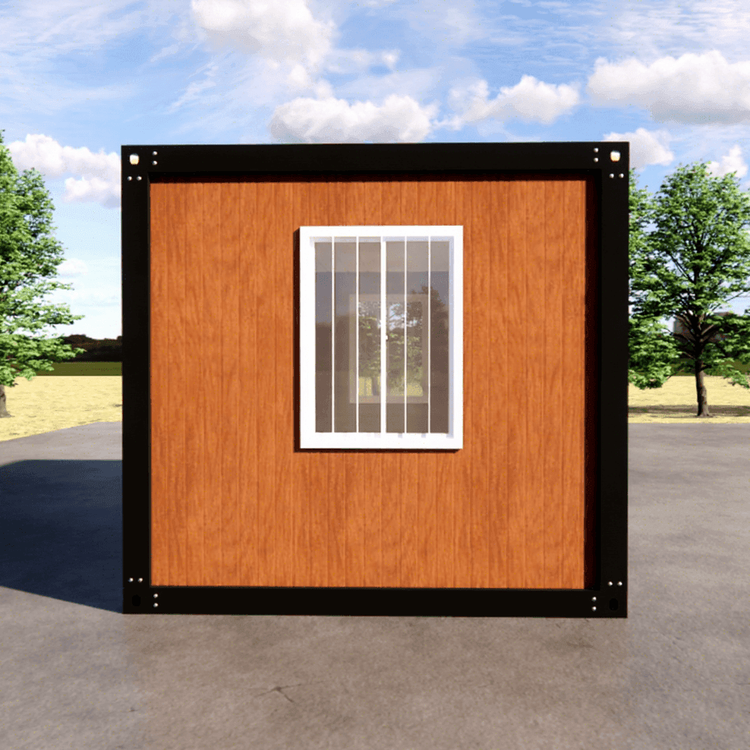
Zhengzhou Portable Toilet Installation
The installation process of portable toilets in Zhengzhou typically includes six stages: initial communication, contract signing, transportation and site survey, installation and commissioning, cleaning and delivery, and post-installation maintenance. Details are as follows:
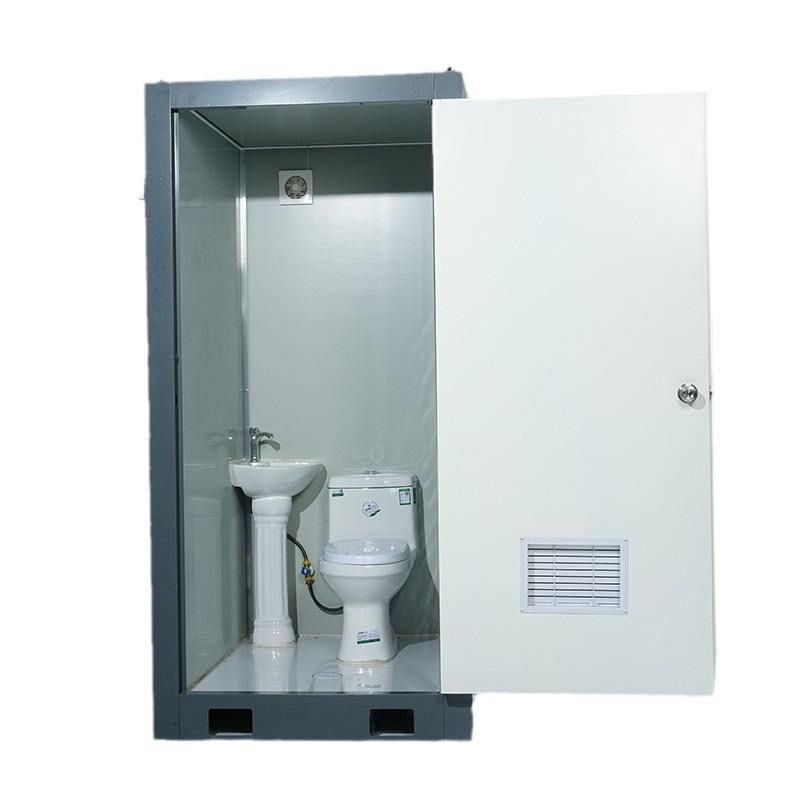
Initial Demand Communication and Solution Design
Key information such as the usage scenario (e.g., construction sites, exhibitions, music festivals), estimated number of users, duration of use, and location of the site must be clarified. The rental company recommends appropriate types (standard, eco-friendly, accessible, etc.) based on the needs and initially plans the layout. For example, exhibitions with high foot traffic require more toilets, while construction sites need to consider durability.
Contract Signing and Cost Confirmation
After both parties confirm the plan, a rental contract is signed, specifying the rental price, quantity, delivery and installation time, and after-sales service details. Eco-friendly toilets, which use vacuum or biodegradation systems, typically have higher rental costs than standard ones. The contract must outline liability for breach of contract and maintenance terms to avoid subsequent disputes.
Transportation and Site Survey
The rental company arranges vehicles to transport the toilets to the site, and technicians conduct another site survey to confirm whether the installation location meets drainage, power (if required), and ventilation requirements. Outdoor sites should avoid low-lying areas prone to water accumulation, and the ground must be level. For example, music festival sites need to plan the direction of sewage pipes in advance to avoid affecting the event layout.
Installation and Commissioning
- Foundation Fixing: Based on the survey results, ground hardening or ballast treatment is carried out to ensure the stability of the toilets.
- Pipe Connection: Standard toilets require connection to sewage and water supply pipes, while eco-friendly toilets may use vacuum suction or biodegradation systems.
- Component Inspection: Test whether the electrical circuits (lighting, ventilation), door locks, etc., are functioning properly. The standard size of a toilet unit is generally 2.4m×1.8m, with an installation spacing of no less than 1.5m to avoid overcrowding.
- Odor Control Measures: Toilet lids should be kept closed, and the amount of cleaning agents and detergents should be adjusted according to actual needs.
Cleaning and Delivery for Use
After installation is complete, the rental company thoroughly cleans the interior of the toilets and equips them with toilet paper, hand soap, air fresheners, and other supplies. During delivery, users should be informed of daily precautions, such as prohibiting the dumping of debris and regular ventilation, to extend the service life of the equipment.
Post-Installation Maintenance and Removal
During the rental period, the company provides regular on-site maintenance (e.g., cleaning septic tanks, replacing consumables). After use, the equipment is removed and the site is restored to its original condition according to the contractually agreed time. Insulation materials must meet fire resistance ratings of Class A or A1 to ensure safety and compliance.
Supplier Recommendations:
- Zhengzhou Baiyi'an Electromechanical Equipment Co., Ltd. (Contact: Cao Lei, Phone: 13283878583) provides installation services for intelligent portable toilets.
- Henan Qiantong Environmental Protection Equipment Co., Ltd. (Address: 500 meters east of the intersection of Luoning Road and Gongye Road, Shangjie District, Zhengzhou) specializes in eco-friendly public toilets and can provide customized solutions.