
Design of Mobile Toilets in Zhejiang Scenic Spots
The design of mobile toilets in Zhejiang scenic spots combines diversity, humanization, and adaptability, meeting the actual needs of scenic spots through functional innovation and structural optimization.
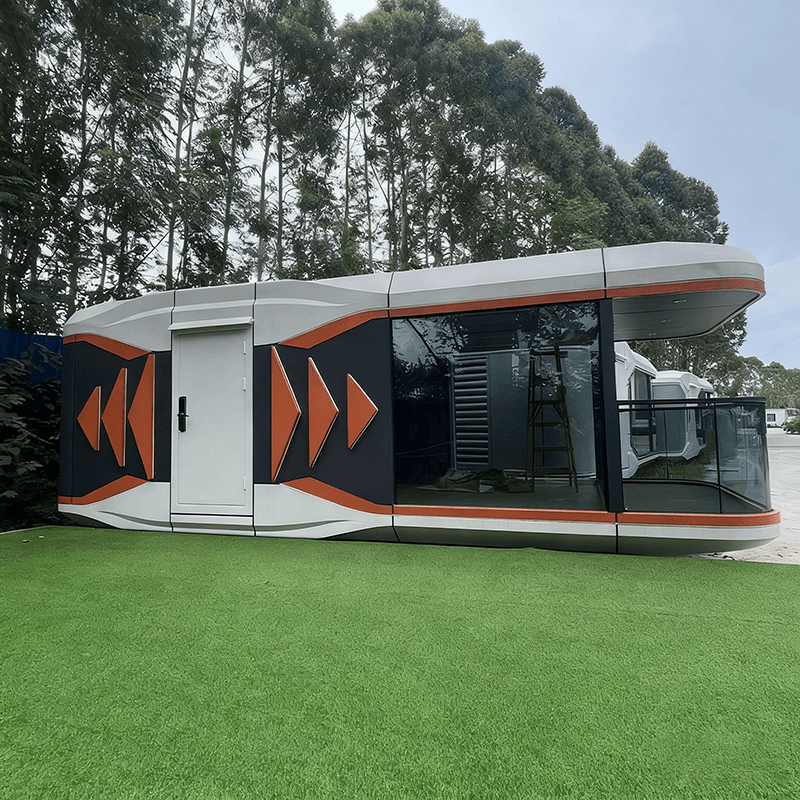
I. Diverse and Humanized Design
Mobile toilets in Zhejiang scenic spots break away from traditional design models, emphasizing user experience and integration with the landscape. Some scenic spots adopt 180-degree mountain-view floor-to-ceiling windows, ensuring privacy through special glass or frosted treatments while allowing users to enjoy natural mountain views during use, creating “invisible网红打卡点 (internet-famous photo spots)”. The interior is compact yet fully functional, with standard units covering four core areas:
- Toilet Area: Equipped with water-saving toilets and paper towel holders, balancing environmental protection and practicality;
- Handwashing and Cleaning Area: Integrated with a small sink and water-saving faucet to meet basic cleaning needs;
- Ventilation and Lighting System: Improves air quality through ventilation windows or forced exhaust systems, while top or side translucent panels enhance natural lighting and reduce energy consumption;
- Waste Treatment System: Utilizes recycled water flushing, waterless packaging, or biodegradation technologies to meet the environmental protection requirements of different scenic spots.
II. Adaptive Optimization for Geographical and Climatic Conditions
Zhejiang experiences frequent typhoons, long rainy seasons, and limited land resources, necessitating mobile toilet designs that balance safety and convenience:
- Wind-Resistant Structure: Combines purified panel cladding systems with steel frames to enhance overall stability and resist strong winds;
- Moisture and Corrosion Resistance: Uses weather-resistant materials to extend service life and reduce maintenance costs;
- Drainage System: Optimizes ground slope and drainage pipe design to prevent water accumulation during the rainy season;
- Transport and Installation Convenience: Modular design supports rapid assembly and disassembly, adapting to the tight schedules of scenic spot projects and minimizing land use.
III. Environmental Protection and Sustainability
Mobile toilets achieve efficient resource utilization through technological upgrades:
- Water-Saving Technology: Water-saving toilets and faucets reduce water consumption;
- Waste Treatment: Biodegradable treatment systems convert waste into organic fertilizer for recycling;
- Material Selection: The use of recyclable materials reduces environmental impact, aligning with trends in green tourism.
The design of mobile toilets in Zhejiang scenic spots enhances visitor experience and adapts to complex geographical environments through functional innovation, structural optimization, and the integration of environmental technologies, setting an example for infrastructure upgrades in scenic spots.



