
Zhejiang Prefabricated Housing Project
The Zhejiang Prefabricated Housing Project encompasses policy planning, typical projects, and technical standards, with a core focus on urban renewal and the management of dilapidated buildings.
I. Policy Planning and Objectives
According to the State Council's '15th Five-Year Plan for Urban Renewal' in 2026, the country plans to renovate 500,000 prefabricated panel houses nationwide, with Zhejiang as a key region tasked with implementing these initiatives. The policy emphasizes 'steady progress' rather than comprehensive demolition, prioritizing the management of Grade C and D dilapidated buildings (Grade D being entirely dilapidated and Grade C being partially dilapidated). A joint notice from the Ministry of Natural Resources and the Ministry of Housing and Urban-Rural Development specifies that the demolished floor area within urban renewal units must not exceed 20% of the current total floor area, with a demolition-to-construction ratio not exceeding 2, aiming to control the impact of large-scale demolition and construction on the urban ecosystem.
II. Typical Project Practices
Self-Initiated Renewal Plan for Prefabricated Panel Residential Areas in Yuecheng District, Shaoxing City
PowerChina Huadong Engineering Corporation Limited won the bid for this project with a contract amount of 250,000 yuan. The project covers 13 streets in Yuecheng District, with research including current data collection, multi-dimensional assessments (such as structural safety and living functionality), renewal path design, and plan formulation, with results required by September 30, 2026. This plan provides a systematic framework for the renewal of old prefabricated panel residential areas in Zhejiang.Fully Assembled Residential Sample in Jiangbei, Ningbo
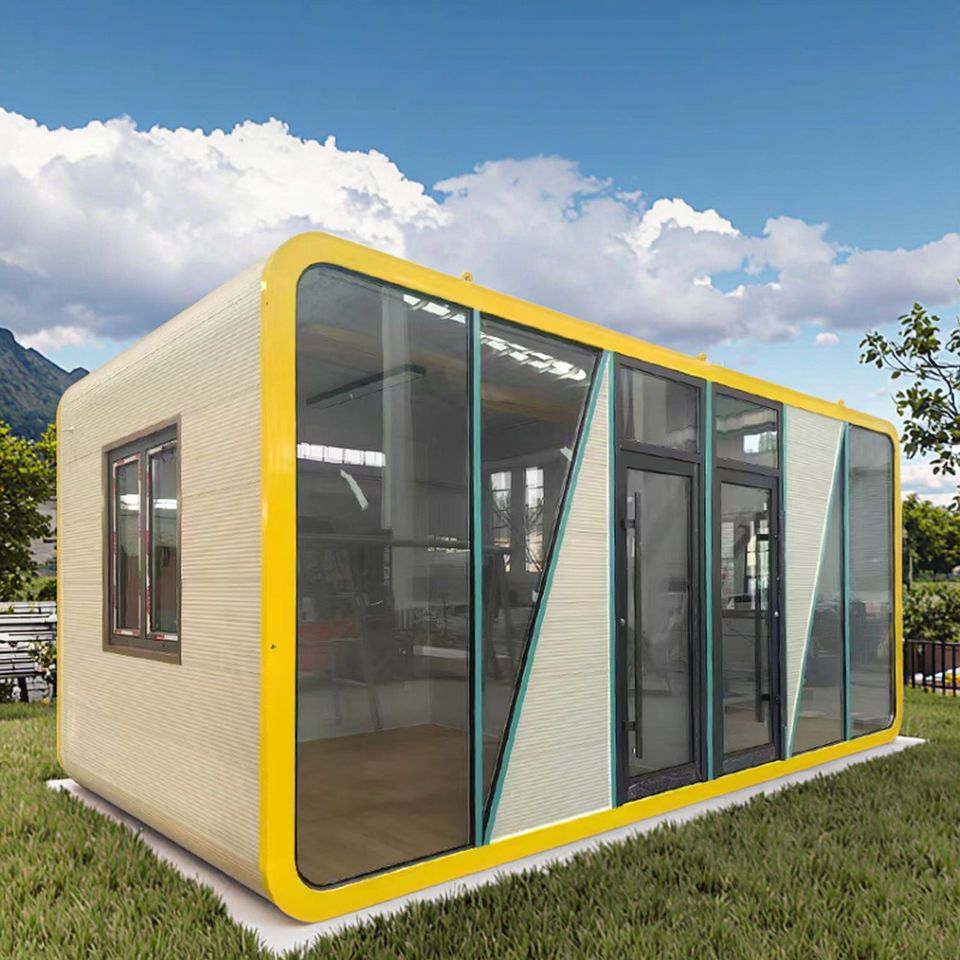
Utilizing prefabricated panel structural components connected by mechanical bolts, this approach features sandwich insulation, high on-site installation efficiency, and a construction method similar to 'building with blocks.' This technology shortens the construction period, reduces on-site wet operations, aligns with green building trends, and offers a replicable model for residential renewal in rural or suburban areas of Zhejiang.
III. Housing Safety Appraisal and Disposal Standards
Zhejiang classifies housing safety levels into A (safe), B (basically safe), C (partially dilapidated), and D (entirely dilapidated) according to national standards. Among them, Grade D dilapidated buildings must be 'demolished as much as possible,' while Grade C buildings can be addressed through repair and reinforcement, reconstruction, or renovation. For example, the multi-dimensional assessments in the Shaoxing project may involve structural inspections and seismic performance analyses to determine specific renewal strategies.
IV. Technical Characteristics and Advantages
The core advantages of the prefabricated housing project lie in standardized design, industrialized production, and modular construction. The bolt connection technology used in the Jiangbei, Ningbo project avoids the defects of traditional welding, enhancing structural stability; the sandwich insulation layer improves building energy efficiency. Additionally, the factory-based production of prefabricated components reduces reliance on on-site labor, aligning with Zhejiang's goal of promoting the modernization of the construction industry.



