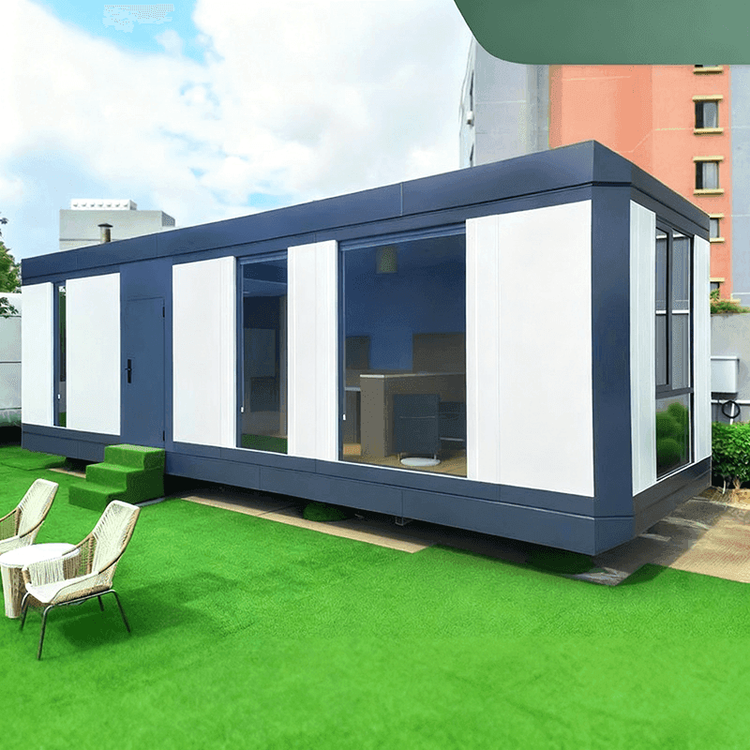
Zhejiang Mobile Toilet Wharf Installation
There has been practical experience in installing mobile toilets at wharfs in Zhejiang, supported by comprehensive technical solutions and industry standards.

I. Core Functions and Design Features
Mobile toilets for wharfs are specifically designed for water transportation hubs, with the core function of providing sanitary facilities for staff, crew members, and tourists, addressing the issues of fixed location, high construction costs, and limited flexibility associated with traditional fixed toilets. Their design features include:
- Modular Structure: Utilizing assembly or welding processes, the main structure can be quickly assembled to meet temporary or long-term needs at the wharf.
- Corrosion-Resistant Materials: The outer shell is made of stainless steel, aluminum alloy, or special plastics, suitable for humid and salt-spray corrosion environments, extending service life.
- Standardized Configuration: Internally equipped with squat/seat toilets, sinks, exhaust systems, and odor control devices, high-end models integrate sewage treatment equipment for on-site sewage treatment and emission control.
- Customizable Parameters: Parameters such as load capacity, thickness, and weight can be adjusted according to actual needs to ensure stability under high-frequency use.
II. Application Scenarios and Advantages
- Container Wharfs: When large vessels dock, mobile toilets can be quickly deployed near the boarding gates, saving crew members' round-trip time.
- Passenger Wharfs: During peak tourist seasons when visitor numbers surge, they serve as supplementary emergency facilities to prevent sanitation issues caused by insufficient capacity of fixed toilets.
- Fishing Boat Berthing Areas: They provide temporary sanitary services for fishermen, enhancing operational convenience.
Their modern and minimalist design can harmonize with the wharf environment, enhancing the regional image.
III. Installation and Maintenance Points
- Installation Requirements:
- Consider drainage direction and power supply (if sewage treatment equipment is required), and ensure the ground is level to prevent equipment tilting.
- Conduct temporary water and electricity connections, sewage pipeline laying, and set up secure fixing measures according to on-site survey plans.
- Maintenance Points:
- Regularly clean the sewage tank, inspect odor control devices and structural connectors to prevent corrosion or loosening.
- In cold regions, install anti-freezing devices to ensure normal operation of water pipes and sewage treatment systems.
IV. Industry Standards and Regulations
Mobile toilets for wharfs must comply with the 'Standards for the Installation of Urban Environmental Sanitation Facilities' and relevant port regulations, especially meeting strict requirements in sewage treatment, emission standards, and corrosion resistance. For example, the chemical oxygen demand (COD), ammonia nitrogen, and other indicators of sewage from biodegradable technology toilets must meet standards; the outer shell coating must pass salt spray tests to verify durability in marine environments.