Zhejiang Mobile Smart Toilet Operation
Zhejiang Mobile Smart Toilet Operation focuses on technological innovation as its core, achieving efficient management through an integrated model of 'investment, construction, management, and operation,' and meeting market demands by relying on an IoT platform and modular design.

Technical Support and Operational Advantages
Zhejiang Mobile Smart Toilets employ vacuum negative pressure collection systems and 'pipeless, emission-free' treatment technologies, achieving water conservation and pollution reduction efficiencies exceeding 90%. Combined with IoT, 5G, and sensor technologies, a closed-loop management system is established. By continuously monitoring data such as temperature, humidity, air quality, and foot traffic within the restrooms, the system automatically triggers cleaning, deodorization, and ventilation operations to prevent unsanitary conditions. Meanwhile, data is uploaded to the 'Smart Toilet Management Cloud Platform,' enabling managers to remotely monitor equipment status and allocate resources for precise operational maintenance.
Service Model and User Experience
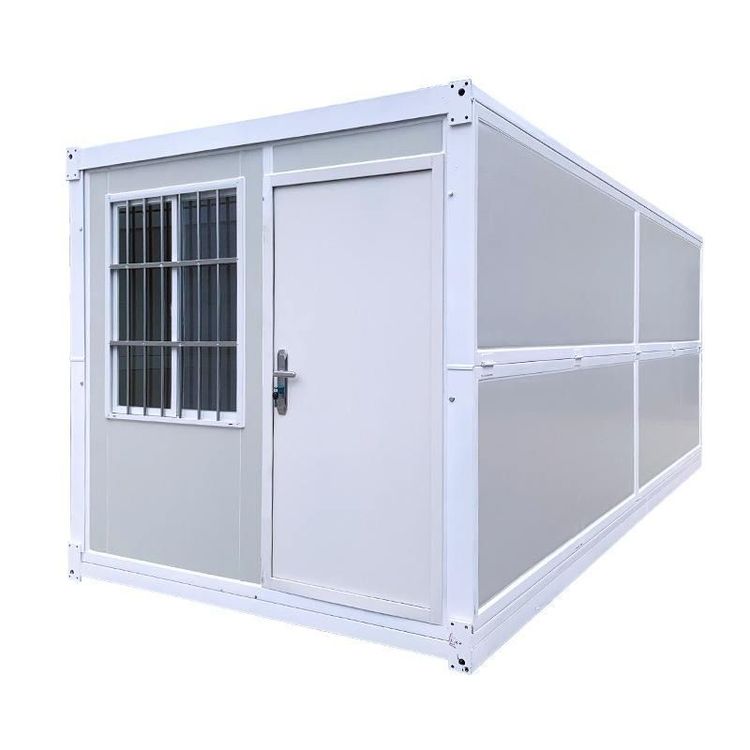
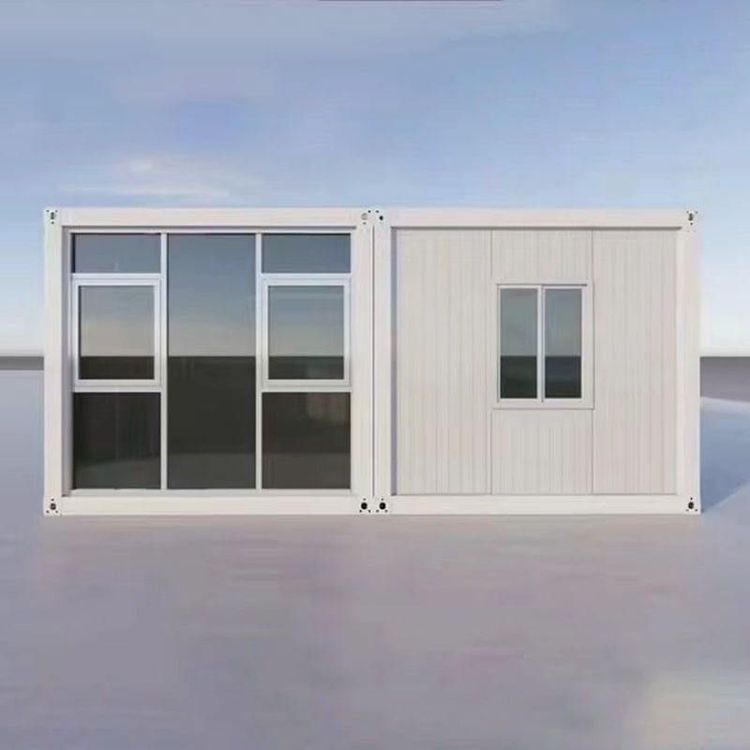
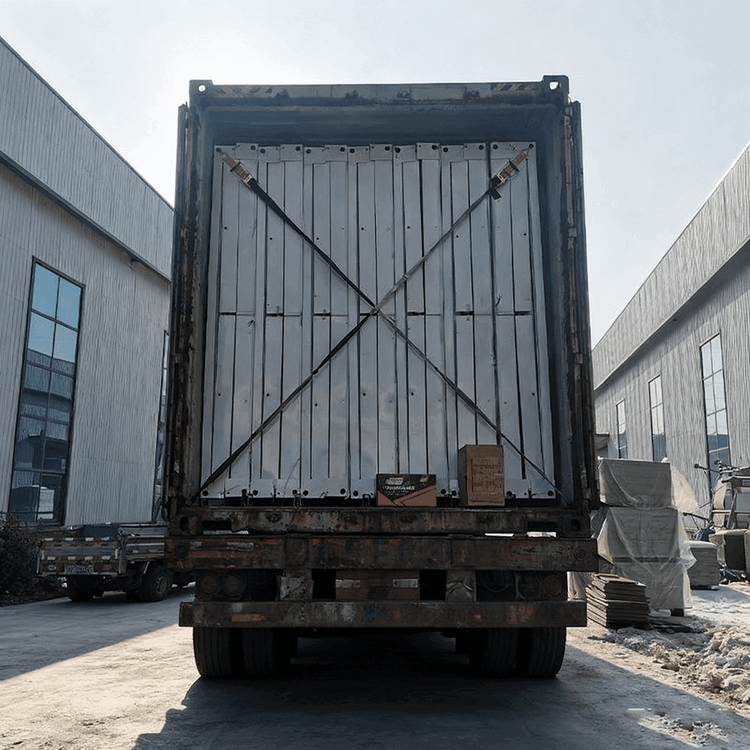
The operator provides a full-chain service covering 'investment, construction, management, and operation,' reducing construction costs and promoting industrial development. Users can check the locations of nearby restrooms, navigate routes, and view real-time occupancy levels via mobile apps or mini-programs, enhancing convenience. The modular design follows high-speed rail standards, with standardized components supporting factory prefabrication and rapid on-site assembly without civil engineering, shortening delivery cycles. Additionally, the restrooms support unmanned intelligent management, equipped with automatic cleaning and disinfection functions to minimize manual intervention.
Market Landscape and Operational Needs
Demand for smart mobile toilets in Zhejiang Province continues to grow, with a projected 12% year-on-year increase by 2025. Purchasers prioritize suppliers' product durability, delivery timelines, local service capabilities, customization levels, and qualification certifications. For example, Hangzhou Tongchuang Transportation Facilities Co., Ltd. covers a full range of needs through group operations, offering localized delivery and design support to meet diverse scenario requirements. Operations must incorporate market feedback to optimize features, such as adding barrier-free facilities and baby-changing stations, to adapt to public spaces, tourist attractions, and other varied settings.
Challenges and Future Directions
Despite technological maturity, operations must address equipment maintenance costs and network coverage in remote areas. Future exploration could include solar power supply, AI predictive maintenance, and other technologies to further reduce energy consumption and operational pressure while expanding data value, such as optimizing urban restroom layouts through foot traffic analysis.